Buried, numbered, waiting to be named: Nepal’s grim DNA search after the floods
NUWAKOT, Oct 3 — Clutching a photograph of his missing son, Rajesh Ram is pinning his hopes on DNA testing —...
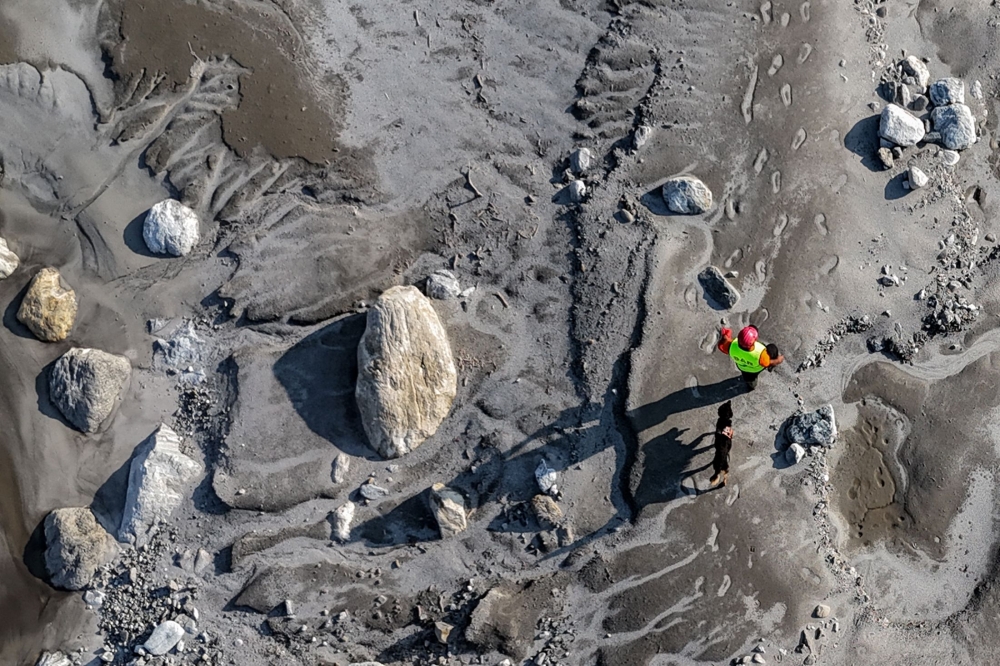
NUWAKOT, Oct 3 - Rajesh Ram clutches a photograph of his son, Suroj Kumar, while waiting for answers about his whereabouts. The 53-year-old mechanic is among thousands desperately seeking relatives lost in Nepal's recent floods. The scale of the disaster, triggered by a glacial collapse on August 26, has overwhelmed Nepal's identification efforts.
Nepal has recovered 1,454 bodies, but only 112 have been identified and returned to families. Over 5,285 people remain missing, including hundreds of foreigners. In China, the death toll stands at 43, with 519 people yet to be found, raising the combined toll to nearly 1,500 dead and 5,800 missing.
At Nepal's forensic labs in Kathmandu, experts are struggling to process thousands of DNA samples. Mukul Pradhan, the chief scientific officer at the National Forensic Science Laboratory, explains that his team typically handles 1,000-1,500 samples per year. They are now processing a much larger volume, with 3,685 samples undergoing DNA testing. Some samples come from teeth or bones, which take longer to analyze. Thousands of unidentifiable remains have been buried, numbered and tagged for future matches.
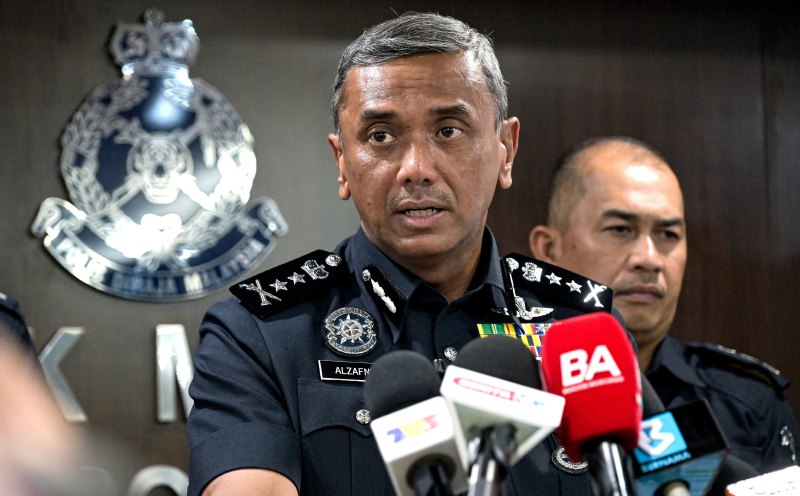
Nepali police spokesperson Abi Narayan Kafle acknowledges the immense pain families are experiencing. The difficulty in identifying bodies is compounded by those carried far downstream by floodwaters. Chief of Biology section Nirajan Thapa notes that at an earthquake or accident site, bodies are typically recovered in a specific area, simplifying the identification process. However, the vast scope of this disaster has made the task much more complex.
Thapa emphasizes that DNA alone cannot confirm an identity without a reference sample from a relative. Authorities must extract DNA profiles from both unidentified remains and the relatives of the missing before establishing matches. Several countries, including India, China, South Korea, the United States, and Singapore, have sent support teams to assist in the identification process.
While these efforts may expedite the matching process, families must remain in a state of uncertainty until results arrive. Some have even held symbolic cremation funerals for their missing loved ones. Rajesh Ram hopes to find remains of his son, but the painful wait continues.
Written by urgent.news from Malay Mail's reporting — not their text. Machine-written — may contain errors; check the original before relying on it.