Brazil’s Parliamentary Amendments: Understanding How the Battle Over the Federal Budget Affects Brazilian Democracy and Favelas
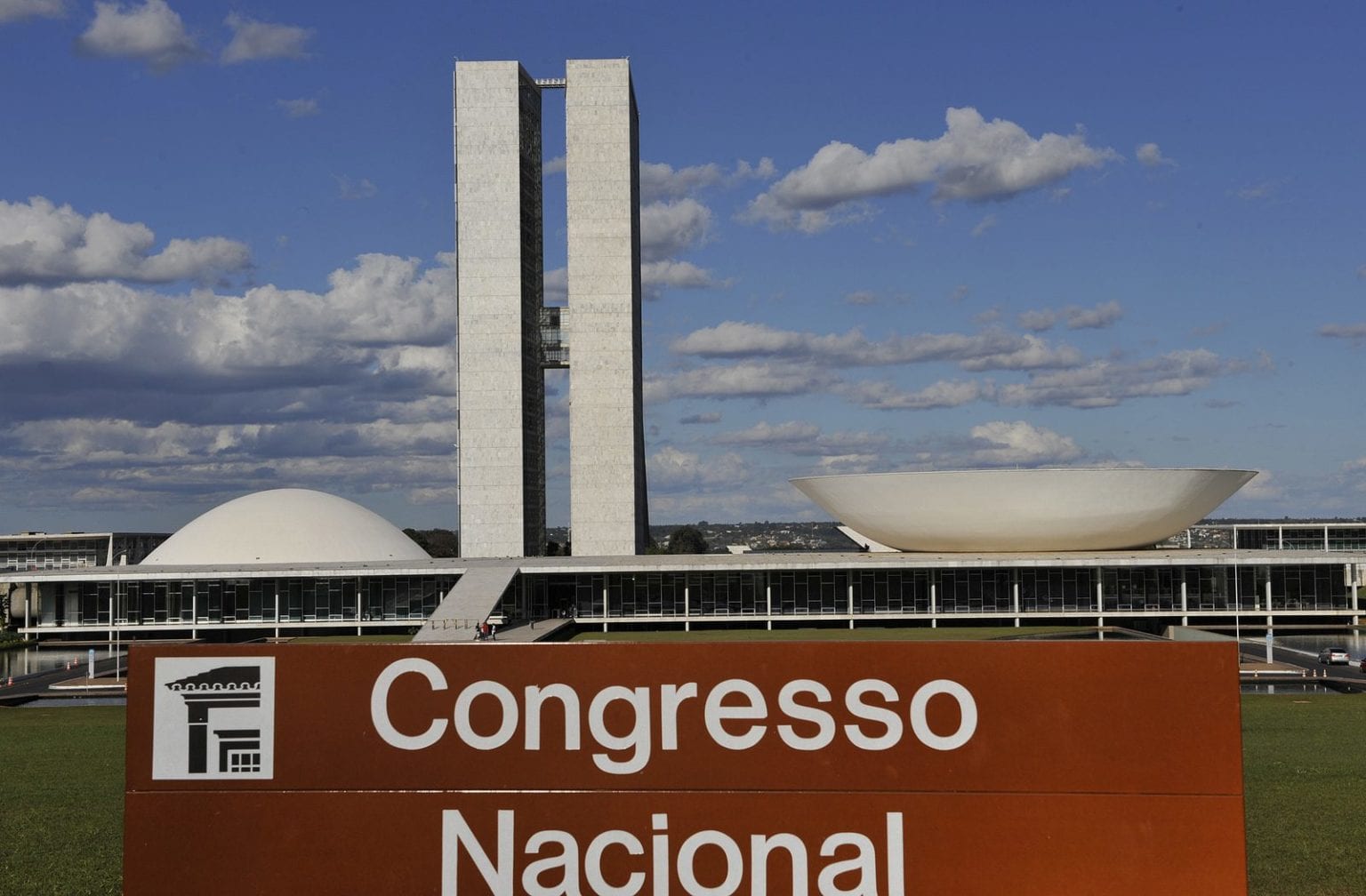
National Congress building in Brasília. The dome on the left, facing downward, is the Federal Senate, while the dome on the right, facing upward, is the Chamber of Deputies. Photo: CNBB Clique aqui para Português [...]
Brazil’s parliamentary amendments have been reshaping the balance of power between the National Congress and the Executive Branch, particularly in the allocation of the federal budget. In recent years, billions of reais have been directly controlled by deputies and senators, leading to disputes over transparency, traceability, and misappropriation of funds.
Parliamentary amendments are at the heart of these disputes. In Brazil, as in other presidential democracies, the Executive Branch sets and executes the budget. The president and his allies draft a budget proposal annually and submit it to Congress for debate and amendments. The approved proposal is then executed by the Executive through its ministries.
However, over the past decade, this process has eroded, giving rise to parliamentary amendments. Under the "mandatory budget," approved in 2015, federal deputies and senators can individually decide where part of the public money should go, executing amendments proposed by lawmakers directly.
The increase in parliamentary amendments has been exponential, projected to grow three times faster than the discretionary budget by 2030. This shift has seen Congress concentrating more power in the hands of individual lawmakers, rather than the institution of Congress itself. The Executive's discretionary power and bargaining capacity with lawmakers have diminished, putting democracy at risk and facilitating corruption.
Despite constitutional rulings against certain practices, such as the "secret budget," lawmakers have found new ways to continue them through committee amendments, with a 6,687% increase in these processes. As the share of expenditures tied to parliamentary amendments grows, the Executive's power to set priorities for public policies and social programs diminishes, affecting the transparency and accountability of the budget.
Written by urgent.news from RioOnWatch's reporting — not their text. Machine-written — may contain errors; check the original before relying on it.