Awe in the Age of AI
In the rapidly evolving world of artificial intelligence, it's easy to get caught up in the awe-inspiring achievements of machines. Just last year, OpenAI claimed to have solved a Millennium Prize Problem, while Google DeepMind unveiled AlphaGenome Atlas, which predicts the biological effects of all 9 billion possible single-letter changes in the human genome.
Since the launch of ChatGPT in 2022, AI has accomplished countless milestones. However, amidst these technological marvels, it's crucial not to overlook the irreplaceable value of human-generated awe.
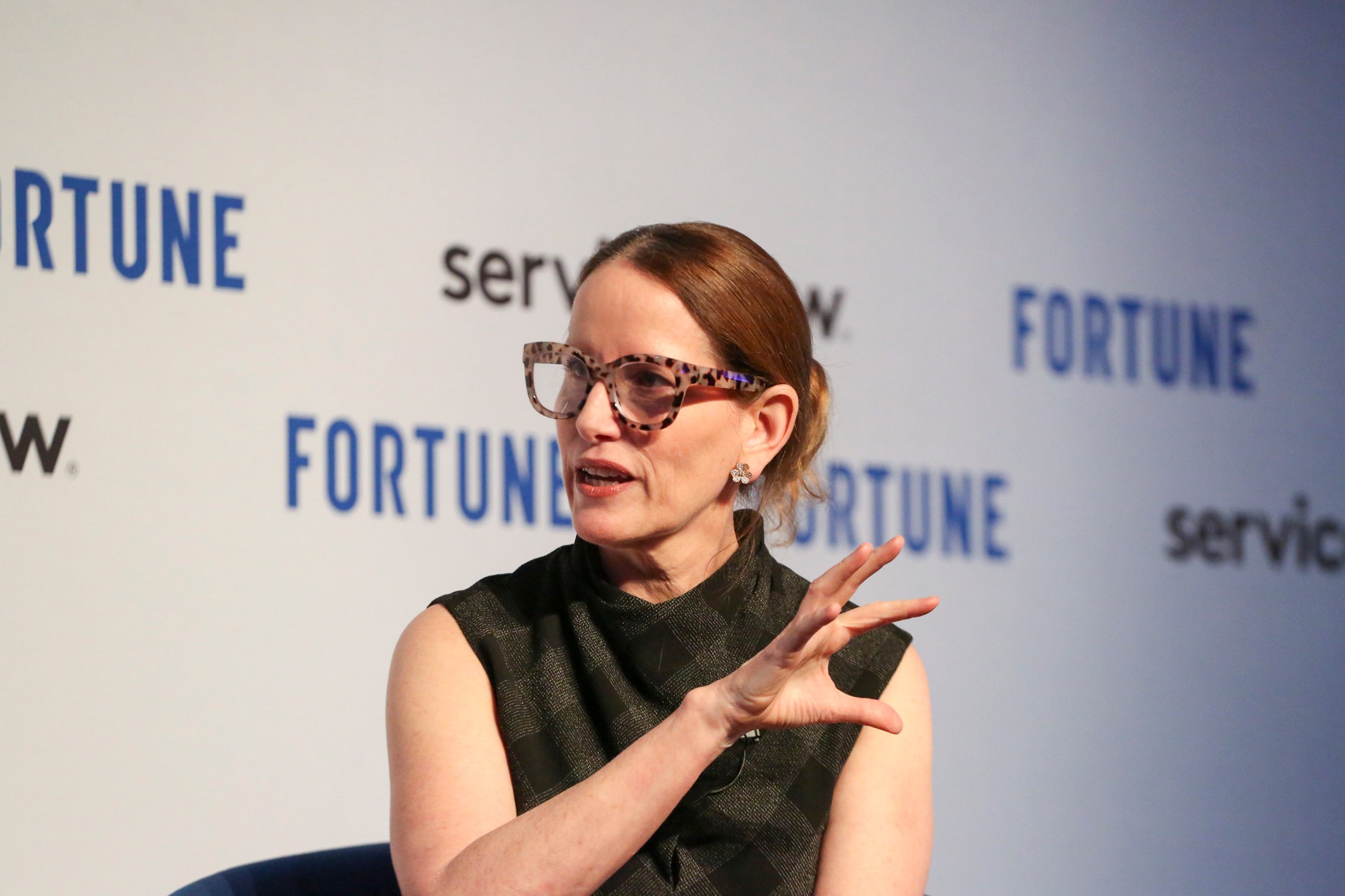
Psychologist Dacher Keltner from UC Berkeley explores the impact of awe on physical and mental health. He defines awe as "the feeling of being in the presence of something vast that transcends your current understanding of the world." In a study examining 2,600 awe-inducing stories across 26 countries, Keltner found that humans, rather than nature or spirituality, most frequently sparked feelings of awe.
This "moral beauty," derived from witnessing others' acts of kindness, courage, strength, or selflessness, accounted for 95% of awe-inspiring moments. Keltner emphasizes that moral beauty is one of eight "wonders of life" that are readily available sources of awe in our everyday lives.
The benefits of awe extend beyond the individual, fostering a sense of connection to a larger community and emphasizing our interdependence. However, the rise of AI may disrupt our sense of authentic community. Historically, awe-inspiring technological advancements like automated factories and moon landing have contributed to a sense of detachment from others.
As AI continues to advance, it's important to remember the profound awe to be found in both nature and human acts of kindness, courage, and selflessness. Keltner reminds us that experiencing awe doesn't require money or resources, making it accessible to everyone. So, while marveling at the capabilities of AI, let's not forget the everyday sources of awe that are deeply human and readily available to us all.
Written by urgent.news from Time's reporting — not their text. Machine-written — may contain errors; check the original before relying on it.