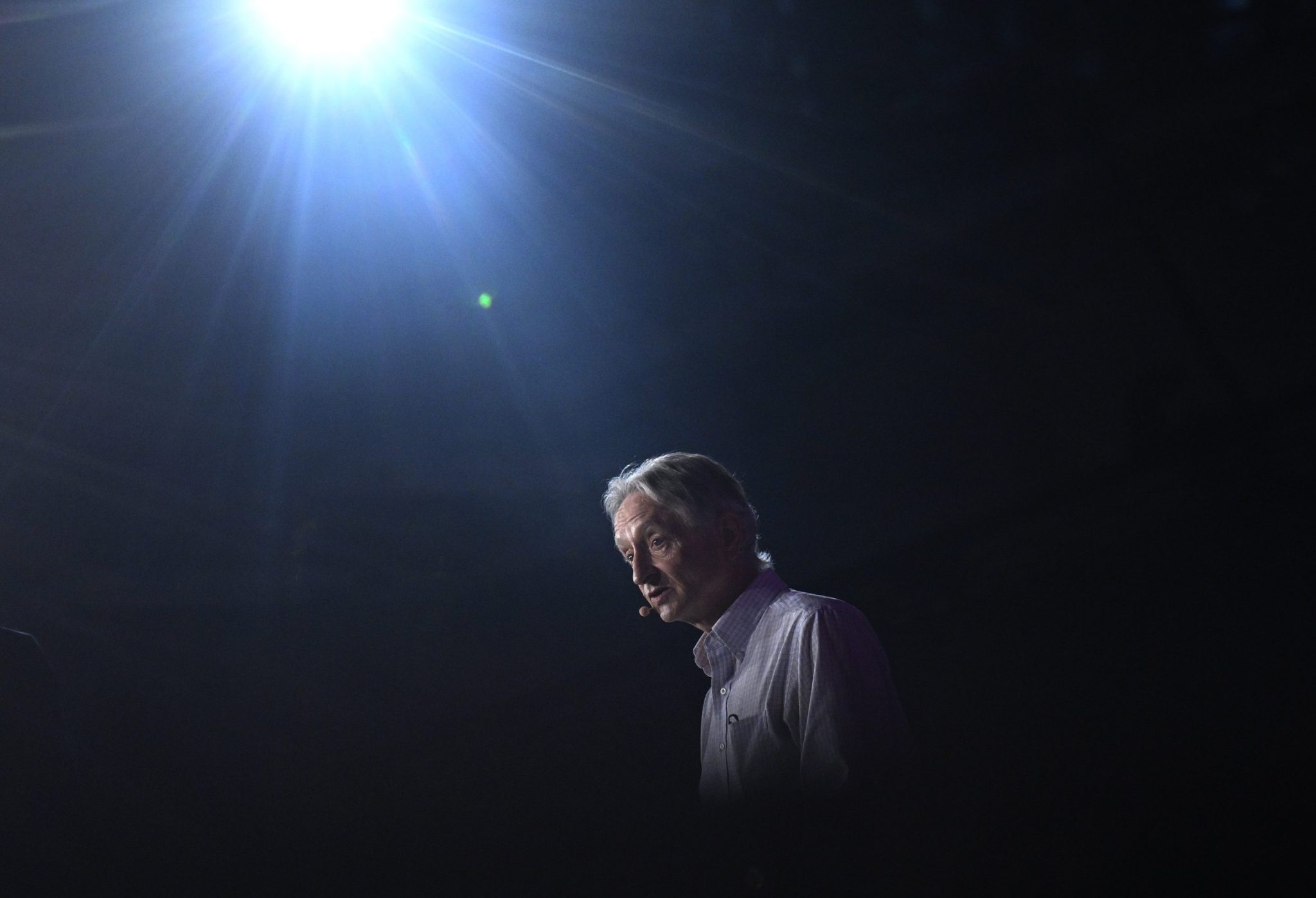
Anthropic vs. the pope
This story appeared in Today, Explained, a daily newsletter that helps you understand the most compelling news and stories of the day. Hi readers, happy Friday! It’s been a big week for the AI debate — not the one about whether it will cause the robot apocalypse, though there’s still plenty to worry about there, but […]

This week has seen a heated debate within the AI community, not about the potential for robot apocalypse, but rather the question of whether artificial intelligence can be conscious. Anthropic, the AI company behind the large language model Claude, has been actively exploring this subject, engaging with religious thinkers from various faith traditions in order to establish a moral framework for the LLM.
The company's approach has raised concerns among some religious thinkers, who have observed that the Anthropic team interacts with Claude as if it were a conscious entity, even granting it a degree of "moral status."
On the opposing side of this debate is Pope Leo XIV, who adamantly rejects the notion of AI consciousness. In his recent encyclical "Magnifica Humanitas," the Pope argued that AI will never be able to replace humanity and noted that algorithms lack the "spark of humanity." He emphasized the ontological differences between humans and machines, stating that any attempt to generate art through statistical calculations based on images created by others cannot replicate the spark of humanity.
Written by urgent.news from Vox's reporting — not their text. Machine-written — may contain errors; check the original before relying on it.
Also reported by 1 other outlet
- Does AI have a soul? Pope Leo and Anthropic clash. marketwatch.com