Animals may have evolved 200 million years earlier than previously thought, new study suggests
After using a technique called molecular clock analysis, researchers have proposed that the origin of animals could be 200 million years earlier than thought.
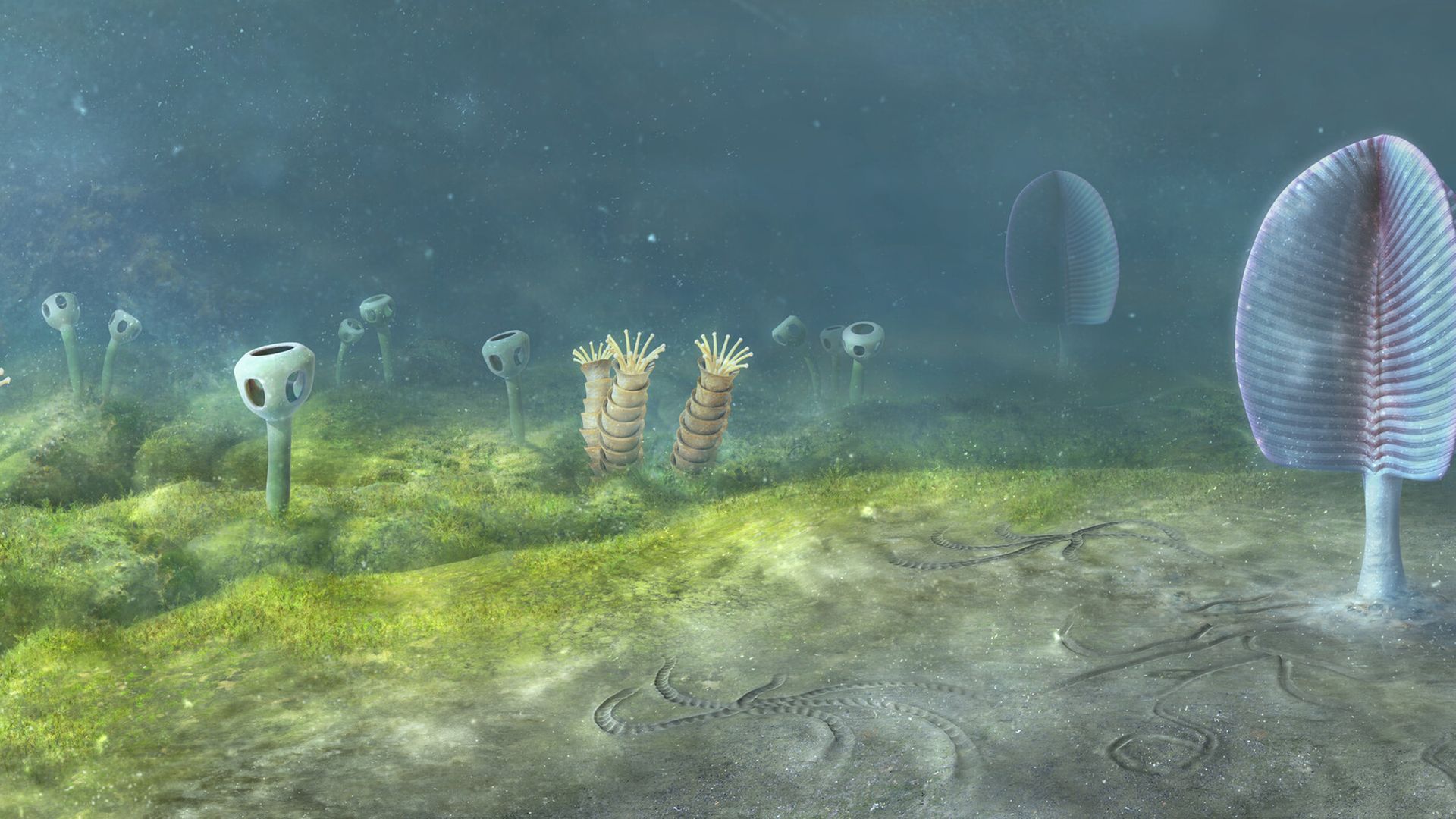
A new study suggests that the first animals may have emerged on Earth around 200 million years earlier than previously thought, based on fossil evidence. Prior to this research, the earliest known animal fossils dated to about 574 million years ago, during the Ediacaran period. The study, published in Science Advances, argues that relying solely on the limited fossil record could be misleading, as the absence of animal fossils in some well-preserved ancient rocks does not necessarily mean those animals did not exist.
The researchers propose that animal life may have originated between 800 million and 700 million years ago, placing their emergence within the Neoproterozoic era, which spanned from 1 billion to 539 million years ago. This period was marked by some of Earth's most severe ice ages. The study authors emphasize that the lack of undisputed animal fossils from the Neoproterozoic era does not rule out the possibility of animal life during that time.
Written by urgent.news from Live Science's reporting — not their text. Machine-written — may contain errors; check the original before relying on it.