AI content ‘lacks the spark’ of human-made art, Pope Leo says
In May, Pope Leo wrote his first encyclical titled 'Magnifica Humanitas' (Magnificent Humanity), calling for robust regulation of artificial intelligence.
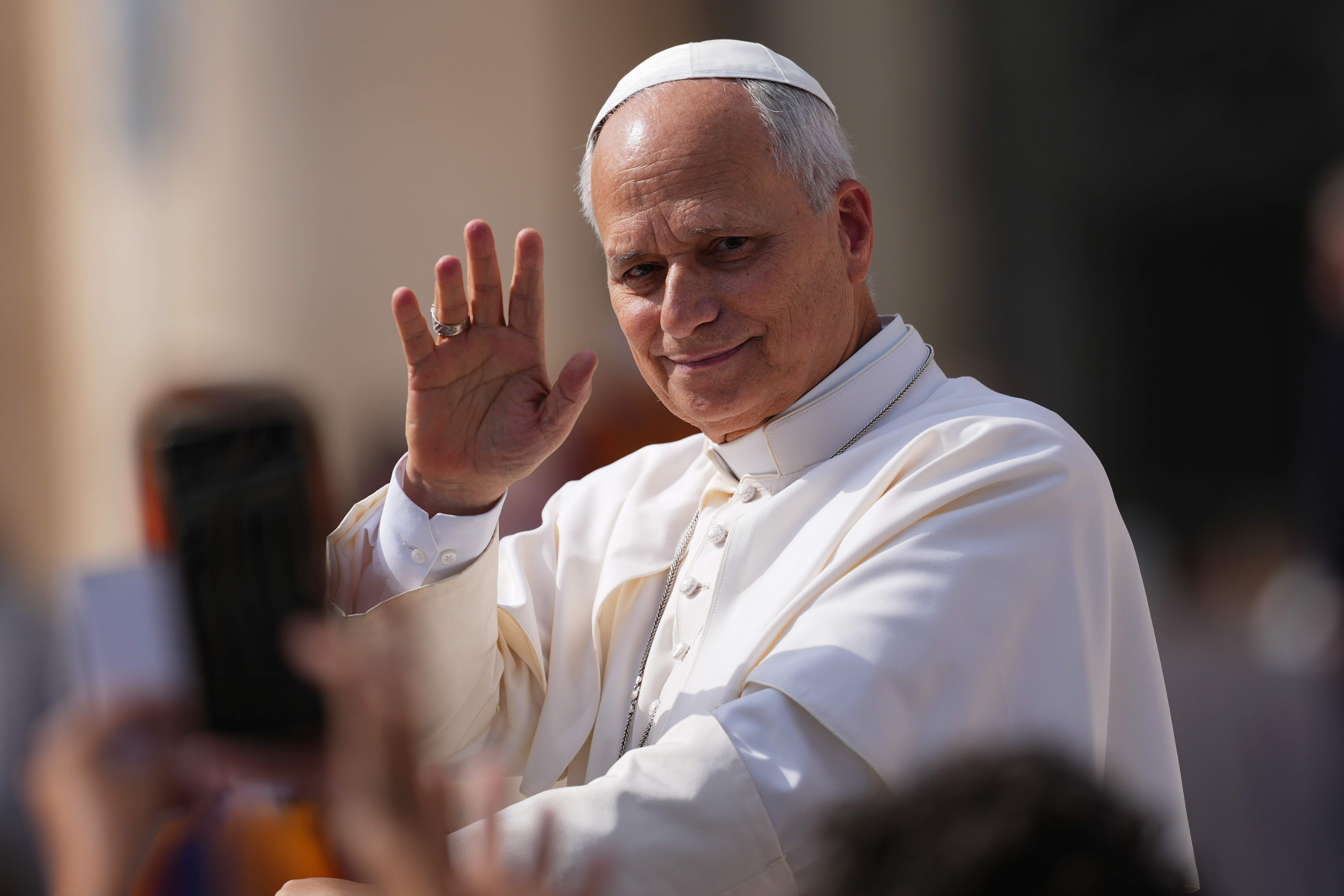
Pope Leo XIV has emphasized the need to differentiate between art created by humans and works produced by artificial intelligence, warning that it has become increasingly urgent in the modern era. In a recent social media post, the Pope stated that "there is an ontological difference, even before an aesthetic one, between art and what a machine can generate through statistical calculation based on millions of images created by others."
The Catholic Church is determined to strengthen its relationship with artists and cultural institutions to preserve human identity, according to Pope Leo. In May, he published his first encyclical, "Magnifica Humanitas" (Magnificent Humanity), which called for strict regulations on artificial intelligence and urged developers to prioritize the common good over profit.
In his manifesto, Pope Leo criticized the "culture of power" that drives the AI race, particularly in the development of advanced remote warfare technologies. He strongly opposed the idea of entrusting irreversible, lethal decisions to AI systems, setting up a potential conflict with the Trump administration, which has been actively opposing AI regulation.
Addressing a special Vatican presentation of the encyclical, Pope Leo emphasized the importance of disarming artificial intelligence and freeing it from systems that turn it into an instrument of domination, exclusion, and death.
Written by urgent.news from Global News's reporting — not their text. Machine-written — may contain errors; check the original before relying on it.
This story
This is one outlet's version. Read the fullest account.