A Mysterious Literary Pattern
Robert Kolker’s The Vanishing Family joins a growing bookshelf of new works focusing on dementia.
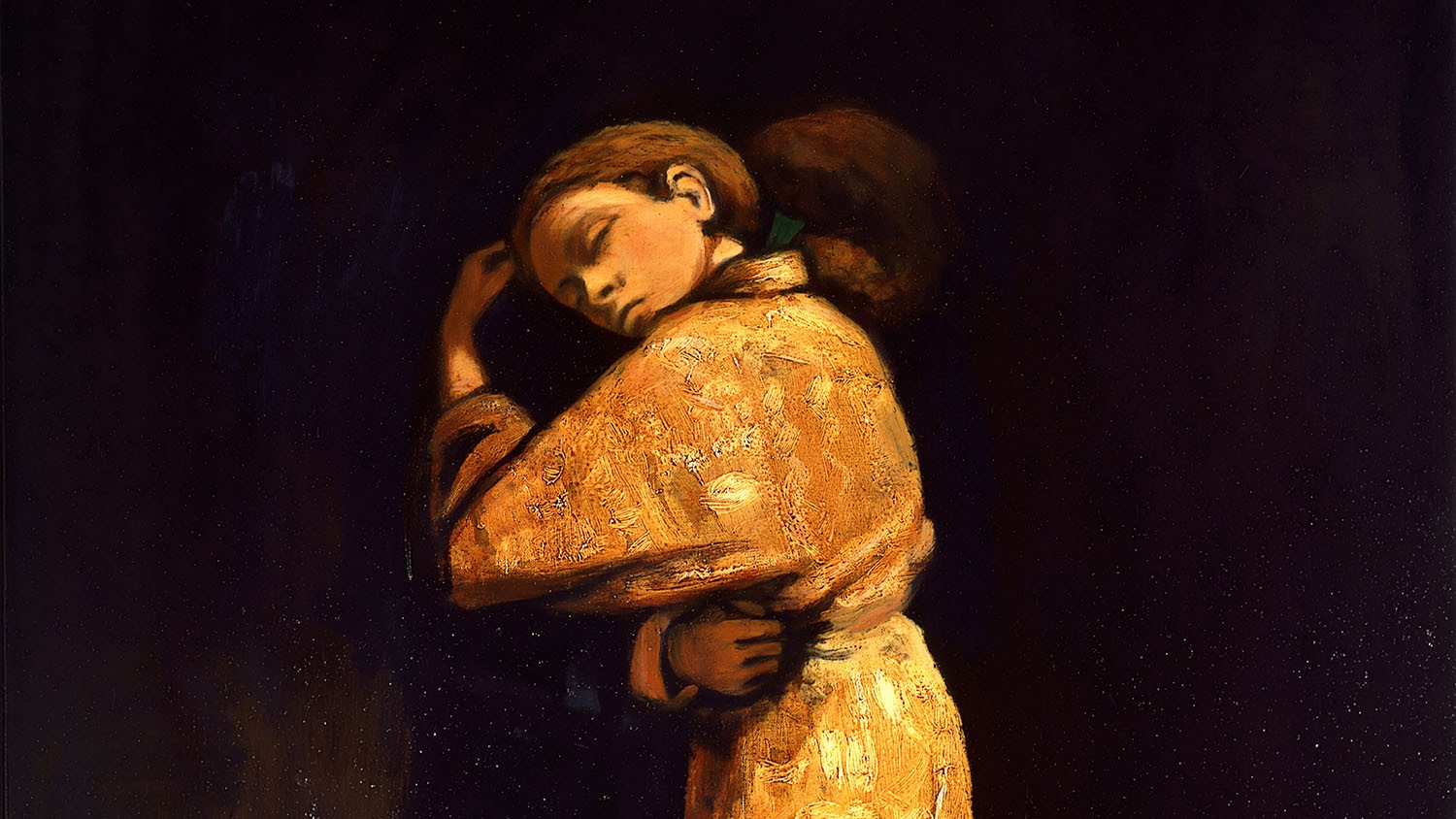
This week in The Atlantic, Julia M. Klein explored Robert Kolker's book "The Vanishing Family," which delves into the growing trend of literature focused on dementia. Klein was intrigued by Kolker's emphasis on the "slipperiness of identity" and the "malleability of the self," pondering whether one remains the same person without their usual behaviors or formative memories.
As family members succumb to the inherited form of dementia in Kolker's narrative, the focus shifts to their healthy caregivers, who experience ongoing loss as they witness a living death.
The mysteries surrounding dementia provide fertile ground for writers, as Marion Renault observed in a previous Atlantic essay about "Valley of Forgetting" by Jennie Erin Smith. Dementia's largely untreatable and always terminal nature gives it a "grim certainty" that lends itself well to figurative language. Both Kolker and Smith employed this technique effectively, painting a vivid picture of the condition's impact on both patients and their loved ones.
In fiction, Alzheimer's disease has become a more common subject. Kenan Orhan's surrealist novel "The Renovation" centers on a protagonist's father's rapidly progressing Alzheimer's, exploring the hard realities of caregiving while also examining the metaphorical aspects of the experience. Switzy by Emma Cline offers a unique perspective, presenting Alzheimer's through the eyes of the sufferer, David.
Cline's stark novel uses a wandering, dreamlike style to illustrate the tension between the unknowability of dementia and its inevitable conclusion. As David navigates his mental absence, he grapples with the loss of agency and the desperate need to hold onto the few choices remaining.
Written by urgent.news from The Atlantic's reporting — not their text. Machine-written — may contain errors; check the original before relying on it.