'A kind of Rosetta Stone': AI decodes 217-year-old secret letter ordered by Napoleon
GPT-6 Astra has been used to solve a centuries-old cipher used to convey strategic military information between Napoleon's troops.
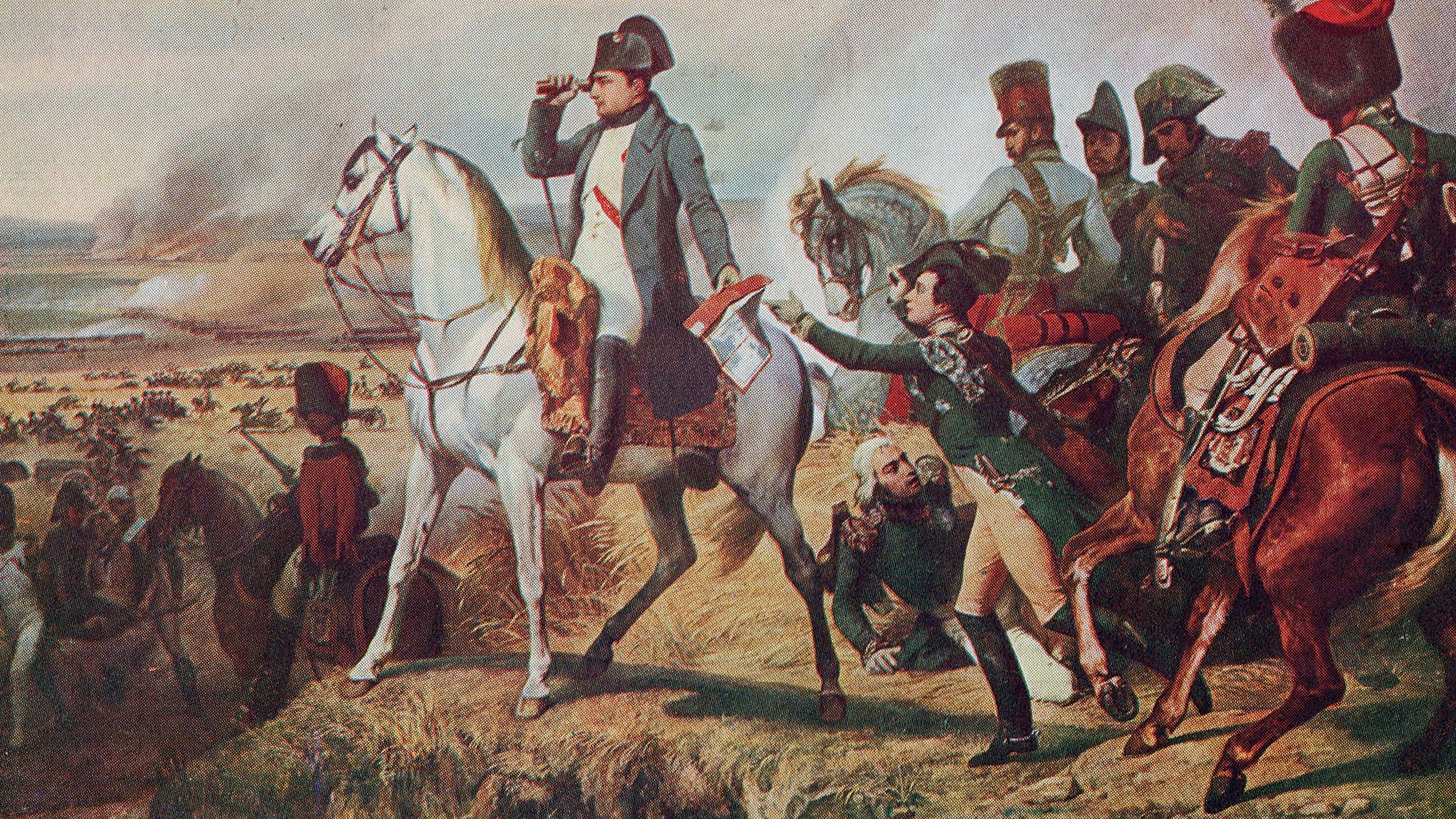
An engineer, Carter Church, has used AI to decode a previously unsolved cipher written by Napoleon Bonaparte to send secret messages to his generals. This breakthrough has allowed historians to read a 217-year-old letter for the first time. The letter, written in 1809, was ordered by Napoleon and sent by his stepson Eugène, the viceroy of Italy, to Marshal Auguste de Marmont.
The purpose of the letter was to inform Marmont about the positions of various French and allied armies across the continent, while also avoiding revealing military secrets to France's enemies if intercepted. The cipher used in the letter was homophonic, meaning common letters had multiple interchangeable symbols. Despite the challenges of verifying the accuracy of the decoded message, Church successfully employed OpenAI's new model, GPT-6 Astra, to break the code within six hours.
GPT-6 Astra not only transcribed the text but also identified a partial table containing the meanings of 33 symbols, which helped decode the remaining message. Historians believe the translation of the letter is accurate, as it aligns with details provided in another letter written by Napoleon. While the newly-translated message does not reveal groundbreaking information, it does provide insight into Napoleon's mindset and military preparations for the campaign in Austria in 1809.
Written by urgent.news from Live Science's reporting — not their text. Machine-written — may contain errors; check the original before relying on it.