41 Ukrainians Return From Russian Occupation via Volyn, Including 9 children
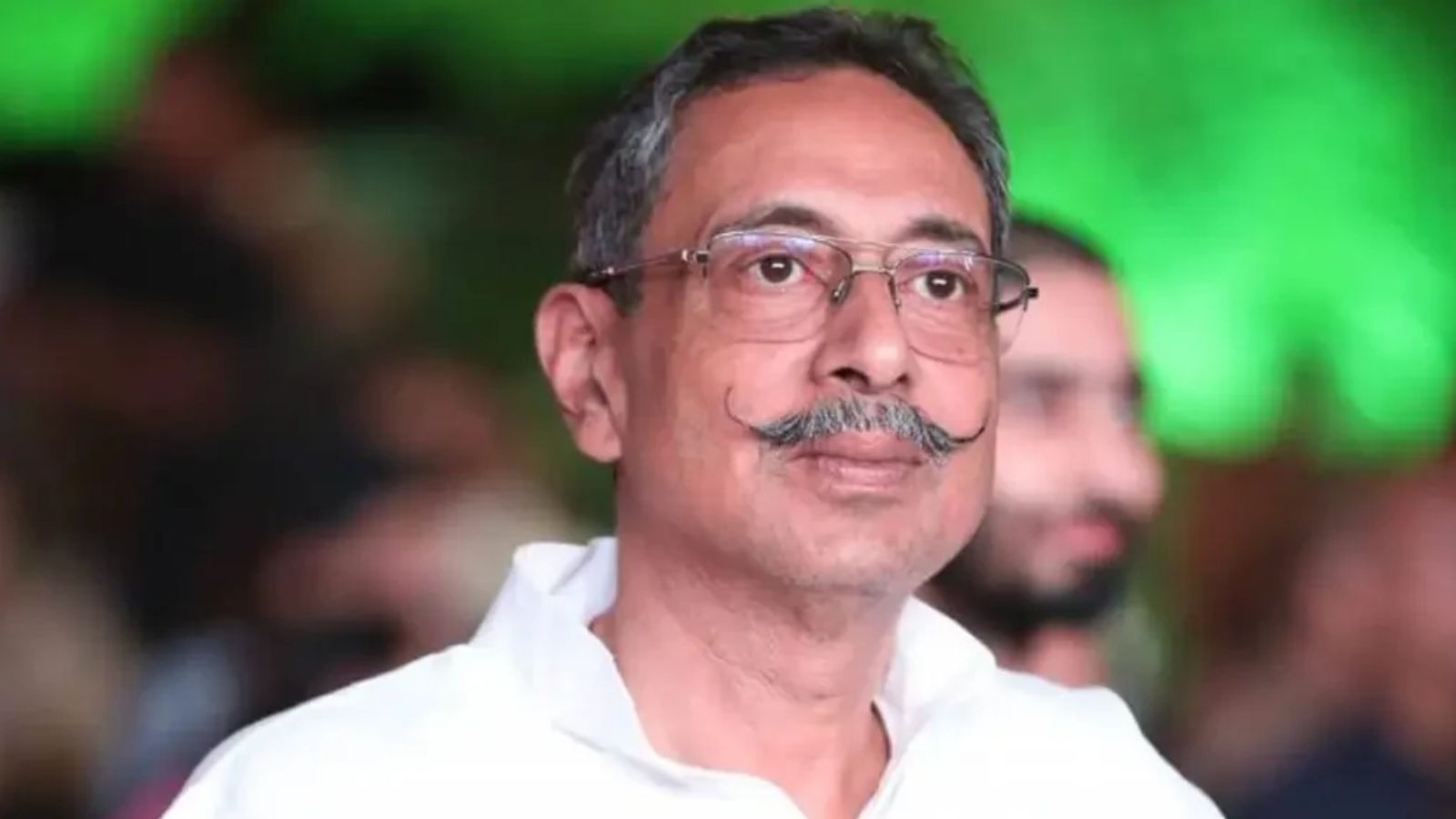
Parliament Commissioner for Human Rights Dmytro Lubinets said on Friday, Oct. 2 that 41 Ukrainians – including four children and five teenagers – returned from Russian occupation via Volyn in August and September. He warned that civilians in occupied Oleshky in the Kherson region still face extreme difficulty leaving, essentially describing the city as a “death trap.”

Forty-one Ukrainian citizens, among them four children and five teenagers, have successfully returned from Russian-occupied territories through the Mokrany-Domanove checkpoint in the Volyn region. The crossings, which took place in August and September, were organized with assistance from partner organizations and the office of Parliament Commissioner for Human Rights, Dmytro Lubinets.
Lubinets emphasized the significance of each individual's return, stating that it marked the end of months or years spent under occupation, experiencing fear, pressure, persecution, and constant uncertainty. He highlighted the plight of the town of Oleshky in the Kherson region, describing it as a "death trap" and a location where a man-made humanitarian catastrophe is taking place.
To reach safety, many Ukrainians must navigate a dangerous route that often involves crossing into Russia before traveling through third countries. One family's story exemplifies this struggle, as they were able to leave after their father was released from captivity. Their eldest son had also been held captive since April 17, 2022, while the mother and her younger son faced constant monitoring by occupying forces, eventually being detained under false pretenses of receiving medical care.
A young medic was also rescued moments before being forced into Russia's military. Lubinets noted that occupation entails the loss of freedom, documents, homes, jobs, connections to loved ones, and a sense of security. The office, in collaboration with Caritas Ukraine, supports returnees in regaining their documents, securing temporary housing, receiving financial assistance, and obtaining psychological and social aid, as well as travel tickets.
They have assisted 1,140 Ukrainian nationals during August and September, including those evacuated through the ombudsman's office. The office continues to receive daily appeals from individuals seeking to leave the occupied territories. Lubinets' team assesses each case, seeking potential routes and collaborating with international partners and third countries.
The ombudsman's office has warned of the dire situation in Oleshky and adjacent settlements, where residents endure constant danger, facing limited access to food, water, medicine, medical care, and communications, and finding it extremely difficult to leave safely. In July, Lubinets accused Russian authorities of not adhering to a previously agreed humanitarian evacuation plan for Oleshky, with the International Committee of the Red Cross (ICRC) prepared to participate in the evacuation under its mandate, while Ukrainian security and defense forces arranged for a ceasefire during the proposed operation.
At the time, his office had received 176 requests regarding the dire situation in Oleshky, and verified at least 358 individuals in urgent need of assistance to leave, with more than 6,000 people, including roughly 200 children, potentially still trapped in the town and surrounding area due to Russian restrictions on information.
Ukrainian officials reported on September 28 that the remaining residents have resorted to consuming dogs and weeds as Russian forces prevent their departure and block supplies from entering the city. Ukraine intends to use drones to drop food, as ground convoys cannot safely enter the city, though these deliveries cannot replace the necessary humanitarian access.
On September 30, Ukraine convened an urgent meeting of the Organization for Security and Cooperation in Europe (OSCE) to address the worsening conditions in Oleshky. Foreign Minister Andrii Sybiha warned that the Kremlin is preparing to release numerous videos featuring Oleshky residents, compelling them to falsely claim they are "well-fed and happy."
The Kremlin continues to deny targeting civilians and attempts to deflect blame for the crisis in Oleshky onto Kyiv.
Written by urgent.news from Kyiv Post's reporting — not their text. Machine-written — may contain errors; check the original before relying on it.