(2nd LD) S. Korea launches scaled-down prosecution, new investigation agency in major reform
SEOUL, Oct. 2 (Yonhap) -- South Korea launched a prosecution service only tasked...
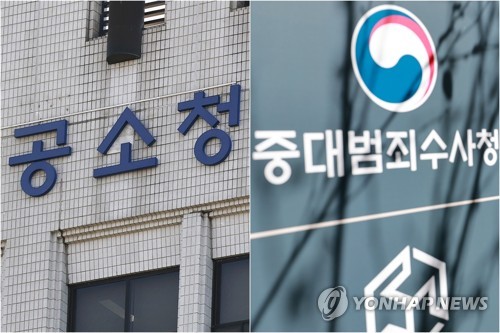
South Korea has introduced a new prosecution system aimed at indicting criminals, following a major reform of the criminal justice system. The Serious Crimes Investigation Agency (SCIA) and a restructured Prosecution Service were officially launched, taking over from the existing prosecutors' office after 78 years. This change comes as part of a larger reform aimed at limiting the prosecutor's authority to conduct both investigations and indictments.
Prosecutors will now only be responsible for indictments and maintaining indictments against suspects, while police will take on more responsibility for criminal investigations. The reform has faced criticism, with concerns over the police's excessive authority and reduced checks on their investigations. The SCIA will focus on investigating major crimes in seven categories, including corruption, economic crimes, and drug offenses.
Interior Minister Yun Ho-jung emphasized the need for close cooperation between the agencies, with each agency responsible for fulfilling its role and establishing a thorough cooperation system to avoid gaps in cases. However, the reform has faced pushback amid concerns about the police having more authority and prosecutors losing the ability to conduct supplementary investigations.
The two agencies were launched without chiefs, raising concerns over possible decision-making gaps. President Lee Jae Myung requested a parliamentary confirmation hearing for Kim Ji-yong, the nominee for the inaugural SCIA chief, who has faced opposition from some ruling Democratic Party hardliners. Kim vowed to uphold the spirit of prosecution reform if appointed.
The SCIA currently has about 1,900 employees, only 66 percent of its authorized staffing level, and received a dozen criminal complaints on its first day. One complaint accuses Samsung Electronics Co. and SK hynix Inc. executives and union leaders of breaching trust over pay deals and benefiting an enemy over a mine blast inside the Demilitarized Zone (DMZ).
Written by urgent.news from Yonhap News's reporting — not their text. Machine-written — may contain errors; check the original before relying on it.
This story
This is one outlet's version. Read the fullest account.