Workers are ‘calendar stalking’ their bosses for more face time
Amid growing pressure to return to the office, hybrid workers are developing sophisticated ways to optimize (and minimize) their time at work. First came “ coffee badging ”—where a hybrid or remote employee goes to the office just long enough to swipe his or her ID badge and grab a cup of coffee—to which some companies responded by tracking how long their workers stayed in the office. Now, the…
Amid growing pressure to return to the office, hybrid workers are devising clever strategies to optimize and minimize their time at work. Initially, the trend was "coffee badging," where employees would visit the office for just enough time to swipe their ID badge and grab a cup of coffee. Companies later responded to this by monitoring how long their staff spent in the office.
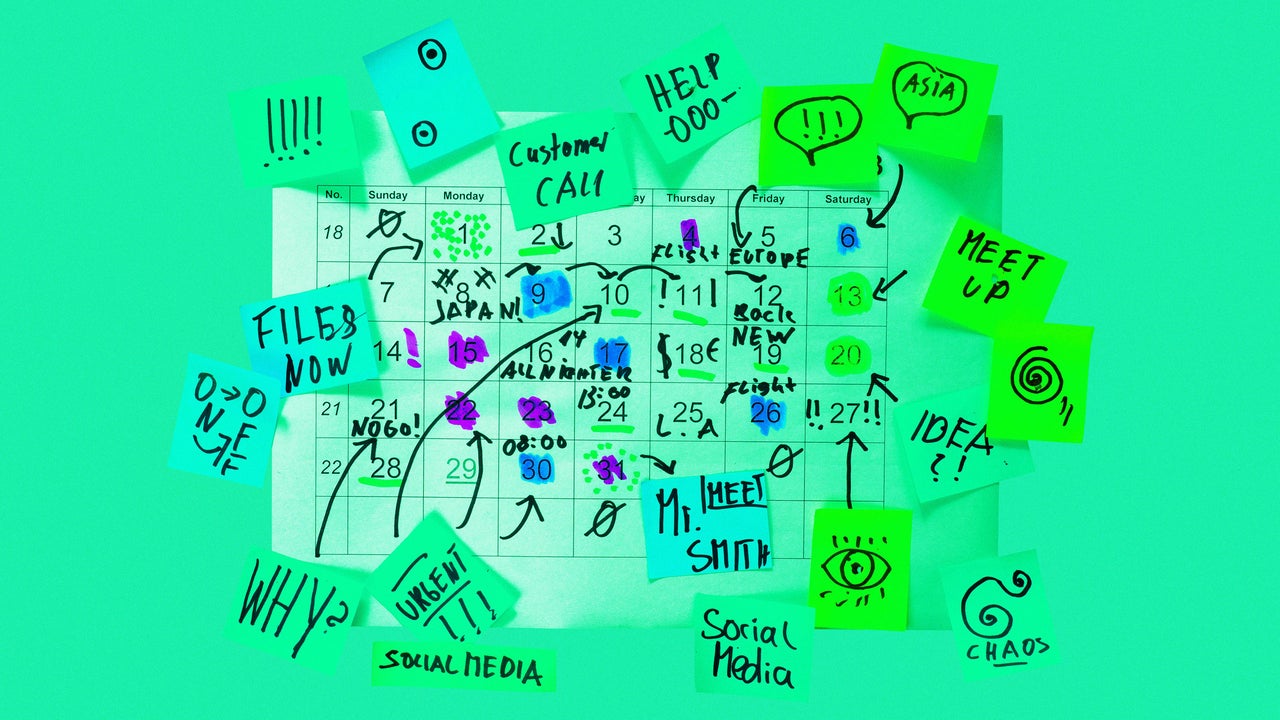
The latest development in this area is "calendar stalking," which involves tracking a boss's schedule to strategically schedule office days. According to USA Today, hybrid workers are obsessively monitoring their managers' Outlook calendars to increase face-to-face time. This practice, known as "billboarding," has gained popularity due to Return-to-Office (RTO) mandates.
A 2026 Owl Labs survey found that 48% of workers have intentionally shown up in the office to be seen by leaders or clients, with 83% of managers admitting to doing so. This trend is more prevalent among managers, with 83% participating, compared to 17% of individual contributors. The rise of these practices highlights the ongoing tension between executives and workers regarding RTO mandates.
While many executives believe requiring physical presence boosts productivity and innovation, commuting can be stressful and costly, with the average American worker spending nearly $7,000 per year on transportation. Despite this, companies have continued to push for more face time. CBRE reports that 89% of U.S. companies expect workers to be in the office at least three days a week, up from 78% in 2025.
Written by urgent.news from Fast Company's reporting — not their text. Machine-written — may contain errors; check the original before relying on it.