With a tragedy averted, the Flydubai incident has put cockpit security under new scrutiny
A core tenet of aviation security is keeping threats out of the cockpit. What happens if the danger is one of the pilots?
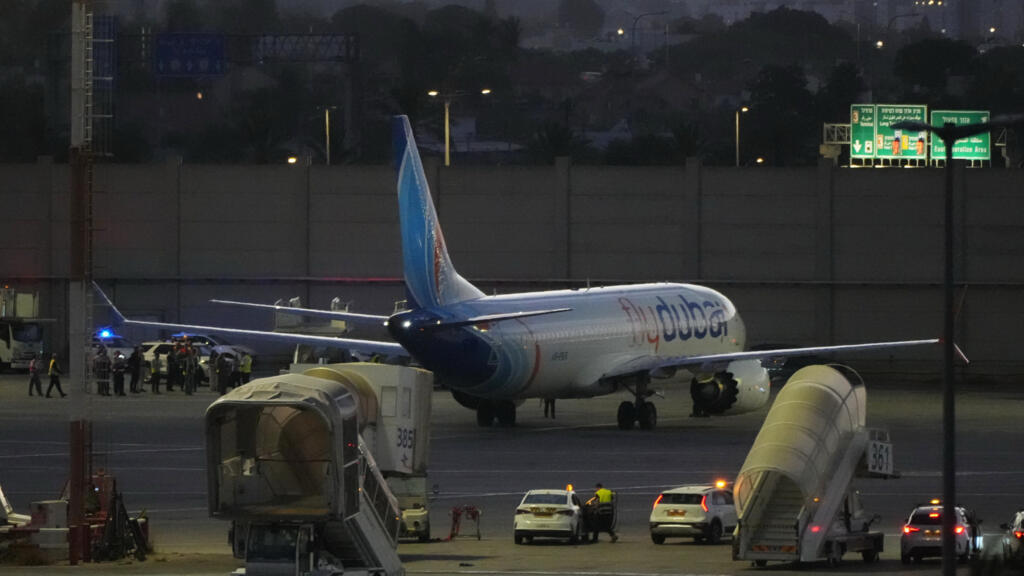
On September 30, Flydubai flight FZ1073 departed Dubai International Airport for Tel Aviv, carrying approximately 170 passengers, mostly of Israeli nationality. Two hours into the journey, the plane plummeted over 4,000 meters within a minute. After several minutes, the aircraft issued emergency "squawk" codes and indicated "unlawful interference" or hijacking.
Israeli Prime Minister Benjamin Netanyahu and passengers claim that one pilot stabbed the other and attempted to crash the plane, but swift action from the injured pilot and some passengers – including reserve Flydubai crew members – prevented a tragedy. The plane landed safely in Tabuk, Saudi Arabia. The incident has reignited discussions about cockpit security, prompting scrutiny on the effectiveness of current measures.
Flydubai confirmed an altercation but urged against speculation. A comprehensive investigation is underway.
Written by urgent.news from The Conversation AU's reporting — not their text. Machine-written — may contain errors; check the original before relying on it.