Will Israel's Arab parties be banned from the election? The legal fight explained
A fifth of Israel's voters could be left unrepresented weeks before polls open. Sarah Ben-Nun unpacks the committee's votes, the A-G's split stance, and the Supreme Court's next move. Watch now.
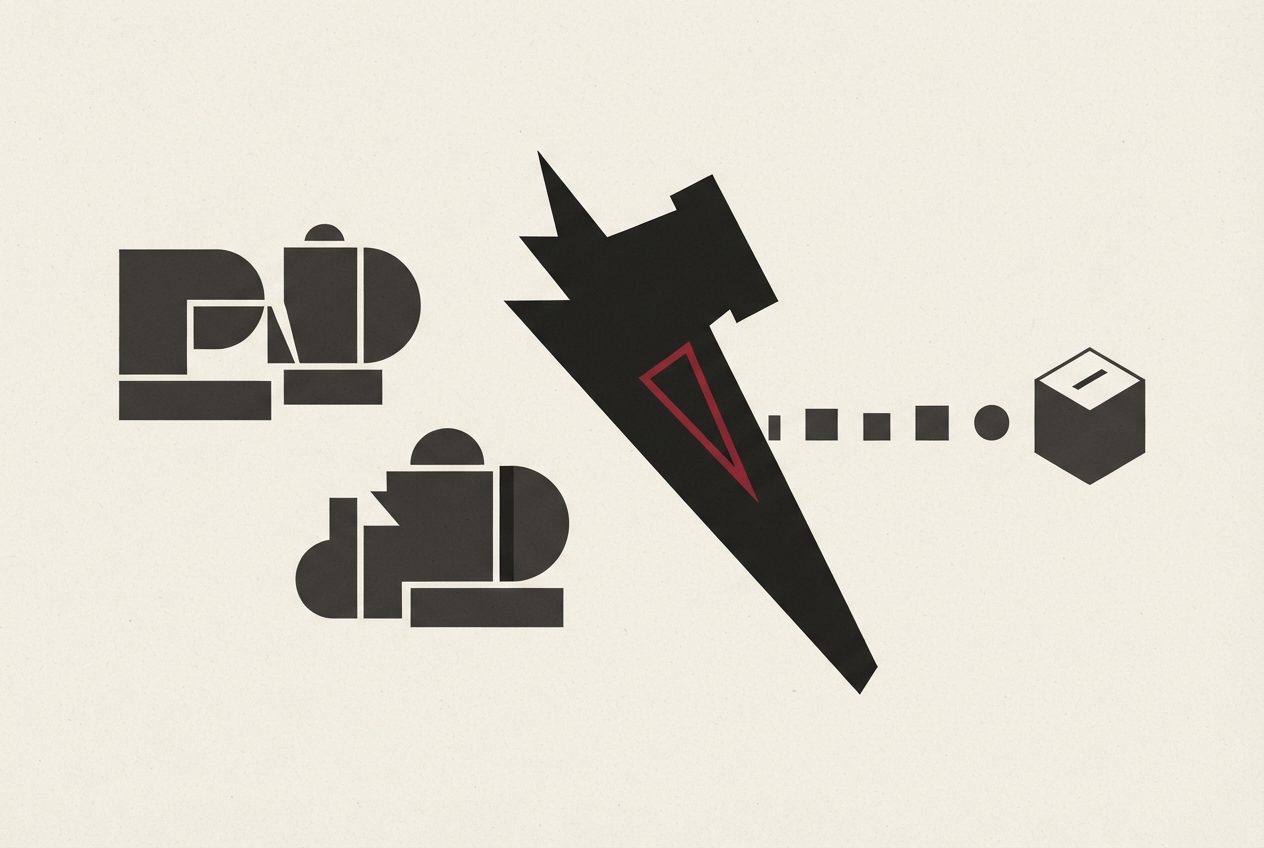
As the polls close in less than a month, the legal battle that could ban Arab parties from Israel's election is gaining prominence. On the latest episode of The Deep Dive, host Jacob Laznik interviews legal correspondent Sarah Ben-Nun to break down the recent decision by the Central Elections Committee to disqualify Ra'am, the Joint List, and Sami Abu Shehadeh, chairman of Balad, from the October 27 election. However, they rejected petitions against Religious Zionism and Otzma Yehudit.
If the court's ruling holds, nearly a fifth of Israel's population might enter the election without a party of their own. The committee's decision was based on three grounds set out in Section 7A of Basic Law: The Knesset. The "armed struggle" clause has become the focal point of the case, and the Supreme Court has historically read the law so narrowly that disqualifications are uncommon.
The crux of the matter centers around Abu Shehadeh's article published on October 8, 2023, only a day after the Hamas massacre. The Attorney General opposed disqualifying Ra'am, the Joint List, and MK Ofer Cassif, but later supported barring Abu Shehadeh, solely under the "armed struggle" clause. Committee chairman Justice Noam Sohlberg also cast a unique vote in favor of disqualifying Abu Shehadeh.
However, Abu Shehadeh's legal team questions the timing: if the article was criminal, why did the police not act on it, and why has it resurfaced nearly three years later?
The Attorney General's office also found Otzma Yehudit came close to inciting racism, raising the question of how one measures "close." The episode emphasizes the politics behind the legal mechanics, questioning if a committee of Knesset members can fairly judge their rivals and coalition partners, and whether a petition can brand a candidate in voters' minds before any court ruling. The two also discuss the potential impact of the ruling on future elections and free speech on Palestinian issues during wartime.
Written by urgent.news from Jerusalem Post's reporting — not their text. Machine-written — may contain errors; check the original before relying on it.
Also reported by 2 other outlets
- Opposition bloc's boycott of Arab parties hands Netanyahu's bloc edge, new poll shows haaretz.com
- Supreme Court to rule on disqualifying Arab Parties israelnationalnews.com