Why waste funds on spaza study when data is free, critics ask
Study is just another waste of public funds, says Township Economic Commission founder as programmes show little impact.
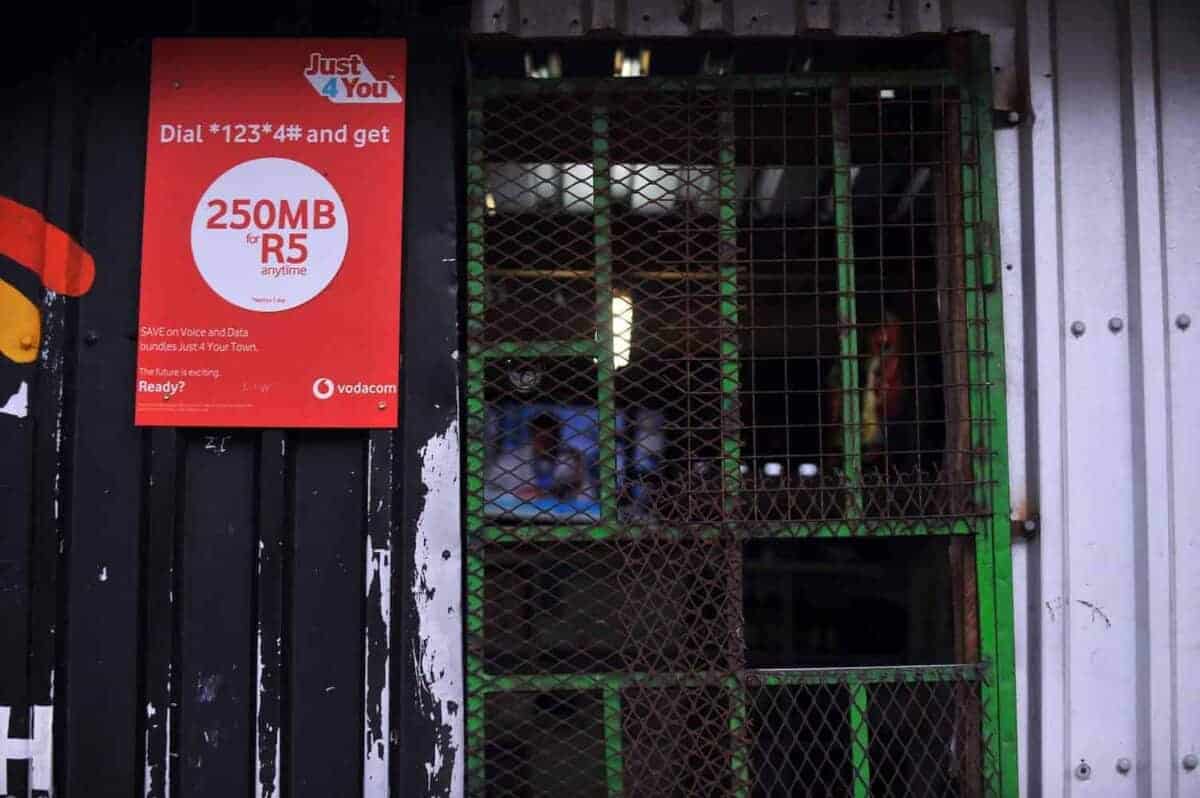
The Department of Small Business Development has faced criticism over its decision to hire an external team to research the reasons behind the varying success rates of spaza shops. Critics point out that such data can be obtained free of charge from official sources, and the department's initial disbursement of only R57 million out of the R500 million Spaza Shop Support Fund further fuels the need for efficiency in township economy interventions.
Bheki Twala, founder and president of the Township Economic Commission SA, argues that the study is another unnecessary burden on public funds, especially when millions have already been spent on spaza shop support programs with little visible impact. He questions the necessity of spending more money on research when existing programmes and data have not fully delivered the promised support to township businesses.
Another concern raised is the observation that spaza shops owned by foreign nationals tend to succeed more easily due to lenient compliance requirements, while South African-owned shops face numerous hurdles such as municipal registration, trading licenses, and zoning certificates. Critics argue that the department should focus on addressing the existing fragmentation in spaza shop support programs, which currently involve multiple departments, rather than conducting another study.
The department claims that previous research has already identified challenges like access to finance, competition, and regulatory compliance, but emphasizes the need for more empirical evidence on why some spaza shops thrive while others fail. The proposed study will focus on various aspects of spaza shops, including ownership arrangements, procurement systems, and technology adoption.
However, the tender does not specify the estimated contract value, and the department has not yet responded to inquiries regarding the registration of spaza shops, which is estimated to be between 70% and 80% failure rate, with half closing within the first five years.
Written by urgent.news from The Citizen's reporting — not their text. Machine-written — may contain errors; check the original before relying on it.