Why AI ads make consumers question product quality, according to an expert
Not only do AI-generated commercials make most viewers cringe, but this creative content expert says they could also make them wary of using the advertised product.
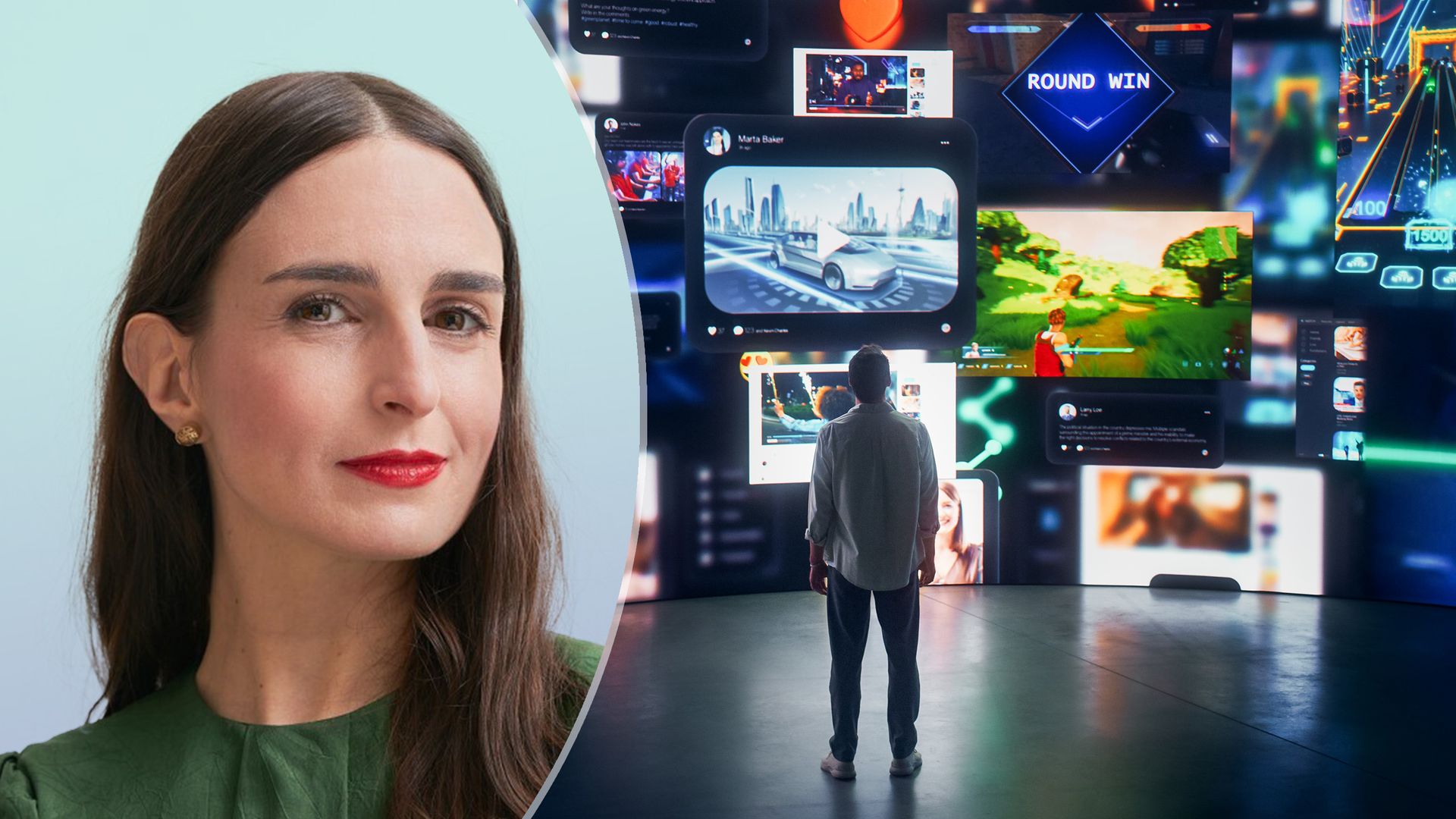
In the holiday season of 2024 and 2025, Coca-Cola's AI-generated visuals for their annual Christmas commercials drew significant backlash from consumers. This issue isn't unique to Coca-Cola; 83% of ad executives have adopted AI in their creative processes, a sharp increase from 60% in 2024. According to Lindsay Brillson, Head of Brand and Content at Pika, only 45% of Gen Z and Millennials hold a positive view of AI-generated ads.
While Coca-Cola's long-standing reputation has allowed them to absorb some criticism, smaller brands are more vulnerable to negative feedback, especially when their AI ads appear cheap and unprofessional. The shift from explicit flaws like facial morphing and lip-syncing to subtler cues, such as default art direction and lighting inconsistencies, signals that the brand may be cutting corners elsewhere.
As AI-generated ads become increasingly polished, consumers will likely base their judgment on other aspects, such as whether the ad's idea is compelling and if it evokes the intended emotions. For products that people use on or near their bodies, like food, skincare, and supplements, using visibly cheap AI could raise greater reputational risks due to concerns about trust and product safety.
Written by urgent.news from Tom's Guide's reporting — not their text. Machine-written — may contain errors; check the original before relying on it.