When the President Tries to Control the Stories
Donald Trump is eager to both undermine the credibility of the press and bask in its plaudits.
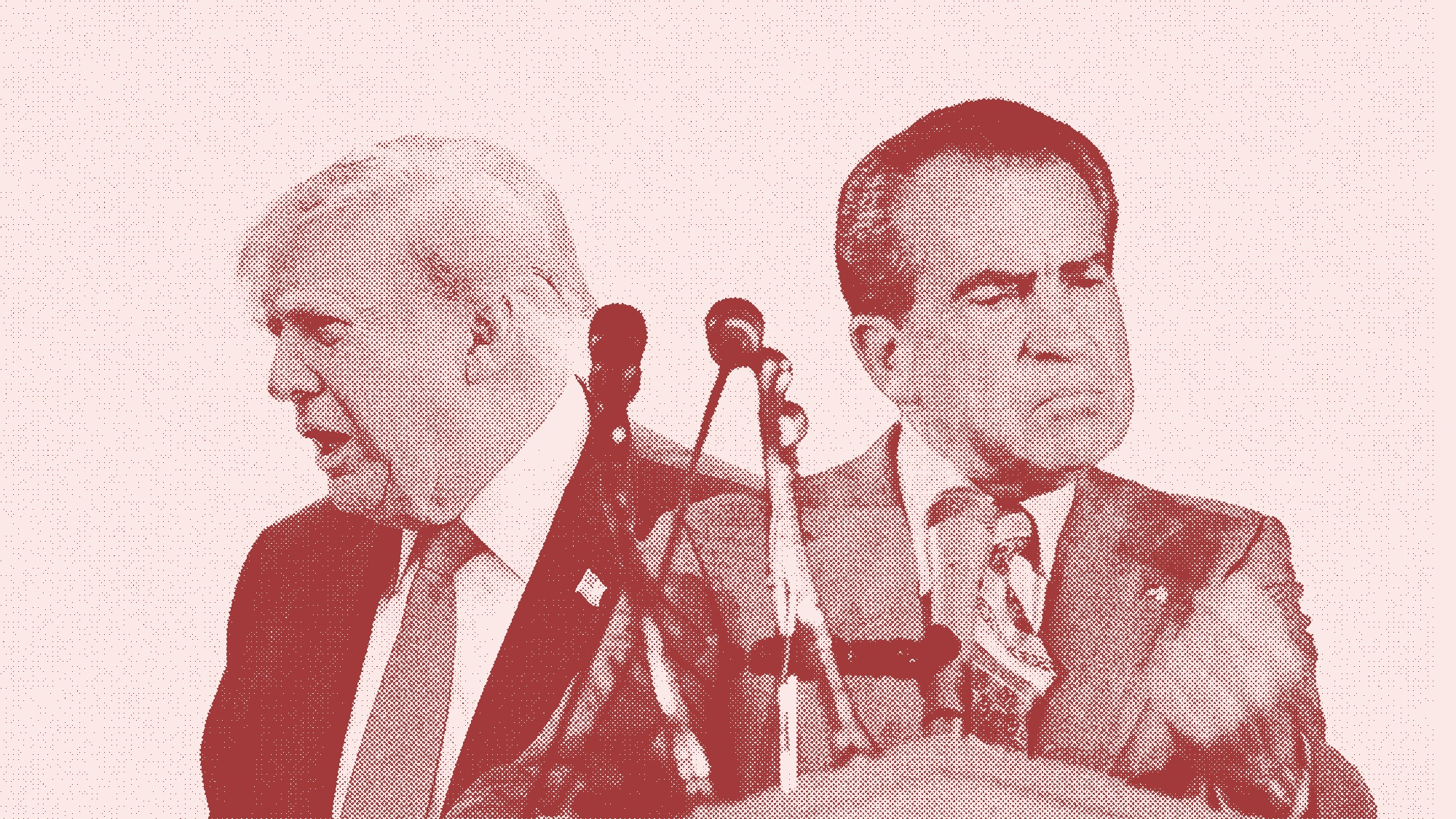
The presidency has long sought to control the narrative, and in the age of social media, the power to dictate the story has never been more accessible. President Donald Trump, a master of leveraging platforms like Truth Social to disseminate his own message, has taken this control to new heights. However, this surge in self-publishing has also deepened the rift between the government and the press.
Nixon understood the power of television to connect directly with the public, and he used it to his advantage. When he defended himself against accusations in his "Checkers" speech, he showcased the potential for a president to shape public opinion without relying on the press. Nixon's administration grew increasingly hostile towards journalists, even as the media's reach expanded.
In 1973, David Wise noted in The Atlantic that Nixon's administration was particularly intolerant of opposing viewpoints in the media. The White House even resorted to intimidation tactics, such as trying to discredit a CBS correspondent and uncovering dirt on a journalist to discredit him. These actions only served to strengthen the press's role in exposing the administration's faults.
Fast forward to the present day, and Trump has taken a similar approach. He has used social media to attack mainstream outlets, further eroding trust in the press. The ban on CNN, MSNOW, and Politico from the White House grounds is a clear manifestation of this trend. Yet, the press remains resilient, continuing to report the story despite the challenges posed by an unruly administration.
The battle between the presidency and the press continues, a dynamic that has evolved with the times, but the underlying tension remains.
Written by urgent.news from The Atlantic's reporting — not their text. Machine-written — may contain errors; check the original before relying on it.