What Is the Supreme Court’s ‘Shadow Docket,’ and How Has Trump Used It to Advance His Agenda?
Trump has made significantly more emergency requests to the high court than any other President in recent history. Most of the responses have been favorable.
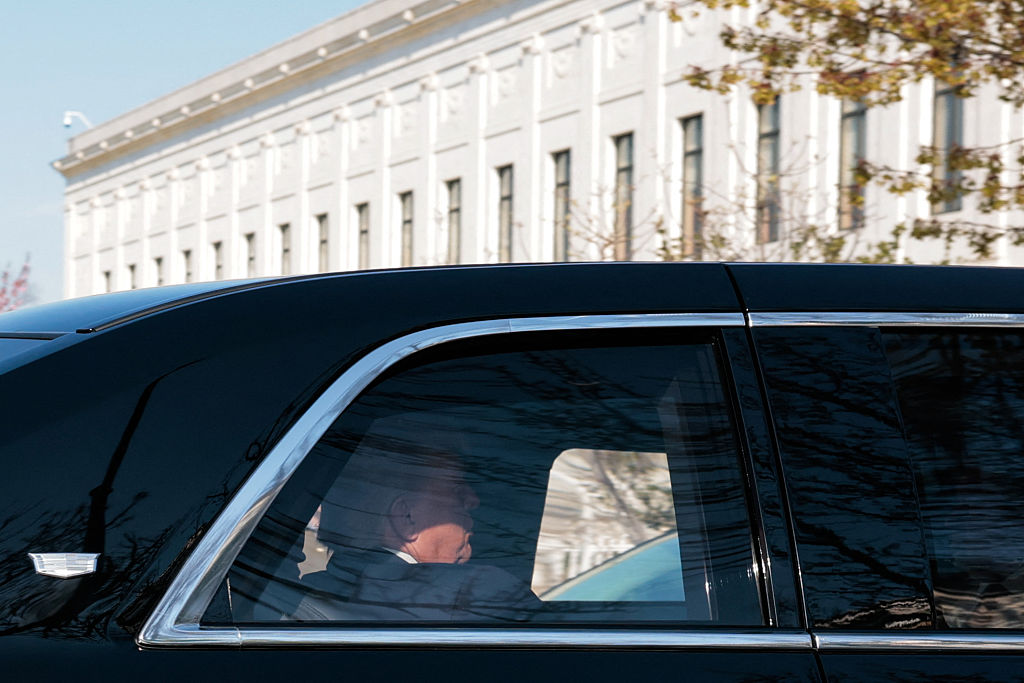
President Donald Trump has been leveraging the Supreme Court's "shadow docket" to advance his agenda, even as he faces criticism from lawmakers and voters. This "shadow docket," also known as the emergency docket, is a streamlined process for the Court to respond to expedited review requests. Unlike the regular merits docket, the shadow docket involves minimal legal review, oral arguments, deliberation, and written decisions.
On April 1, 2026, the Court issued an emergency order allowing Trump to resume deporting individuals to third countries, temporarily lifting a lower court's block. Similarly, the Court permitted the use of a controversial Department of Homeland Security database in verifying voter eligibility ahead of the midterms. Both rulings were unsigned and provided no vote count, but the three liberal Justices publicly dissented.
Legal experts note that the Court has been more permissive toward the Trump Administration's frequent emergency requests than previous administrations. The shadow docket allows Trump to advance his executive agenda with fewer legal constraints than his predecessors. Legal experts argue that the Court's lack of evidence or legal reasoning in these cases undermines lower courts' authority and empowers the executive branch.
Since taking office, Trump has submitted more emergency requests to the Supreme Court than any other President in recent history, with 41 applications in his first term and 41 in his second. Of the 32 decisions on shadow docket rulings concerning his Administration, 24 have been in favor of the Administration.
Written by urgent.news from Time's reporting — not their text. Machine-written — may contain errors; check the original before relying on it.