What did the Supreme Court say about preventive detention based on custodial confession? | Explained
The court holds that a confession made before a police officer cannot, in the absence of independent material supporting it, constitute the basis for ‘subjective satisfaction’ required to sustain a preventive detention order
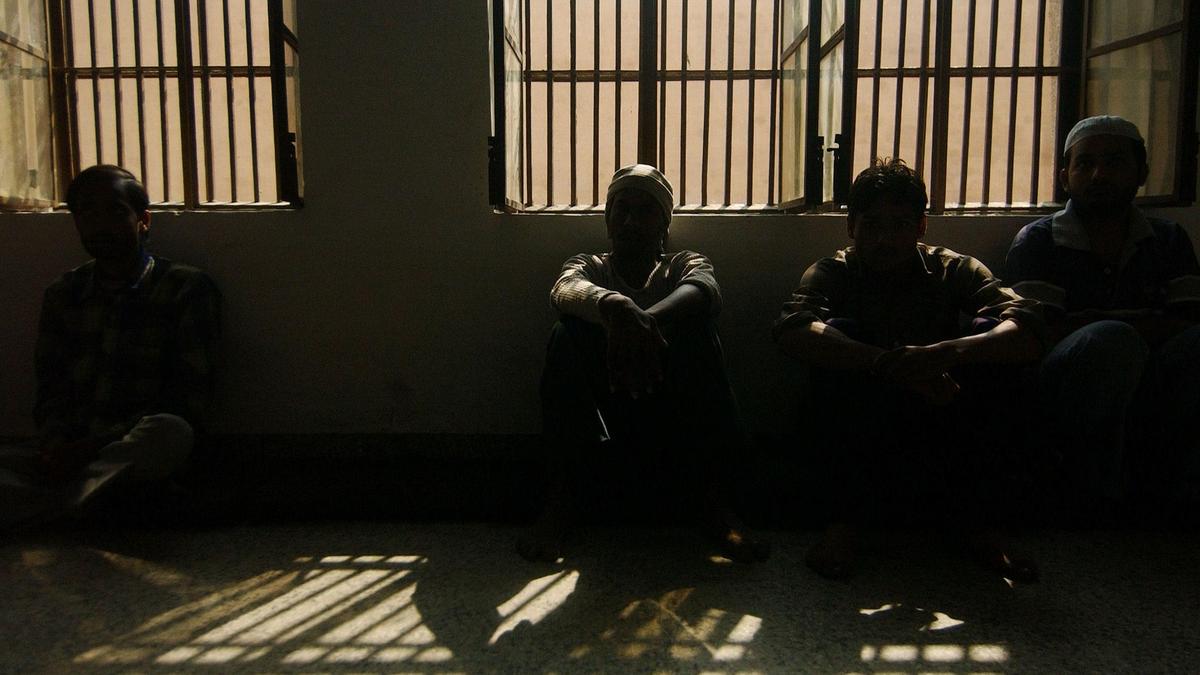
The Supreme Court ruled on September 29, 2026, that a preventive detention order under the National Security Act cannot be based solely on a confession made to a police officer. The court held that a confession alone, without independent supporting material, is insufficient to form the basis for such an order. The case involved a detainee who was arrested nearly two months after a violent incident in Sambhal, Uttar Pradesh, in November 2024.
Police recorded a confessional statement from him in 2025, which led to his detention under preventive detention provisions. The court emphasized that a confession made before the police is presumed to be tainted by coercion and is not admissible evidence, citing Article 20(3) of the Constitution and Section 23 of the Bharatiya Sakshya Adhiniyam.
The court noted that preventive detention aims to prevent future offenses rather than punish past ones, but the power is subject to constitutional safeguards and judicial review. The Supreme Court set aside the detention and confirmation orders, directing his release unless his custody was needed in another case, and imposed a fine on the State.
Written by urgent.news from The Hindu's reporting — not their text. Machine-written — may contain errors; check the original before relying on it.
This story
This is one outlet's version. Read the fullest account.
- The surprising allies backing Boulder’s climate case before the Supreme Court grist.org
- No Supreme Court relief for Mamata-led TMC over frozen bank accounts indianexpress.com
- ‘Supreme Court verdict does not affect Shehu Buba’ dailytrust.com
- Andhra government will move Supreme Court on 34% BC quota in local bodies, says Naidu thehindu.com
- Supreme Court's recommendation to Balad leader: Quit israelnationalnews.com