Visa and Mastercard handle nearly half of Europe’s card payments. The digital euro aims to change that
The European Central Bank's €1.3 billion bet offers an alternative to the U.S. payments giants, but it faces an uphill battle to win over consumers, merchants, and banks.
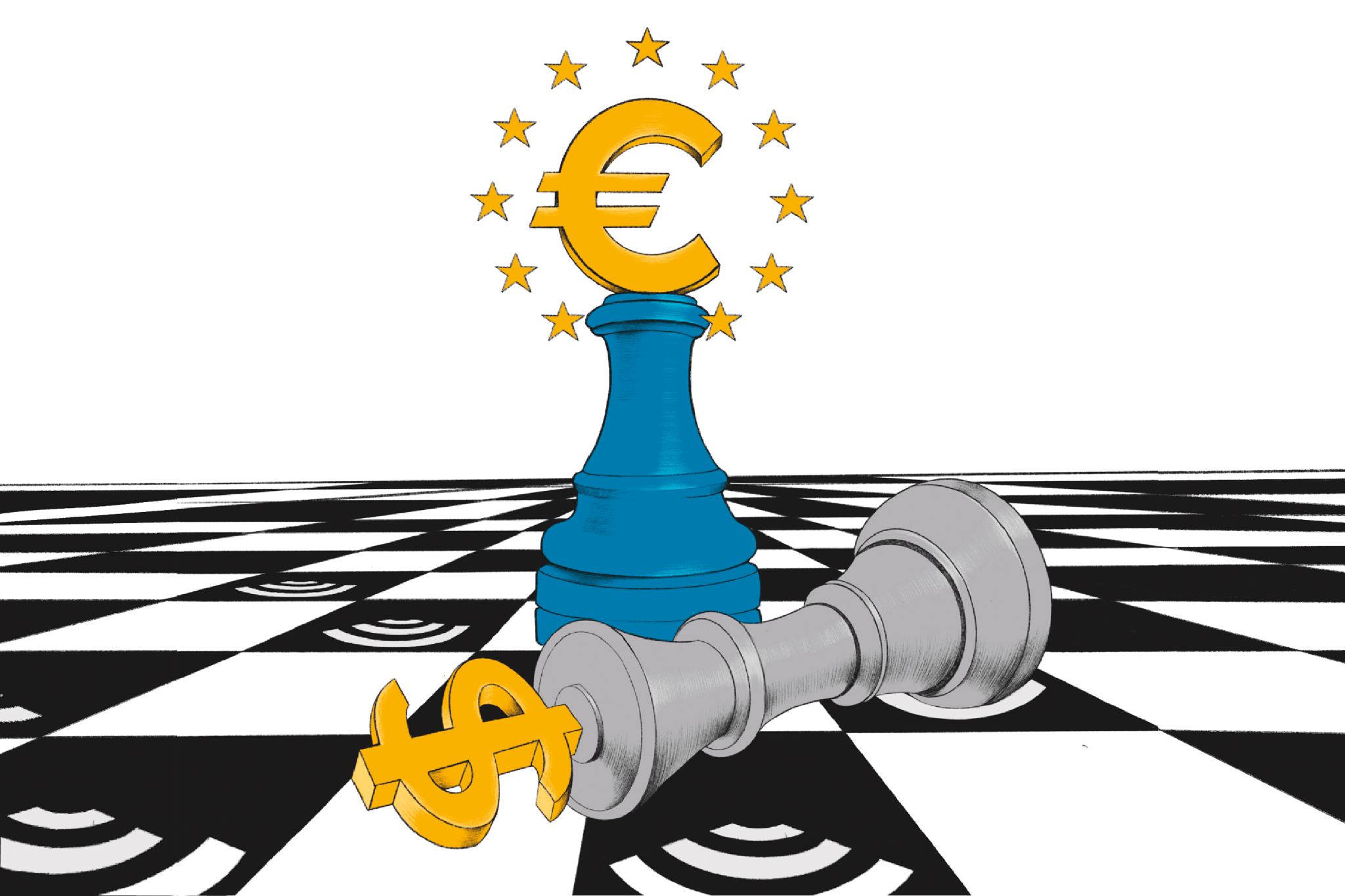
Visa and Mastercard currently handle nearly half of Europe's card payments, which has raised concerns among European officials about their dependence on U.S. companies. The European Parliament voted in June to back the digital euro, an electronic alternative to physical money issued by the European Central Bank (ECB). A 12-month pilot is set to begin in the second half of 2027, with 36 finance firms including Deutsche Bank, Revolut, Adyen, and UniCredit participating. By 2029, businesses will need to accept digital euros in-store and online.
The digital euro aims to provide a free and universally accepted option for payments, helping Europe remain competitive as global payment systems become increasingly digital. By eliminating the need for intermediaries, businesses could avoid interchange fees and settle instantly, potentially making Europe a more attractive place to do business.
However, there are concerns about the complexity of managing a wide mix of regional payment methods in Europe and whether the digital euro will achieve broad everyday adoption. While the ECB wants Europe to have its own foothold in payment infrastructure, the success of the digital euro remains to be seen.
Written by urgent.news from Fortune's reporting — not their text. Machine-written — may contain errors; check the original before relying on it.