Veterans: Heroes of the Past, Builders of the Future
When Oleksandr returned from military service, he found the transition to civilian life difficult. Severely injured in combat, he struggled to find work that matched his physical needs. The sense of purpose he had found in serving his country seemed lost. Yet today, Oleksandr is a sought-after IT specialist. Through a reskilling programme supported by international partners, he gained new skills…
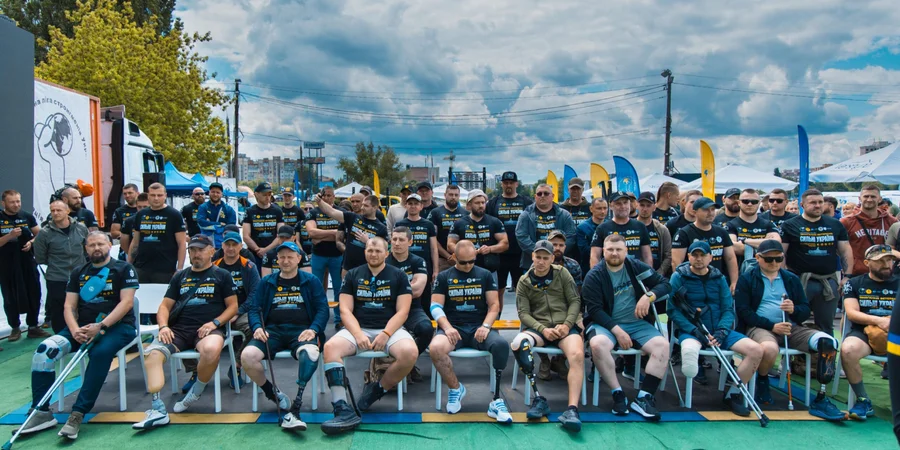
Veterans once celebrated as heroes, now stand at the forefront of shaping Ukraine's future. After being severely wounded during the war, Oleksandr found that civilian life offered little purpose. Yet today, he has emerged as a sought-after IT specialist, a testament to the power of reskilling programmes. These initiatives have helped countless other Ukrainian veterans transition from the battlefield to civilian life, finding work and rebuilding their lives.
The challenges remain immense, as Ukraine is home to over 1.5 million veterans, many of whom require ongoing support. With the war still affecting family members, the numbers could swell to up to 5-6 million people if included. Supporting veterans’ return to civilian life is not just a moral obligation but an essential step for Ukraine’s recovery and development.
Veterans bring valuable traits to the table – leadership, discipline, resilience, and a strong sense of civic duty. With proper support, they can drive economic growth, strengthen communities, and advance local development. Since 2019, the United Nations Development Programme (UNDP) in Ukraine has collaborated with the Ukrainian government to bolster reintegration systems.
These systems connect veterans with essential services, jobs, digital solutions, and community engagement. However, the road to recovery is fraught with obstacles. Seventy-one percent of veterans live with physical injuries, and one in three suffers from post-traumatic stress disorder. Finding employment is particularly difficult, with 41% of veterans under 60 struggling to secure a job.
Yet, veterans possess skills honed in the military – responsibility, leadership, and teamwork. They show high levels of civic engagement and a lower tolerance for corruption. Moreover, a significant number are interested in starting their own businesses. The Ministry of Veterans Affairs, alongside civil society and international partners, has championed a community-based approach to reintegration.
UNDP has supported this model, which integrates healthcare, rehabilitation, mental health services, education, employment, social protection, legal assistance, and community participation. Dedicated veteran spaces in nine oblasts provide integrated services, fostering a sense of belonging and peer support. These spaces have helped veterans like Mykola and Serhii, who lost limbs in combat, regain physical strength and rebuild camaraderie.
Artem, a veteran displaced from Rubizhne, found solace in therapy and employment support, gradually rebuilding his confidence. Digital tools have also played a crucial role in simplifying access to benefits and reducing bureaucratic hurdles. The Diia and e-Veteran platforms have launched over 15 digital services, streamlining interactions with public services.
The electronic veteran ID in Diia, which eliminates the need for paper documents, has been particularly transformative. By reducing administrative burdens, digital solutions allow veterans to focus more on recovery, employment, and the future. Economic inclusion is a cornerstone of successful reintegration. To help veterans start and grow businesses, UNDP has supported initiatives that provide training, mentorship, and access to capital.
Their story exemplifies the resilience of Ukraine’s veterans – heroes not only of the past but builders of the future.
Written by urgent.news from New Voice of Ukraine's reporting — not their text. Machine-written — may contain errors; check the original before relying on it.