Ukraine's interceptor tech outpaced by Russia’s jet-powered Geran-5 drones
The jet-black Russian munition slammed into the Presidium building of Ukraine's National Academy of Sciences, an iconic Tsarist-era structure right in the center of Kyiv, setting the building on fire. Survivors climbed out of the windows and clambered onto the building's ledges, fleeing the flames and choking black smoke. Two people were killed in the attack. Around an hour later, an identical…
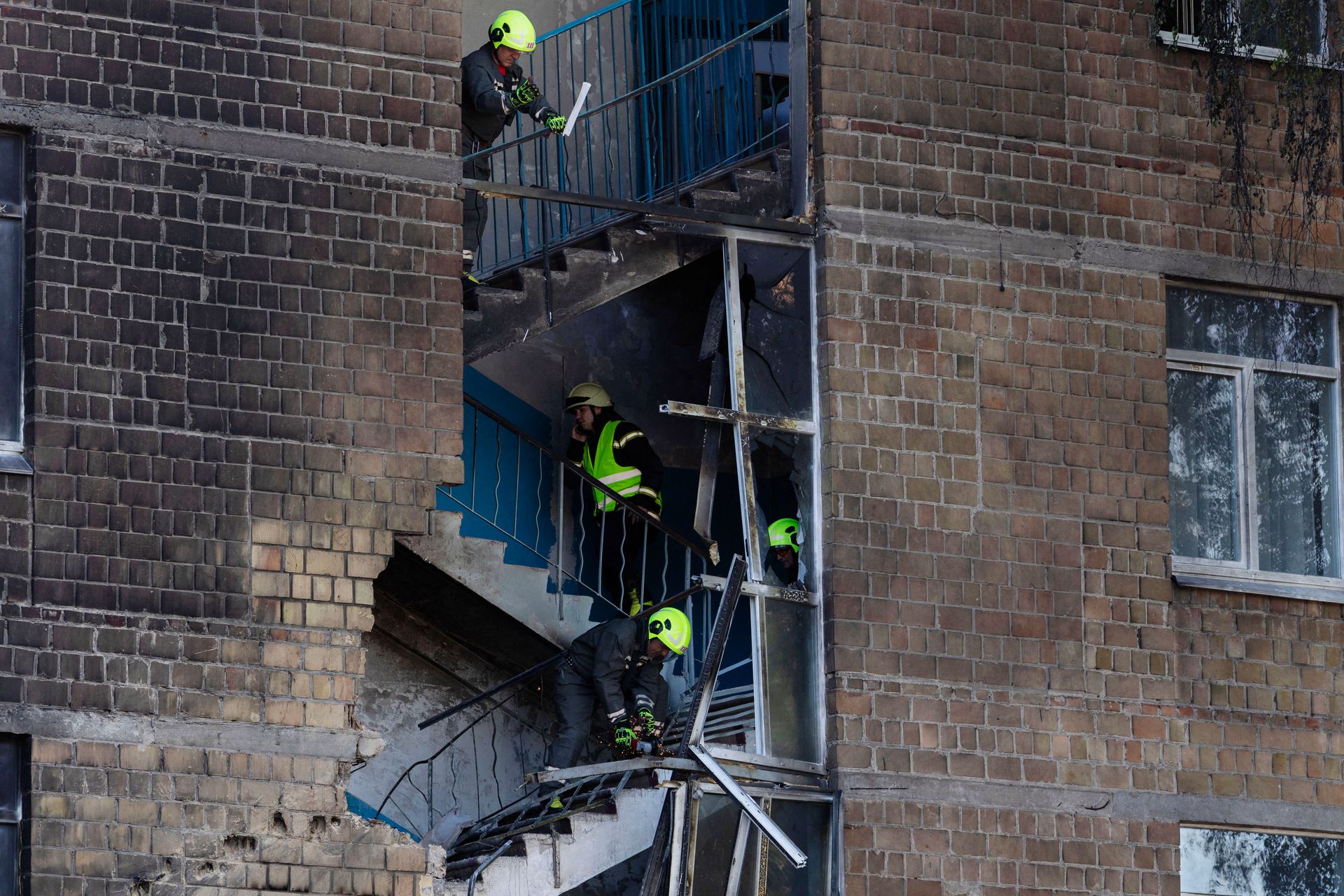
Russian jet-powered Geran-5 drones are outpacing Ukraine's interceptor technology, according to defense sources. On September 15, 2026, the Geran-5 struck the Presidium building of Ukraine's National Academy of Sciences, an iconic Tsarist-era structure in Kyiv, causing a fire and killing two people. An hour later, the same type of drone hit a private medical clinic.
Senior defense engineers say the Geran-5 is significantly more difficult to intercept than previous Russian drone generations, as it flies 150km/h faster. Launched in waves, Russian jet drones target civilian infrastructure, disrupting daily life in Kyiv. Constant air alerts have forced businesses to close, costing the Ukrainian economy $45 million per hour.
Russia produces around 3,000 jet-powered Geran-4 and Geran-5 drones per month, with Colonel Yurii Ihnat stating that two-thirds of daily launches are jet-powered. Ukrainian intelligence estimates that Russia can currently produce 3,000 such drones per month, with Moscow aiming to increase this number. Only 57% of jet-powered drones are currently shot down by Ukraine, President Zelensky admitted.
The Geran-5's high-speed design and cruise missile form make it more challenging to intercept compared to older piston-engined drones. Its cost is estimated at around $115,000, significantly higher than older models but still less expensive than traditional cruise missiles.
Written by urgent.news from Kyiv Independent's reporting — not their text. Machine-written — may contain errors; check the original before relying on it.