Ukraine solves riddle of metal “whiskers” on new Russia’s drones. They aren’t clever sensor
The metal prongs appearing on Russian strike drones are a mechanical contact detonator.
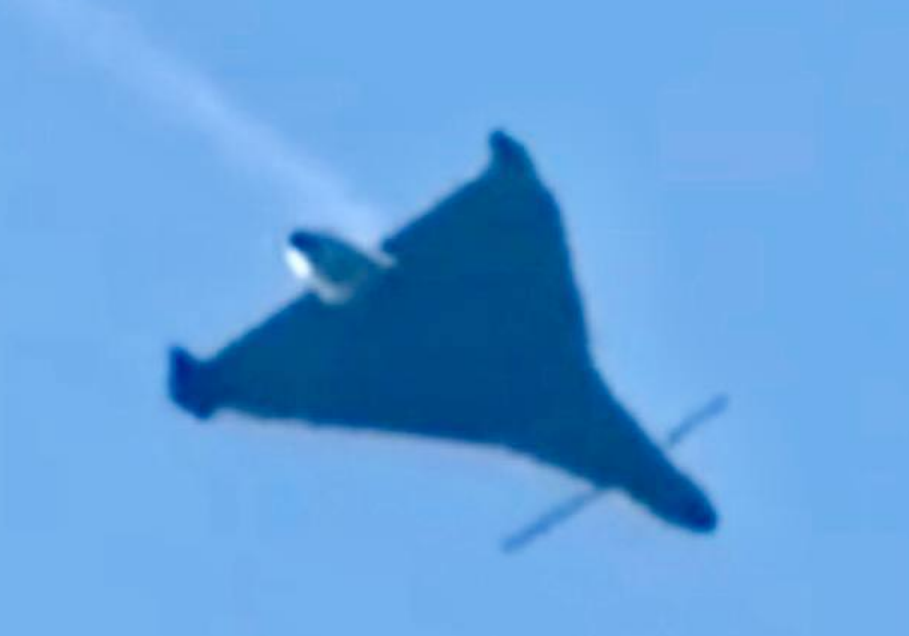
Ukraine has finally solved the mystery behind the metal "whiskers" found on Russian jet-powered drones that struck Kyiv, and the answer is far simpler than initially thought. According to Serhii Flash, a presidential adviser, the strange devices are not a clever new sensor, but rather a basic mechanical detonator. The story began when photos of Russian drones with long metal prongs protruding from their noses sparked speculation about their purpose.
Flash clarified that the prongs serve a very straightforward function: when they come into contact with something, they close a circuit, causing the warhead to detonate without the need for sensors or complex electronics.
This simplicity in design reflects Russia's strategy of mass-producing drones at a rate of about 3,000 per month, making cost-effectiveness a priority over advanced technology. Flash emphasized that the "whiskers" exemplify a crude and inexpensive fuze, ideal for weapons that are expected to be built and expended in large numbers.
The recent drone strikes on Kyiv, including targets such as a school, a café, and warehouse buildings, have underscored the ongoing threat posed by these low-tech warheads. On 28 September, Russia specifically targeted the Academy of Sciences in Kyiv, a historic institution, in what Kremlin spokesperson Dmitry Peskov termed "paying a price" for Ukraine's recent actions.
Written by urgent.news from Euromaidan Press's reporting — not their text. Machine-written — may contain errors; check the original before relying on it.