Threats to journalists limit coverage of cocaine trade in Ghana – Global Organised Crime Index
Threats against journalists have contributed to reduced media coverage of organised crime, particularly the cocaine trade, in Ghana, according to the Global Organised Crime Index.
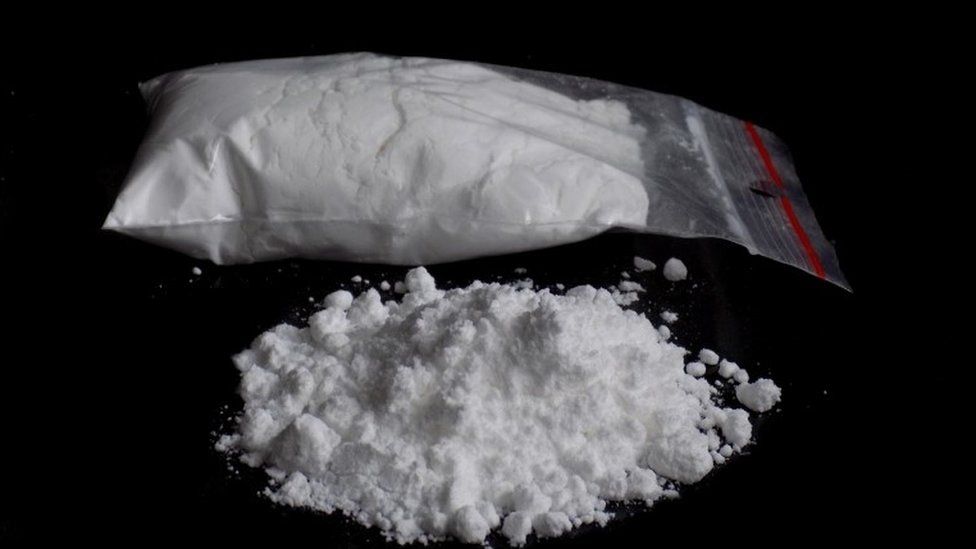
The Global Organised Crime Index report highlights how threats against journalists have limited media coverage of organised crime in Ghana, particularly the cocaine trade. The assessment points to risks journalists face when investigating sensitive subjects, such as drug trafficking, political vigilantism, and corruption. It notes that intimidation affects scrutiny of organised crime, despite Ghana's media pluralism guarantees.
Some journalists have faced severe violence and even death while reporting on sensitive topics, though most operate without extreme risks. The report also raises concerns about the legal environment, suggesting that a restrictive legal framework facilitates harassment and intimidation of journalists. Beyond press freedom, the assessment describes Ghana's civil society as active, though organisations face government criticism, especially on drug rehabilitation.
It highlights shortcomings in victim and witness support, with inadequate assistance for drug users and a shortage of shelters for crime victims. The report acknowledges efforts to improve assistance for trafficking victims, including expanded trauma care, a multilingual reporting hotline, and labour inspections to protect child labour.
However, it notes that resource constraints limit government agencies' capacity to implement effective crime prevention policies.
Written by urgent.news from MyJoyOnline Ghana's reporting — not their text. Machine-written — may contain errors; check the original before relying on it.
This story
This is one outlet's version. Read the fullest account.
- Ghana, Philippines expand trade ties ahead of embassy thearabianpost.com