The world opinion shifts on tariffs
More countries are buying into a core piece of President Trump's argument about what is broken in global trade, even as his tariffs rattle the world economy. Why it matters: Two major agreements over the past month show that more countries are embracing the view that huge trade imbalances and excess production can hurt domestic industries and may warrant action. Driving the news: G20 trade…
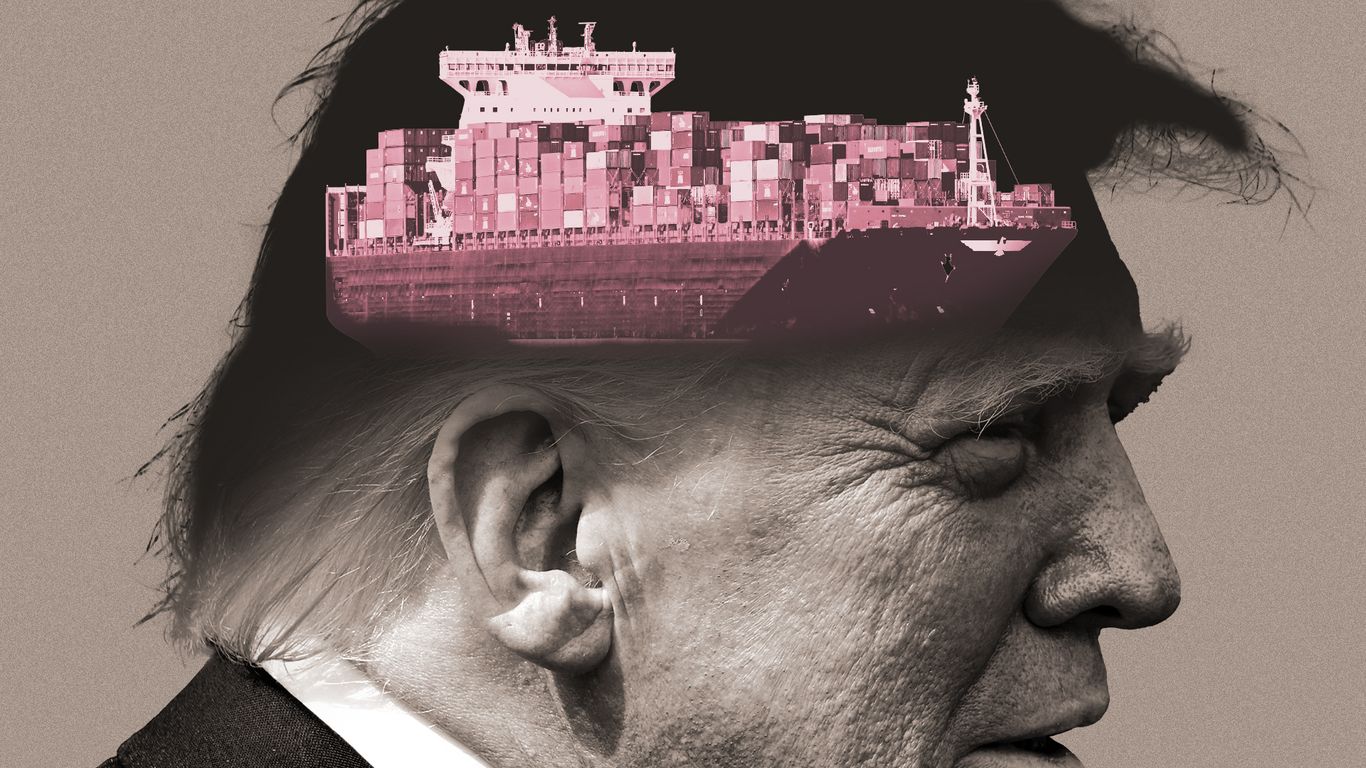
The world is increasingly recognizing the problems with global trade, particularly those highlighted by President Trump, despite the economic turmoil caused by his tariffs. Two significant agreements in recent months indicate more nations are now embracing the idea that massive trade imbalances and surplus production can harm domestic industries and may need intervention.
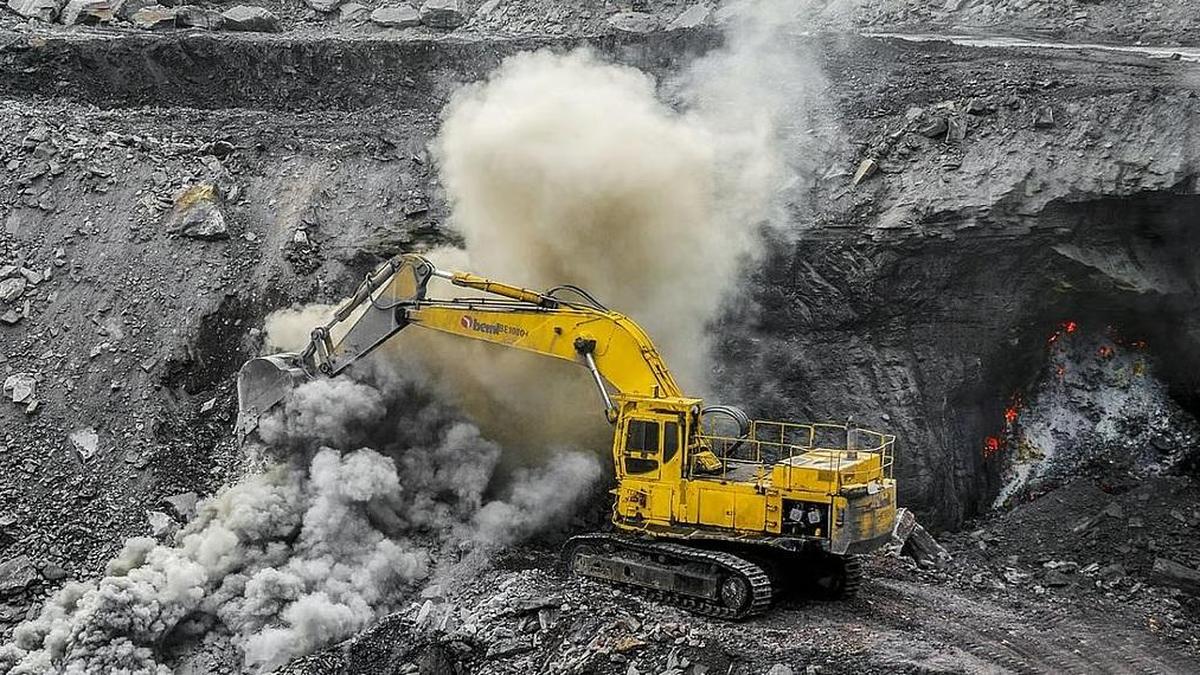
Recently, G20 trade officials gathered in Milwaukee, where they unveiled a new framework to address the global steel surplus. This framework, known as the Milwaukee Framework, suggests countries should curb trade-distorting subsidies, enhance monitoring of steel imports, and consider tariffs against excess capacity. This agreement came after a similar acknowledgement at the G20 finance ministers meeting in September, where the U.S. and most other G20 economies agreed that large, persistent trade imbalances can harm other countries.
They also endorsed a statement urging surplus nations to address policies that overly rely on exports for growth. China was the only G20 member to object to this statement. Over the years, governments have been warning about global trade distortions, including excess steel production. What has changed is the willingness to acknowledge the harm to domestic industries and protect them.
While most countries agree with the diagnosis, they are hesitant to take action. U.S. Trade Representative Jamie Greer noted that the Milwaukee agreement could not have happened in 2015. He emphasized that other countries, aware of the need to maintain access to the U.S. market, are willing to adjust the international system. European industries, in particular, are struggling with cheap imports due to global overcapacity, often from China, and are responding with their own trade barriers, including potentially harsher tariffs.
U.S. trading partners are also grappling with tariffs or the threat of tariffs aimed at addressing the same issues they are working to resolve with Washington. For instance, Canadian steel exports to the U.S. face a 50% tariff, and an import ban on certain Canadian products took effect as a trade official visited Milwaukee. Greer is also investigating excess capacity and production in 16 economies, which could lead to additional tariffs.
While there is tension between the U.S. and its trading partners over tariffs, they still share concerns about excess production elsewhere. The U.S. Trade Representative acknowledged this during the roundtable, noting that despite disputes, the global concern about excess production remains. Rockwell Automation, a company investing $2 billion in U.S. plants, facilities, and technology, faces rising costs due to tariffs.
Its CEO, Blake Moret, mentioned that some customers are delaying projects in this volatile environment. Despite these challenges, the Trump administration's case for reevaluating the global trading system is gaining more support.
Written by urgent.news from Axios's reporting — not their text. Machine-written — may contain errors; check the original before relying on it.