‘The world of Cat TV is more cut throat than you would ever imagine’ – inside the strange business of TV… for cats
On the internet, no one knows you’re a cat. But The Algorithm almost certainly knows if you’re a cat owner, and it will increasingly serve you content aimed at keeping your housebound feline entertained. Welcome to the YouTube phenomenon of Cat TV, a peculiar niche of video streaming whose primary audience (one has to assume) [...]
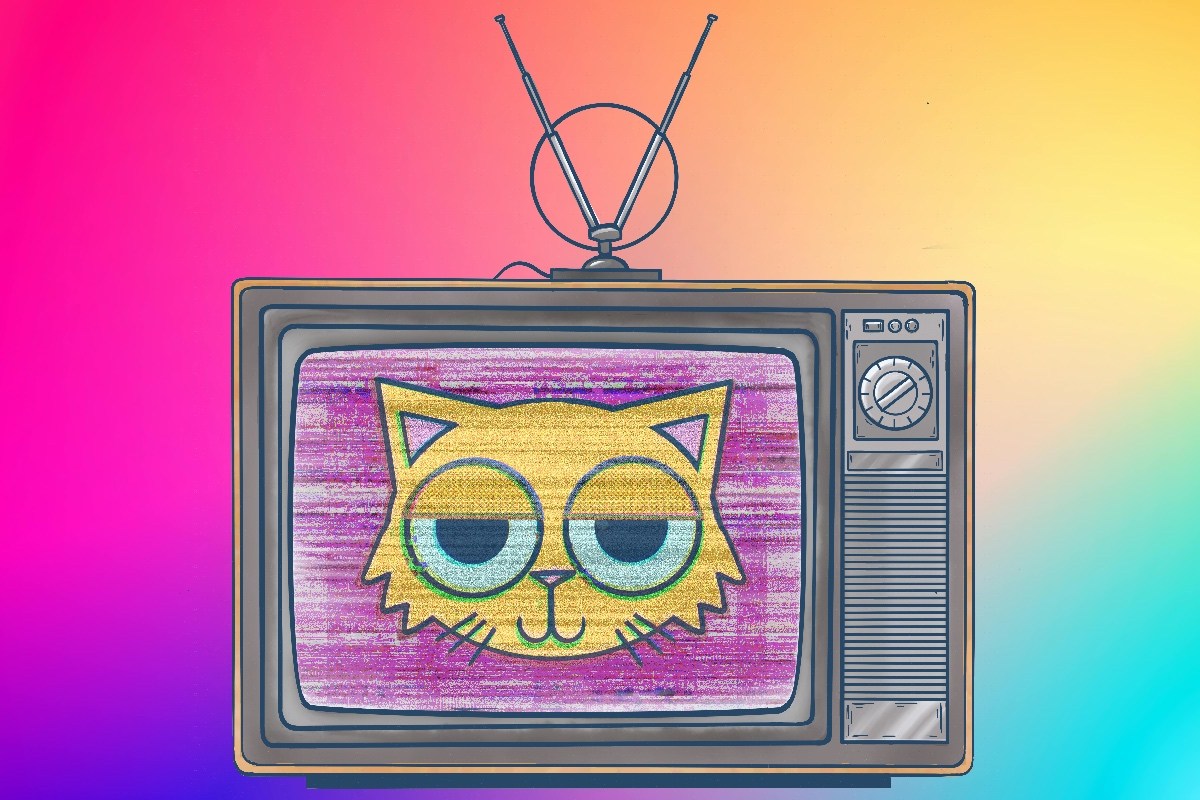
In the online world, no one is aware you are a cat. Yet, The Algorithm likely knows if you are a cat owner and will begin serving you Cat TV content to keep your indoor feline companion entertained. Welcome to the YouTube niche of Cat TV, a peculiar streaming phenomenon whose primary audience consists of crepuscular predators with names such as Socks, Mr. Biscuits, and Santa Paws.
The origins of Cat TV can be attributed to both chance and creativity. One of the genre's most popular content creators, Paul Dinning, an amateur wildlife photographer from Cornwall, was the pioneer of this industry 10 years ago. Initially, Dinning planned to film local bird species for other nature enthusiasts; however, when he experimented with the title "Videos for Cats," his channel gained traction.
Now boasting 832,000 subscribers, Dinning's most popular videos have amassed millions of views, such as his 10-minute piece on Cadgwith Cove.
The content of Cat TV is not surprising to humans. One cat owner's half-Bengal juvenile cat, Jasper, is particularly fascinated by these eight-hour long videos. These videos feature cats, mice, and squirrels nibbling at treats on feeder tables, filmed in static close-ups. For Jasper, these strange exercises are a high point in on-screen entertainment, second only to televised football, which occasionally activates his hunting instincts.
However, the motivations behind these creators are more complex. While amateur enthusiasts like Dinning might be exceptions rather than the rule, the industry has evolved into a cottage industry. Social-first video production company Trendy Grandad's co-founder, Adam Jones, explains that YouTube ranks videos based on watch time. If viewers watch for 30 seconds, it feeds a negative signal into the algorithm, but if they watch for five hours, it's a positive sign, leading to increased advertising revenue for the creators.
The Cat TV industry may not yet be fully infiltrated by AI; most videos are genuine films of critters. Some channels with names like Birder King and Cat Games have amassed millions of views, but search traffic is dominated by a few players. Many accounts struggle to succeed with this traffic farming approach, with their videos only reaching hundreds or low thousands of viewers.
Digital ethnographer Zoë Glatt points out that while this type of content may seem like an easy way to make a quick buck, it is exceptionally challenging to build a following and generate sustainable revenue in oversaturated content verticals with a low barrier to entry. The world of Cat TV may be more cutthroat than one could imagine, beneath the bright eyes and fur, always lurking are sharp claws.
Written by urgent.news from City AM's reporting — not their text. Machine-written — may contain errors; check the original before relying on it.