The vanishing of Indonesia from the heart of Papua
Beneath the machinery of state security and industrial extraction, Papua’s deepest resistance lives in what cannot be cleared: Its people’s ancestral bond to the land.
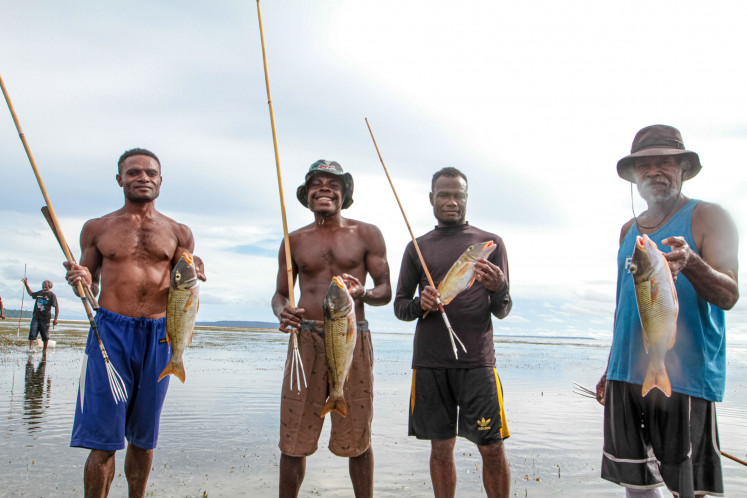
Indonesia's Papua region has been transformed by industrial extraction and plantation agriculture, often at the cost of its indigenous people's way of life. Hundreds of thousands of hectares have been turned into rice, sugarcane, and oil palm plantations, while traditional sago cultivation has declined. To accomplish this, a large security force of about 80,000 personnel has been deployed, with each soldier and police officer responsible for a much smaller number of citizens than the national average.
The region's integration into Indonesia began with military campaigns following the 1965-1966 Java and Bali massacres, followed by the New York Agreement of 1962 and the controversial Act of Free Choice in 1969. The documentary film Pesta Babi, screened in Amsterdam, raises questions about whether these developments truly benefit the Papuan people.
Written by urgent.news from The Jakarta Post's reporting — not their text. Machine-written — may contain errors; check the original before relying on it.