The Overlooked Black Architect Who Shaped a Landmark Smithsonian Museum
Max Bond Jr., who lobbied for and co-designed the National Museum of African American History and Culture in DC, deserves a larger place in history.
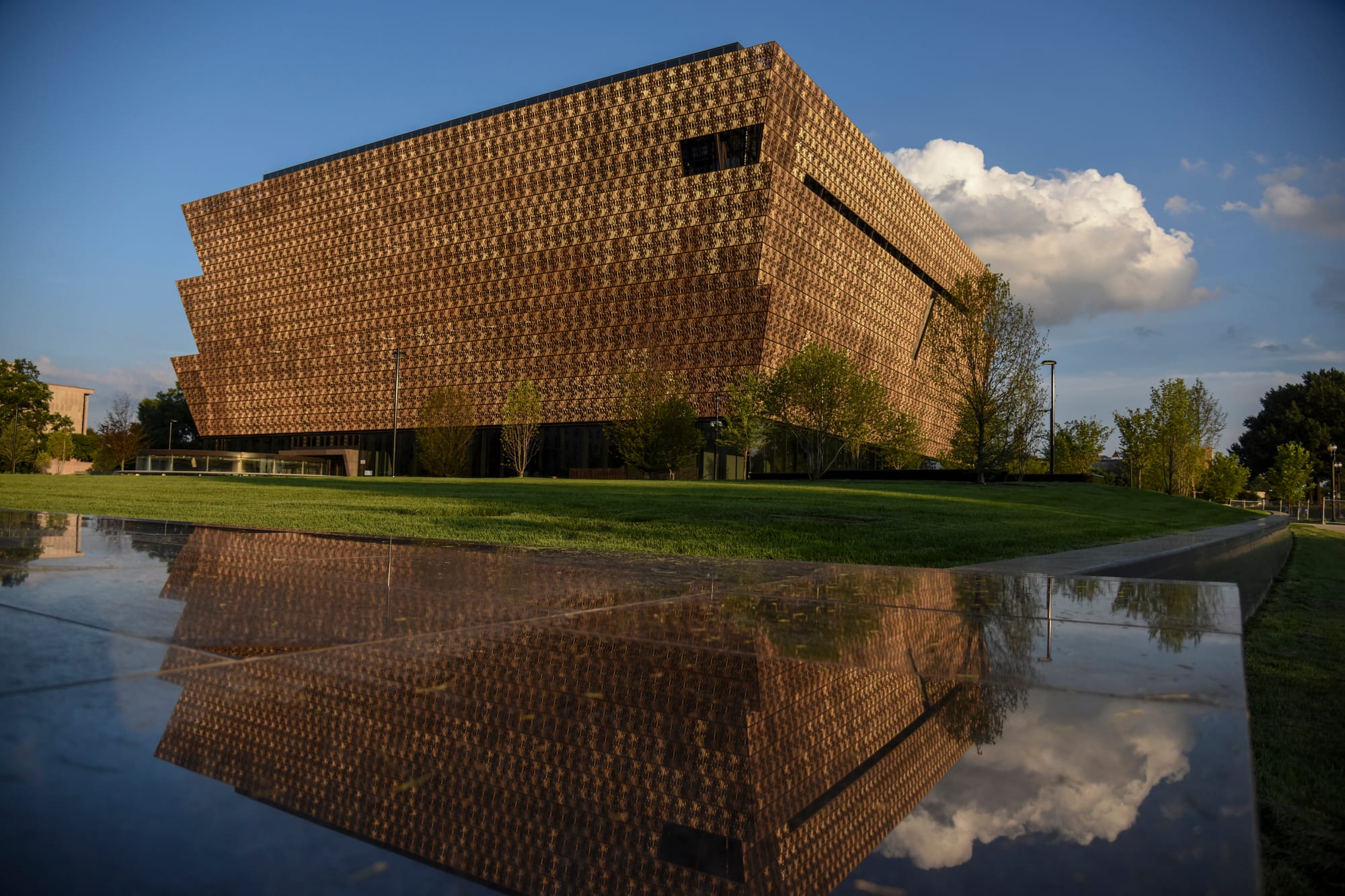
In the heart of the Smithsonian Institution's National Museum of African American History and Culture lies an often-overlooked exhibition that traces the long development of this significant landmark. The display is titled "A Century in the Making" and highlights the decade-long struggle that led to the creation of this museum on the National Mall in Washington, DC.
One panel within the exhibition is headlined "An Architectural Marvel," featuring a photograph of the winning team responsible for designing the building: Philip Freelon, J. Max Bond Jr., and David Adjaye.
Philip Freelon, J. Max Bond Jr., and David Adjaye formed the architectural firm, Freelon Adjaye Bond/SmithGroup, and together they shaped this iconic building. However, in the years since the museum's opening in September 2016, the spotlight has predominantly shone on David Adjaye. Renowned as a globally recognized architect, Adjaye's fame quickly surpassed that of his teammates.
The Guardian called the museum "Adjaye's stunning building," Vogue dubbed it "Adjaye's radically inventive design," and the New Yorker described it as "Adjaye's structure." While Adjaye's talent and popularity grew, the contributions of the other team members were often overshadowed.
The story of the Smithsonian's National Museum of African American History and Culture is not just about a singular architect; it is a testament to the power of collective effort and resistance. In light of recent allegations of sexual misconduct against David Adjaye in 2023, the spotlight on him has dimmed, revealing the potential dangers of perpetuating the "long genius" narrative in architecture.
This birthday celebration of the museum offers an opportunity to recognize the unsung member who first championed the project: J. Max Bond Jr.
J. Max Bond Jr., who passed away in 2009, was a highly successful Black American architect who faced hostility within the field. Despite his achievements, he remained skeptical of the star system prevalent in architecture. In an unpublished 1993 essay, Bond Jr. questioned whether the "Star System" served the interests of architects as a group.
For Bond Jr., architecture was a collaborative process and a reflection of function, particularly for the benefit of its inhabitants. Just like the social movements advocating for racial equality, the buildings and city plans he designed needed to be democratic, shaped collectively, and celebratory of the disenfranchised communities – especially Black people.
Written by urgent.news from Hyperallergic's reporting — not their text. Machine-written — may contain errors; check the original before relying on it.