The Japanese photographer who turned an empathetic eye on rural communities of the Pacific Northwest in the early 20th century
A new documentary about Frank Matsura captures the incredible journey of an immigrant photographer who created indelible images and served as a bridge across cultures
Our Mr. Matsura, a new documentary screening at the Vancouver International Film Festival, explores the life of photographer Frank (Sakae) Matsura (1873-1913) as he navigated cultural and national boundaries. Born into a samurai family in Hirado, Japan, Matsura immigrated to the United States to find a home in a small Washington town at the turn of the 20th century.
The film, directed by Beth Harrington, chronicles Matsura's journey as he became an integral part of a settler community, photography and befriending both Native people of the Colville Confederated Tribes and local settlers and immigrants.
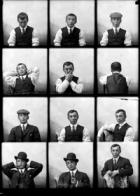
Matsura's photographs offer a glimpse into a time of great change, capturing the people, events, and landscapes of the Pacific Northwest. His playful self-portraits and unusual stagings reveal a camaraderie with his subjects and demonstrate the democratisation of portraiture that was occurring at the time. Matsura's portraits of members of the Colville Confederated Tribes were especially significant, as they gave Indigenous people agency and challenged the contrived or romanticised images often produced during that era.
Curator Michael Holloman highlights Matsura's influence on Indigenous people, stating that his photographs provided a sense of comfort and autonomy by focusing on their experiences and moving white individuals to the margins. Harrington's documentary diverges from Edward Curtis's romanticised images of Native people, instead emphasizing the connection between subjects and photographer, which conveys a sense of casual familiarity and closeness.
Although Matsura passed away at the young age of 39 due to tuberculosis, he left behind a legacy of over 1,500 photographs that continue to resonate with descendants of those in his images. More than a century after his death, Matsura's work maintains its relevance, offering viewers a bridge between cultures and a reflection of the humanity within us all.
As political tensions surrounding immigration continue to rise, Matsura's story remains a poignant testament to the power of empathy, emotional intelligence, and humour in navigating challenging landscapes.
Written by urgent.news from The Art Newspaper's reporting — not their text. Machine-written — may contain errors; check the original before relying on it.