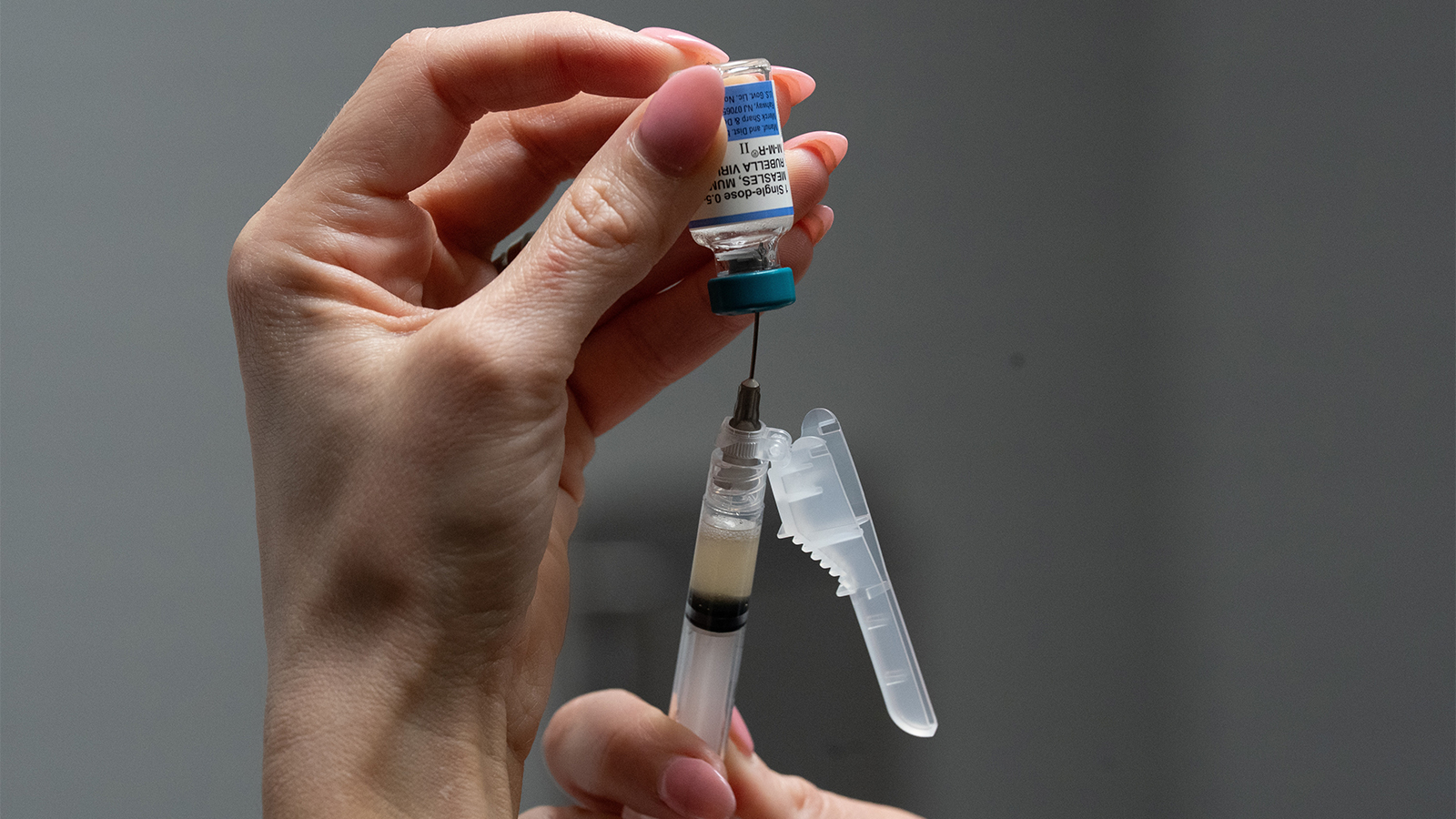
Tell us: what happened after you froze your eggs?
Much is made of the decision to try to preserve fertility but less explored are the choices that come afterwards. We want to hear from people about what happened next Oocyte cryopreservation, more commonly known as egg freezing, has been around for decades but the procedure stopped being considered experimental in 2012. Since then, elective egg freezing has boomed. Often represented as an…

After undergoing the decision to freeze one's eggs, the journey continues with a myriad of choices and considerations. Egg freezing, also known as oocyte cryopreservation, has been a subject of discussion for years, but it gained mainstream acceptance in 2012 when it was deemed no longer experimental. As the popularity of this procedure surged, it became a financial and emotional investment for many, often seen as a safeguard against fertility decline associated with age or illness.
However, the reality is that the majority of individuals who opt for this path rarely utilize their preserved eggs, leading to mixed outcomes and a host of questions surrounding the long-term implications. These include the costs and complexities of long-term storage, as well as the ethical dilemmas of disposal. We seek personal accounts from those who have taken this path, either five, ten, or even fifteen years ago.
Did the "insurance" provide a sense of security and peace of mind, or did it spur alternative decisions regarding what to do with the eggs? Whether the eggs were eventually used or discarded, we invite you to share your experiences via the form provided. A journalist will reach out before any responses are published, ensuring privacy and informed consent.
For assistance with the form, please refer to the link provided. Please review the terms of service and privacy policy prior to submission.
Written by urgent.news from Guardian Health's reporting — not their text. Machine-written — may contain errors; check the original before relying on it.