Strong policies, financing key to Kenya’s circular economy transition
NAIROBI, Kenya, Oct 1 – Stronger policies, suitable financing and access to technology are key to Kenya’s transition from a linear economy to a circular model that keeps resources in…

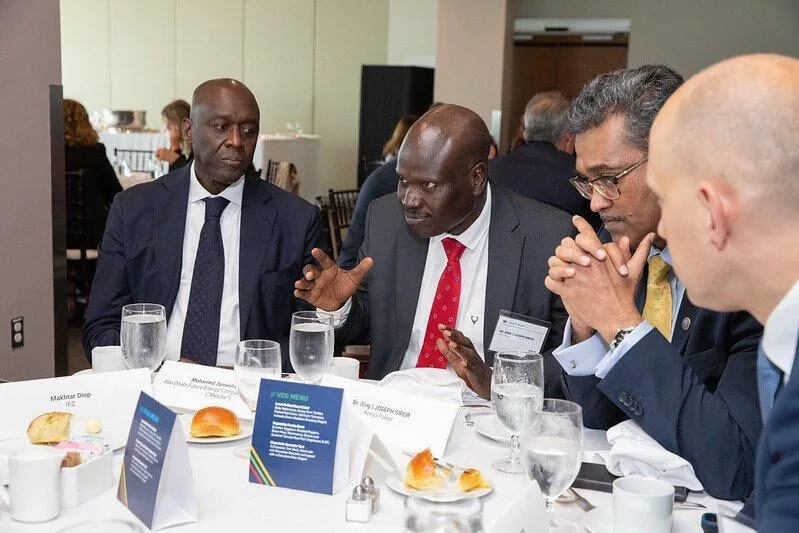
Nairobi, Kenya - Stronger policies, suitable financing, and access to technology are crucial for Kenya's transition from a linear to a circular economy, according to stakeholders at the 11th Annual Circular Economy Conference. Current gaps in policy implementation and financing are hindering businesses and communities from moving away from the traditional model of producing, using, and disposing of products.
Albert Wambugu, CEO of Hand in Hand Eastern Africa, emphasized the need for national and county governments to strengthen circular economy policies. He noted that adopting such policies could lead to the creation of more jobs than currently exist in these value chains. Financing, skills, and technology are also essential to help enterprises in the waste value chain grow, as circularity can turn discarded materials into income-generating resources, such as in the banana value chain.
Karin Boomsma, founder of the Sustainable and Inclusive Business Organization, stressed that policies are critical in creating a supportive environment for circular businesses. Without proper policies, businesses may not feel incentivized to invest in circular models, potentially slowing down the transition. Extended producer responsibility (EPR) regulations are helping to advance circularity, but businesses still face challenges in making circular models financially viable.
Rosemary Amondi, Senior Advisor for Strategy and Programs at the Aspen Network of Development Entrepreneurs, highlighted the importance of matching financing to the specific needs and maturity levels of circular enterprises. Many promising circular projects may not receive commercial capital because they are not yet profitable. Amondi suggested that some community-based projects might require grants instead of commercial debt or equity, emphasizing the need for financing models that balance both commercial and development objectives.
Stakeholders agreed that circularity could unlock opportunities in recycling, repair, refurbishment, remanufacturing, and recovery of agricultural and food waste.
Written by urgent.news from Capital Business's reporting — not their text. Machine-written — may contain errors; check the original before relying on it.
Also reported by 1 other outlet
- Kenya could tap green shipping boom to expand maritime economy – WSC capitalfm.africa