Sleep disruption increases preference for artificial intelligence
Waking up out of sync with your internal clock can cause social anxiety. A new psychological study finds this temporal misalignment makes people prefer being evaluated by artificial intelligence over human beings.
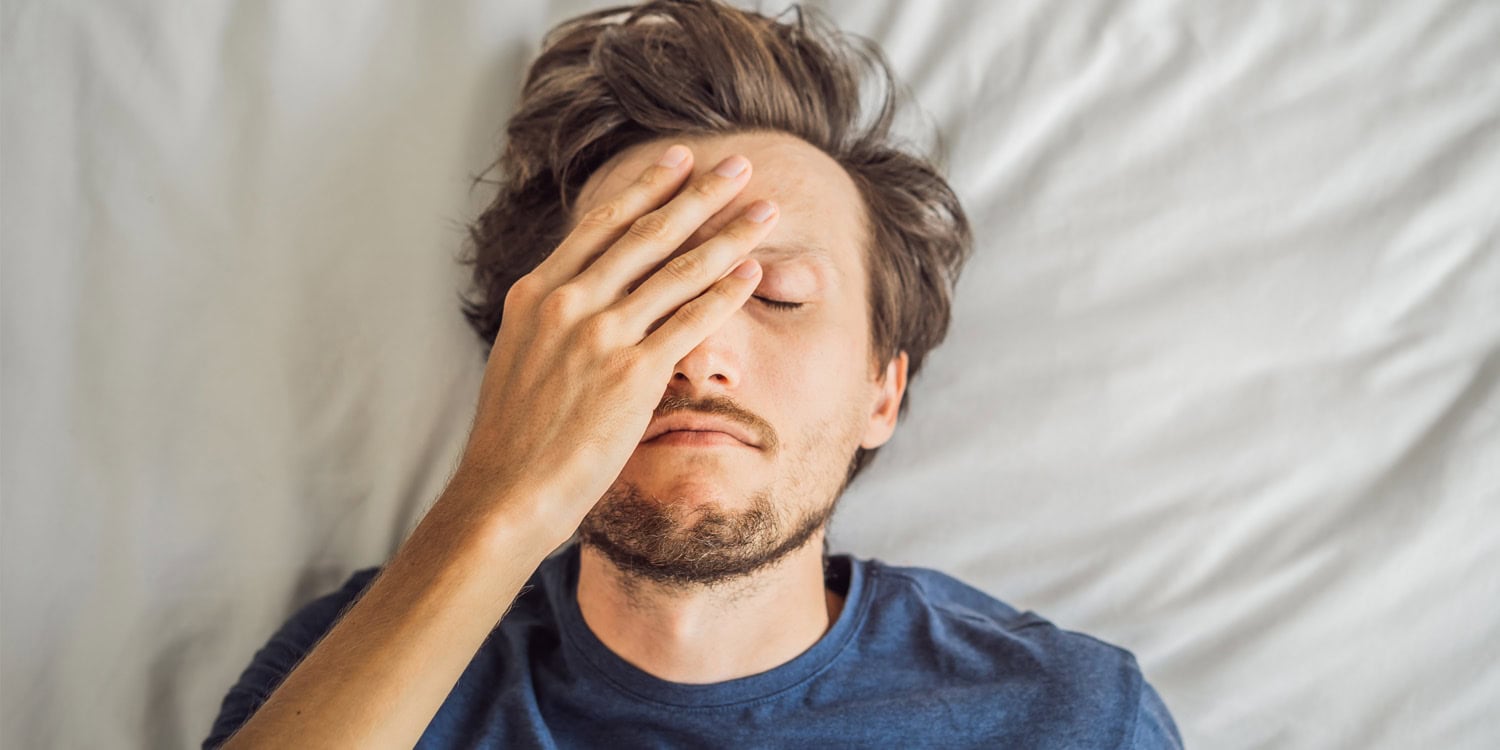
Sleep disruption caused by social jetlag, the phenomenon of a person's biological sleep cycle falling out of sync with their daily schedule, can lead to increased social anxiety. This anxiety may make people prefer to be evaluated by artificial intelligence instead of humans, according to recent research published in the journal Computers in Human Behavior.
The body operates on an internal clock that regulates sleep and wakefulness, but work, school, and social demands often clash with this natural rhythm. This misalignment, known as social jetlag, results in fatigue similar to jetlag experienced when traveling across time zones. This fatigue can disrupt emotional regulation and make people highly sensitive to others' perceptions.
Researchers from Sun Yat-Sen University conducted a series of experiments to understand how social jetlag influences human behavior in the digital age. They hypothesized that social jetlag induces social anxiety, making people more likely to prefer automated evaluations over human judgments. This preference may stem from viewing AI as consistent, objective machines, unlike humans.
In their first experiment, the researchers recruited 250 participants and assessed their chronotype, determining if they were primarily morning or evening types. Participants were then randomly assigned to complete a survey either in the morning or evening. Those who completed the survey out of sync with their natural chronotype displayed more symptoms of social jetlag.
In a second survey, participants chose between being evaluated by a human or an AI for a dating app. The socially jetlagged participants were much more likely to choose the AI evaluation.
The researchers found that greater social jetlag correlated with higher levels of social anxiety. This anxiety led to a preference for AI evaluations over human judgments. In a third study, the team confirmed that social jetlag specifically drove this preference. Participants' choices were not influenced by a desire to avoid people or prioritize efficiency.
The final study showed that the preference for AI evaluations depended on how the AI was portrayed – as objective and unbiased, socially jetlagged participants were more likely to favor its evaluations compared to those who viewed the AI as subjective and emotionally biased.
Written by urgent.news from PsyPost's reporting — not their text. Machine-written — may contain errors; check the original before relying on it.