Saudi coffee: A cup of hospitality, heritage and identity
RIYADH — As the world marks International Coffee Day on Oct. 1, Saudi Arabia’s relationship with coffee tells a story that goes far beyond the drink itself. One rooted in hospitality, regional traditions, agriculture and a cultural heritage passed down through generations.Saudi coffee occupies a distinctive place in the Kingdom’s social fabric. Traditionally among the first things offered to a…
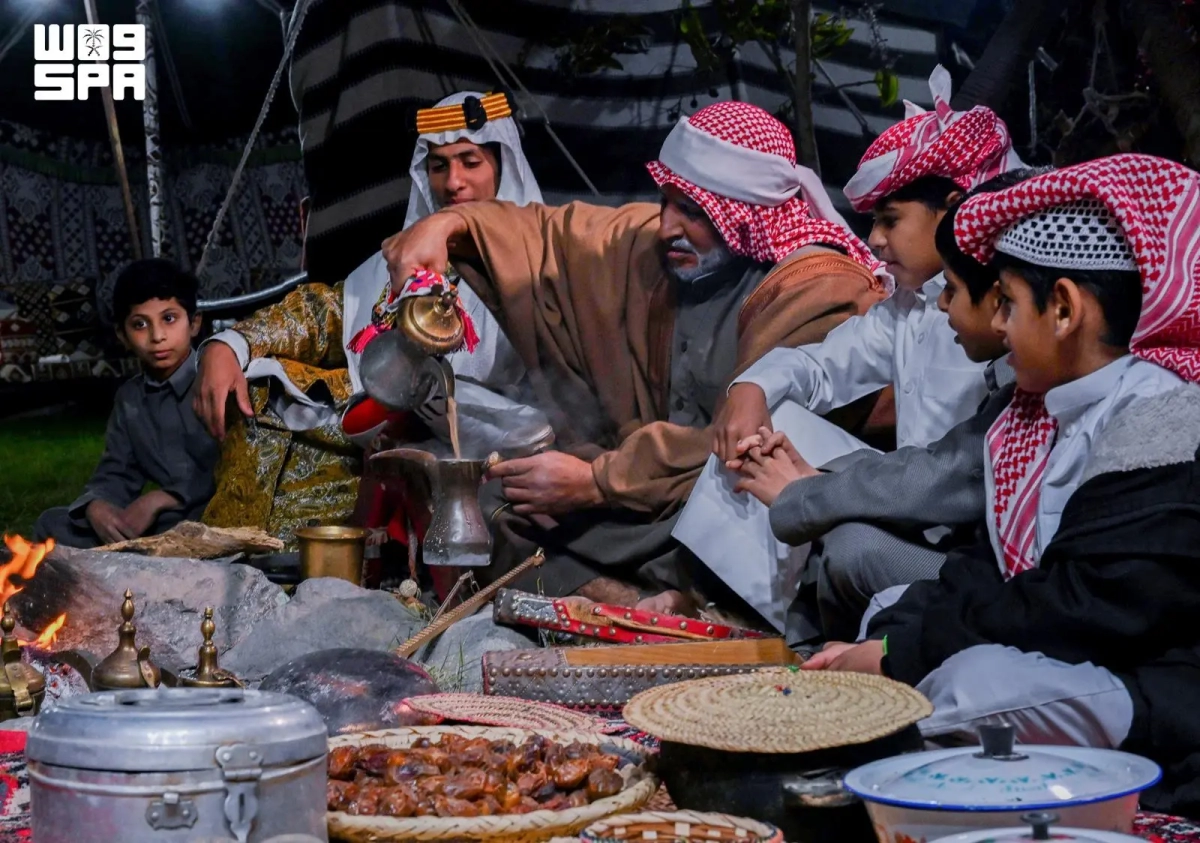
On International Coffee Day, Saudi Arabia's deep connection to coffee is revealed in a story that transcends the beverage itself. It is a tale steeped in hospitality, regional customs, agriculture, and centuries-old cultural heritage passed down from one generation to the next. In the Kingdom, coffee is a fundamental part of social fabric, often the first thing offered to guests, symbolizing generosity, welcome, and the majlis – a space where conversations, family gatherings, and social events are centered around cups of coffee.
In 2022, the Ministry of Culture designated the year as the "Year of Saudi Coffee," recognizing its vital role in Saudi culture. However, there is no standardized recipe for Saudi coffee. Preparation methods, ingredients, and roasting techniques can vary significantly across different regions of the Kingdom. For example, in Najd, it is customary to add cardamom and saffron, while in southern Saudi Arabia, cloves, ginger, and cinnamon may be incorporated into the mix.
In the Hail region, a blend of cardamom, saffron, and cloves is common, while in western parts of the Kingdom, the preparation often relies primarily on coffee beans and cardamom.
Despite these regional variations, the underlying traditions remain consistent. The color, aroma, and flavor of Saudi coffee reflect the diverse landscapes of the country while maintaining the core practices of preparation, pouring, and serving to guests. Modern tastes have also introduced new elements, such as milk or creamer, but the traditional cup is an enduring symbol of Saudi hospitality.
The agricultural story behind Saudi coffee is equally fascinating. The southern regions of the Kingdom have a long history of cultivating Khawlani coffee, a process that has been refined over generations. Farmers have gained expertise in growing, harvesting, and processing coffee beans, each step of which contributes to the journey from farm to cup.
Saudi Arabia has been actively promoting domestic coffee cultivation as part of its strategy to bolster local agricultural products, enhance production quality, and support farmers.
As Saudi coffee culture evolves in response to global trends, the focus has shifted towards specialty coffee, prompting increased interest in the origins of beans, roasting techniques, and the brewing methods used. Concurrently, questions about sustainability, farmer support, and supply chain integrity have gained prominence worldwide.
Within Saudi Arabia, these developments coexist with the traditional significance of coffee as a gesture of welcome. Coffee remains a powerful symbol of hospitality, with the dallah serving as an enduring representation of this custom. Through the generations, the preparation and service of Saudi coffee continue to connect individuals through customs that have adapted to modern life while preserving their historical roots.
On International Coffee Day, this tradition serves as a poignant reminder that in Saudi Arabia, coffee is not merely a beverage to be consumed. It is an expression of hospitality, carefully poured into a cup, embodying the rich cultural heritage, agricultural heritage, and social traditions that define the Kingdom.
Written by urgent.news from Saudi Gazette's reporting — not their text. Machine-written — may contain errors; check the original before relying on it.