Samsung raised prices on the Galaxy S26 by $100
The base Galaxy S26 with 256GB of storage costs nearly $1,000 after Samsung raised prices in the US by $100 or more, Phone Arena reports. The Galaxy S26 and S26 Plus were already $100 more expensive than their S25 predecessors when they launched earlier this year, which Samsung said RAM price hikes were partly to […]
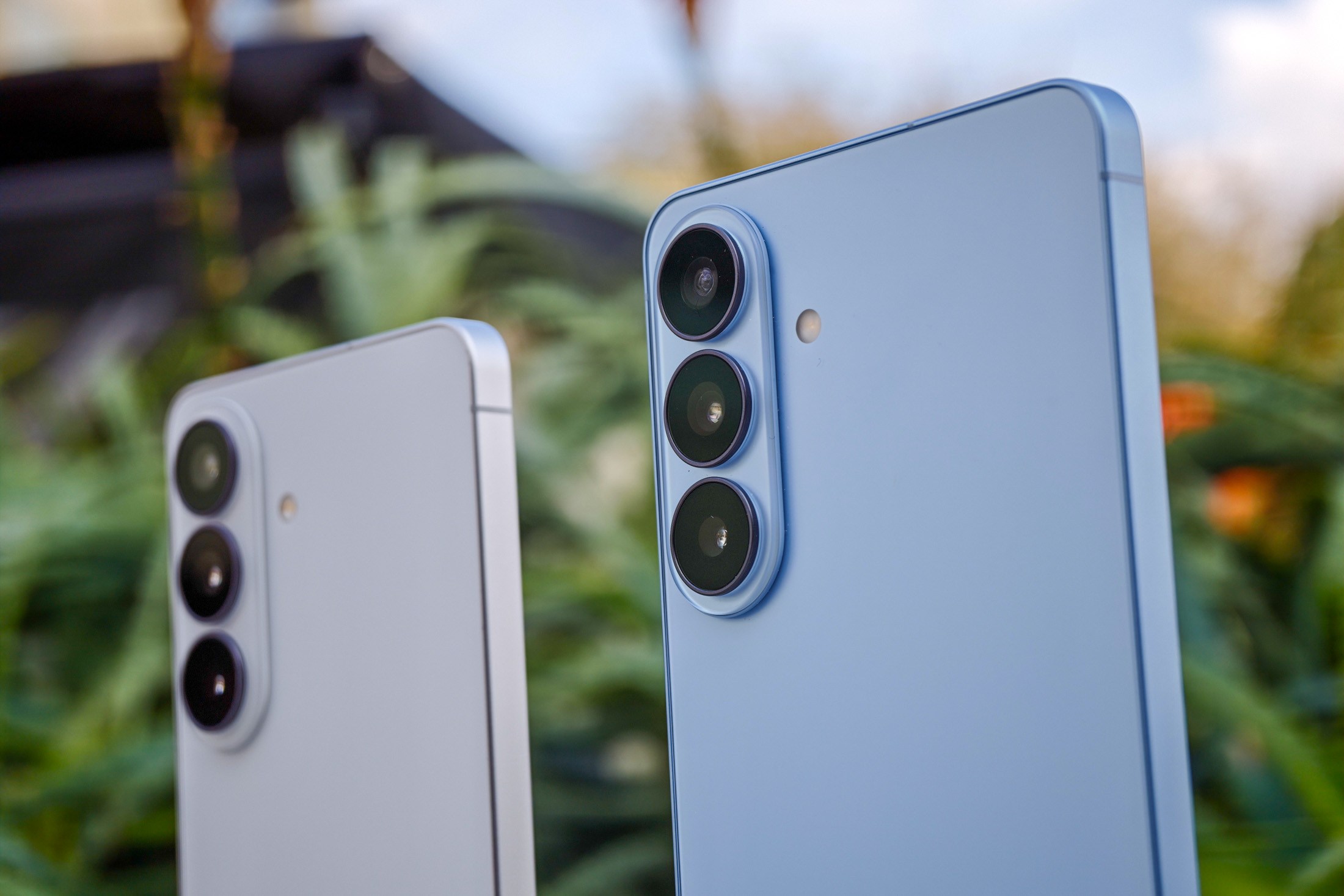
The Galaxy S27 series of smartphones is expected to experience price increases across all models, according to rumors circulating on Korean social media platform Naver. The most significant price increase of $100 has been reported for the Galaxy S27 Ultra, which would make it start at $1,400 instead of the current $1,300 price point.
This price rise is attributed to the escalating costs of memory, particularly RAM and storage components. The base price increase is estimated to be around 130,000 won, or roughly $95 at the current exchange rate. Storage upgrades are also expected to see a price hike, with the cost to upgrade from 256GB to 512GB increasing to $200, and a 1TB model from $600 extra compared to the 256GB model.
The Galaxy S27 Ultra is rumored to be heavier, weighing 218 grams (7.69 ounces), which is four grams more than the Galaxy S26 Ultra. The thickness remains unchanged at 7.9mm (0.31-inches). These additional grams may be due to the adoption of silicon carbon batteries, similar to those used in the Galaxy Z Fold 8 series, enabling more battery capacity within the same size.
The battery is reported to be 5,700 mAh, up from the 5,000 mAh battery in the S26 Ultra. Additionally, the phone may incorporate magnets on the back for full Qi2 wireless charging compatibility, potentially adding a few grams to its overall weight. The Galaxy S27 series is anticipated to launch in early 2027.
Written by urgent.news from Tom's Guide's reporting — not their text. Machine-written — may contain errors; check the original before relying on it.
This story
This is one outlet's version. Read the fullest account.