Russian diesel exports via the Black Sea fall to zero for the first time on record
Russian exports of diesel fuel and gasoil through the Black Sea fell to zero in the week ending Sept. 24, the first such occurrence since records began, according to data from S&P Global Commodities at Sea that were reviewed by The Insider . A week earlier, 66,000 metric tons of fuel were shipped from the port of Novorossiysk, while in 2025 Black Sea ports exported an average of about 200,000…
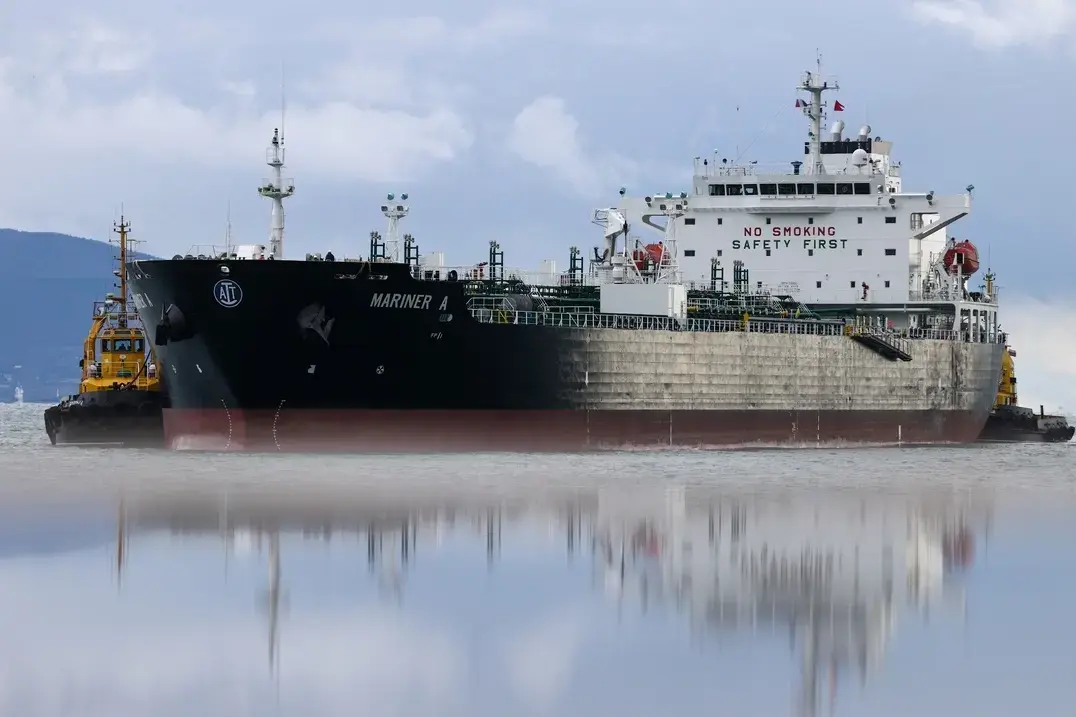
Russian diesel fuel exports through the Black Sea ceased in the week ending September 24, marking the first time on record that the nation exported no diesel via this route, according to S&P Global Commodities at Sea. Prior to this, 66,000 metric tons of fuel had been shipped from Novorossiysk port, while Black Sea ports typically exported about 200,000 tons weekly in 2025.
Russia's seaborne diesel and gasoil exports dwindled to 81,000 tons that week, down from 448,000 tons during the previous period from September 1 to September 24. Primorsk port alone handled all these exports, destined for Morocco and Venezuela. From the start of September until September 24, Russia shipped a total of 448,000 tons of diesel and gasoil by sea, compared to 535,000 tons in August and 713,000 tons in July.
Russian ports also halted the shipment of gasoline and jet fuel for two consecutive weeks. The Black Sea has grown riskier for shipping, with the Joint War Committee expanding its high-risk zone to encompass most of the Sea, excluding Turkish, Romanian, Bulgarian, and Georgian waters. This change coincided with a surge in threats to shipping, with 45 commercial vessels attacked outside the previous risk zone in the past year, compared to none during the preceding 12-month period.
Marine insurance costs have risen, with a $2.90-per-barrel surcharge added for loading oil at Black Sea ports, up from $0.90 per barrel at the end of 2025. Russian diesel exports to Turkey, Morocco, and Venezuela were suspended, while Turkey was the primary destination prior to the restrictions. Meanwhile, Russia is curbing its own fuel exports, extending a ban on diesel shipments by producers through the end of October, although shipments under intergovernmental agreements remain unaffected.
The government cites high seasonal demand and supplies for domestic use as reasons for the measure. Additionally, Ukrainian attacks on Russian oil refineries have tightened fuel export restrictions, with seaborne petroleum product exports dropping nearly 22% in July, reaching their lowest levels since S&P began tracking the data in 2016.
Written by urgent.news from The Insider's reporting — not their text. Machine-written — may contain errors; check the original before relying on it.