Russia and five CIS countries agree to share data on “extremists and terrorists”
On Sept. 30, the offices of the Prosecutors General of Russia, Belarus, Kazakhstan, Kyrgyzstan, Tajikistan, and Uzbekistan signed an agreement on countering terrorism and extremism. The move is officially intended to facilitate the prompt exchange of intelligence on organizations, groups, and individuals that the parties consider a threat to state security. The parties will also exchange…
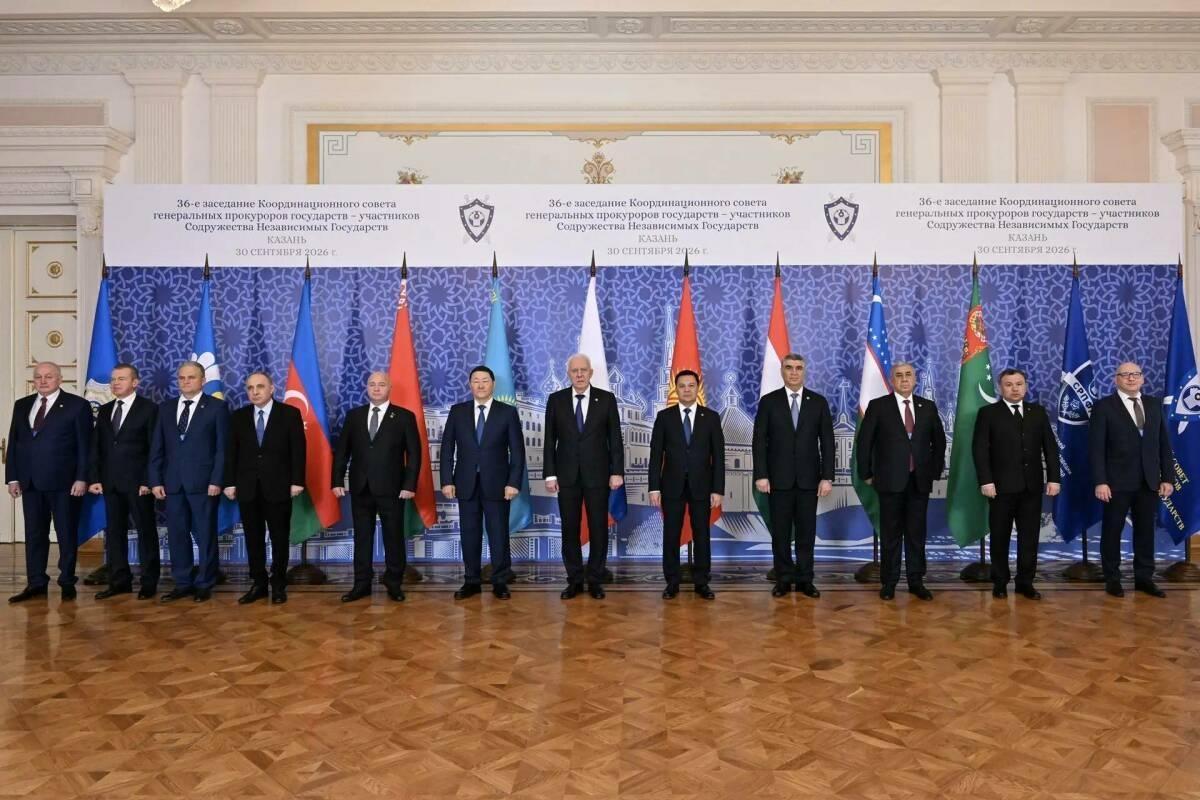
On September 30, the Prosecutors General offices from Russia, Belarus, Kazakhstan, Kyrgyzstan, Tajikistan, and Uzbekistan united to sign an agreement aimed at combating terrorism and extremism. The primary objective of this agreement is to facilitate a swift exchange of intelligence on entities or individuals deemed threats to national security.
Alongside this, they will also share data about terrorist and extremist groups, criminal formations, potential mass casualty attacks, illegal migration, and human, weapon, and drug trafficking.
A separate provision in the agreement covers the transfer of data on foreign terrorist fighters and their relatives. The agreement came into effect upon its signing, and the prosecutor's offices of other CIS countries have been given the option to join. According to Tatar-Inform, citing the CIS Coordinating Council of Prosecutors General, the agreement also emphasizes cooperation on extradition and legal assistance between nations. This detail was not mentioned in other available descriptions of the new document.
The agreement is seen as an updated version of a pact concluded on May 25, 2006, concerning terrorism and "other forms of extremism." The secretariat of the CIS Coordinating Council of Prosecutors General reported on the preparation of this updated version in April. A significant difference between the two agreements is that the 2006 one explicitly stated it "does not affect issues of extradition and legal assistance in criminal cases."
The updated agreement now covers six signatories: Russia, Belarus, Kazakhstan, Kyrgyzstan, Tajikistan, and Uzbekistan. It also includes provisions for exchanging experiences in combating the misuse of the internet and artificial intelligence for terrorist means, deradicalizing individuals involved in such activities, and strategies to prevent youth recruitment into terrorist or extremist groups.
Written by urgent.news from The Insider's reporting — not their text. Machine-written — may contain errors; check the original before relying on it.