Research reveals major impact of climate change on skin health worldwide
More than 40% of countries worldwide have reported climate-related changes in the prevalence, severity or both of skin disease, with lower-income countries disproportionately affected, according to an international study spanning 136 countries.

An international study involving 136 countries has found that more than 40% of countries have reported climate-related changes in the prevalence and severity of skin disease. Lower-income countries are disproportionately affected by these climate impacts on skin health. The study, presented at the European Academy of Dermatology and Venereology (EADV) Congress 2026, involved representatives from 194 WHO member countries and aimed to raise awareness of the global scope and clinical implications of climate-related skin disease.
Key findings include that 42.6% of countries reported changes in skin disease prevalence, severity, or both due to climate change, with higher rates in lower-income countries. Low-income countries (55.6%) and lower-middle-income nations (52.5%) reported significantly higher percentages of climate-related changes in skin disease compared to higher-income countries (43.8% and 28.3%, respectively).
Geographic disparities were also evident, with the Western Pacific Region reporting the most frequent changes (64.7%), followed by Eastern Mediterranean and South-East Asian regions (both 60.0%), while European Region reported changes in only 16.1% of cases.
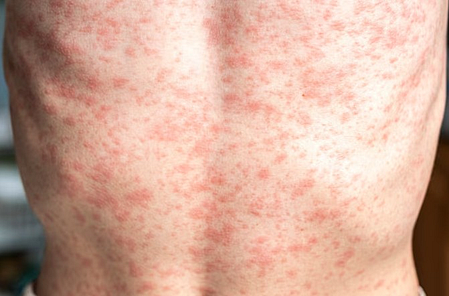
Among the 58 countries reporting climate-associated effects on skin disease, 81.0% noted increases in heat rashes and 75.9% saw increases in inflammatory skin diseases. Infectious diseases, including changes in vector-borne diseases, were reported in 62.1% of the countries surveyed. Dr. Esther Freeman, the study's author, emphasized that skin health is a critical component of climate-health preparedness, as our skin serves as a frontline defense against climate change.
The study highlights the global inequality, as lower-income countries contribute the least to climate change but are more likely to experience climate-related dermatological changes, despite having limited resources to adapt.
Written by urgent.news from Medical Xpress's reporting — not their text. Machine-written — may contain errors; check the original before relying on it.