RBA relaxed about housing downturn, deeply worried by AI and bonds
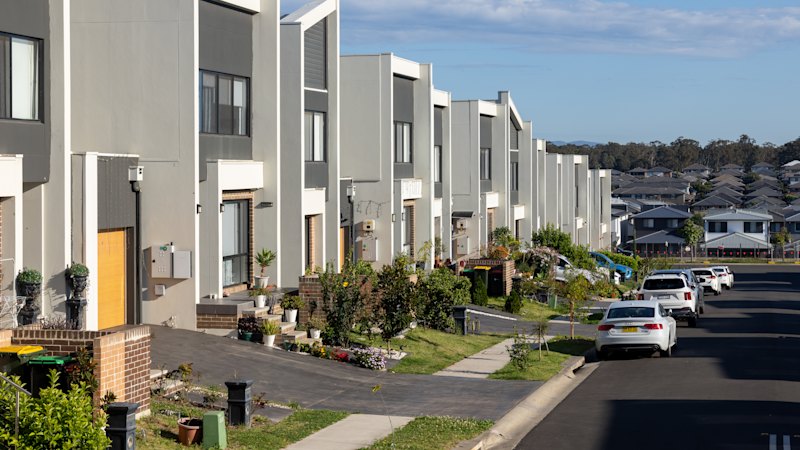
Despite Australia's rapid housing downturn, which threatens to be the worst in decades, the Reserve Bank believes the main threats to the nation's financial stability come from overseas.
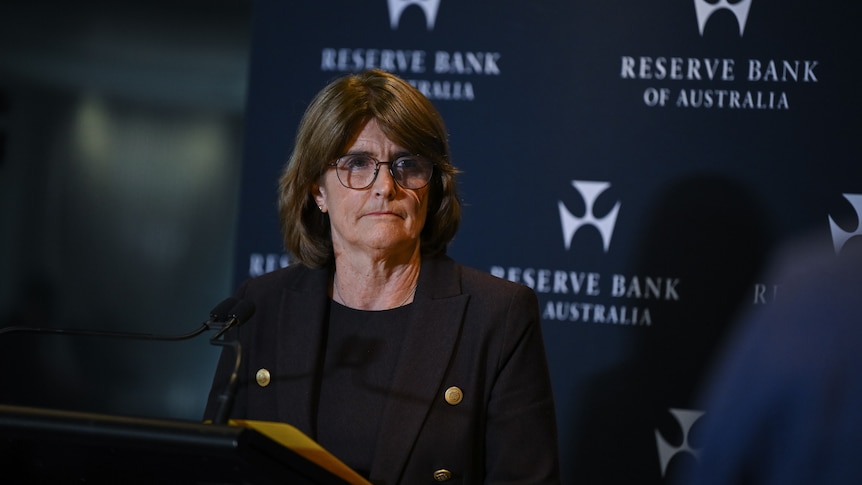
Despite Australia experiencing a housing downturn, the Reserve Bank of Australia (RBA) remains relatively unalarmed, expressing greater concern over artificial intelligence (AI) and bonds. The bank's latest half-yearly Financial Stability Review (FSR) highlights that the primary risks to the nation's financial stability stem from overseas threats.
While Australian households are among the world's most indebted, recent improvements in real household disposable income and borrowers' ability to manage mortgage repayments have bolstered resilience.
At the end of June, less than 2% of variable-rate owner-occupier mortgage borrowers faced a cash flow shortfall, and the bank projected this figure might only slightly increase. Borrowers generally possess offset or redraw buffers capable of covering more than a year of mortgage repayments. Furthermore, only a scant 1% of borrowers are in negative equity, owing more on their loan than their home's market value.
The RBA forecasts that even in a very adverse scenario, where unemployment rises to 6.3%, inflation nearly doubles, and the cash rate surges to 5.6%, only 5% of mortgage borrowers would be at higher risk of defaulting on their loans—similar to levels observed in 2023.
While the RBA remains relatively complacent about Australia's housing situation, it warns of mounting threats to international financial stability. Factors such as global conflicts disrupting supply chains, rapid technological advancements, and climate change-induced severe weather events pose significant risks. The bank also expresses apprehension over the potential AI bubble bursting, which could have far-reaching financial consequences.
Low risk premia in major equity and credit markets may sharply increase in response to adverse shocks, creating a disorderly financial environment.
The AI industry itself raises concerns, given its increased reliance on off-balance sheet arrangements to finance large projects and the presence of opaque financial obligations. The RBA highlights potential vulnerabilities to AI-driven cyber attacks and market risks surrounding herd behavior and market correlation as AI agents play a more significant role in investment decisions.
Additionally, hedge fund repo debt nearing record highs of over $US3 trillion, equivalent to about 10% of the US GDP, could lead to increased volatility and a potential disruptive sell-off in core bond markets, which are integral to the global financial system. Australia may not be entirely immune to these global risks if international funding conditions tighten abruptly.
Written by urgent.news from ABC News AU's reporting — not their text. Machine-written — may contain errors; check the original before relying on it.