Ramaphosa’s new GBVF measures face familiar question: what will change?
Civil society and political parties have welcomed parts of President Cyril Ramaphosa’s latest GBVF plan but warn that safety audits, forensic reforms and case reviews will mean little without funding, transparency and consequences for failure.
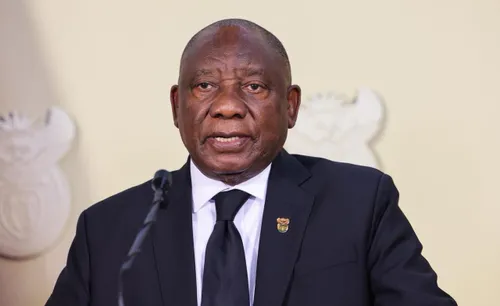
President Cyril Ramaphosa's latest pledge to address gender-based violence and femicide (GBVF) has sparked fresh criticism from civil society and political parties, questioning whether anything meaningful will change this time around. His announcement of municipal safety audits, encompassing tasks like repairing streetlights, clearing public spaces, and addressing other hazards, has drawn particular scrutiny from groups working with victims.
These groups argue that basic failures that leave women vulnerable should not be repeatedly presented as new interventions. Amnesty International South Africa's Executive Director, Shenilla Mohamed, highlighted that these four measures follow seven years of demands from women for action on the crisis, emphasizing that timelines must result in action and consequences for failure.
The audits ordered by the president should be made public, municipalities held responsible for unsafe public spaces, and femicide should be codified as a crime, Amnesty International argues. Sihle Sibisi, founder of the Kwanele Foundation, noted the speech's failure to address resource shortages faced by communities and organisations directly dealing with victims, questioning why the government continues holding high-level meetings while organisations struggle for resources.
She also criticized the emphasis on municipal maintenance, stating that calls to cut grass and fix traffic lights do not constitute a new response to the crisis. The International Women’s Forum South Africa, GBVF Response Fund, and Graça Machel Trust welcomed the president's address but emphasized that the announcements could not be seen as the end of the response.
They stressed that the measures must be backed by capacity, resources, and accountability, with sustainable funding across various sectors, with progress publicly tracked. Political responses echoed this demand for delivery, with African Transformation Movement leader Vuyo Zungula questioning whether previous government plans and funding announcements have satisfied the public.
DA leader Geordin Hill-Lewis challenged the gap between government announcements and women's experiences in their communities, emphasizing the need for stronger municipal law-enforcement capacity and greater visibility in crime hotspots.
Written by urgent.news from IOL's reporting — not their text. Machine-written — may contain errors; check the original before relying on it.