QR Codes Explained: How They Work and Why They're Everywhere
QR codes were built to track car parts, written off as a gimmick, then rescued by phone cameras. Now they're everywhere. Here's how they work, what's changed, and what to watch out for. Read Entire Article
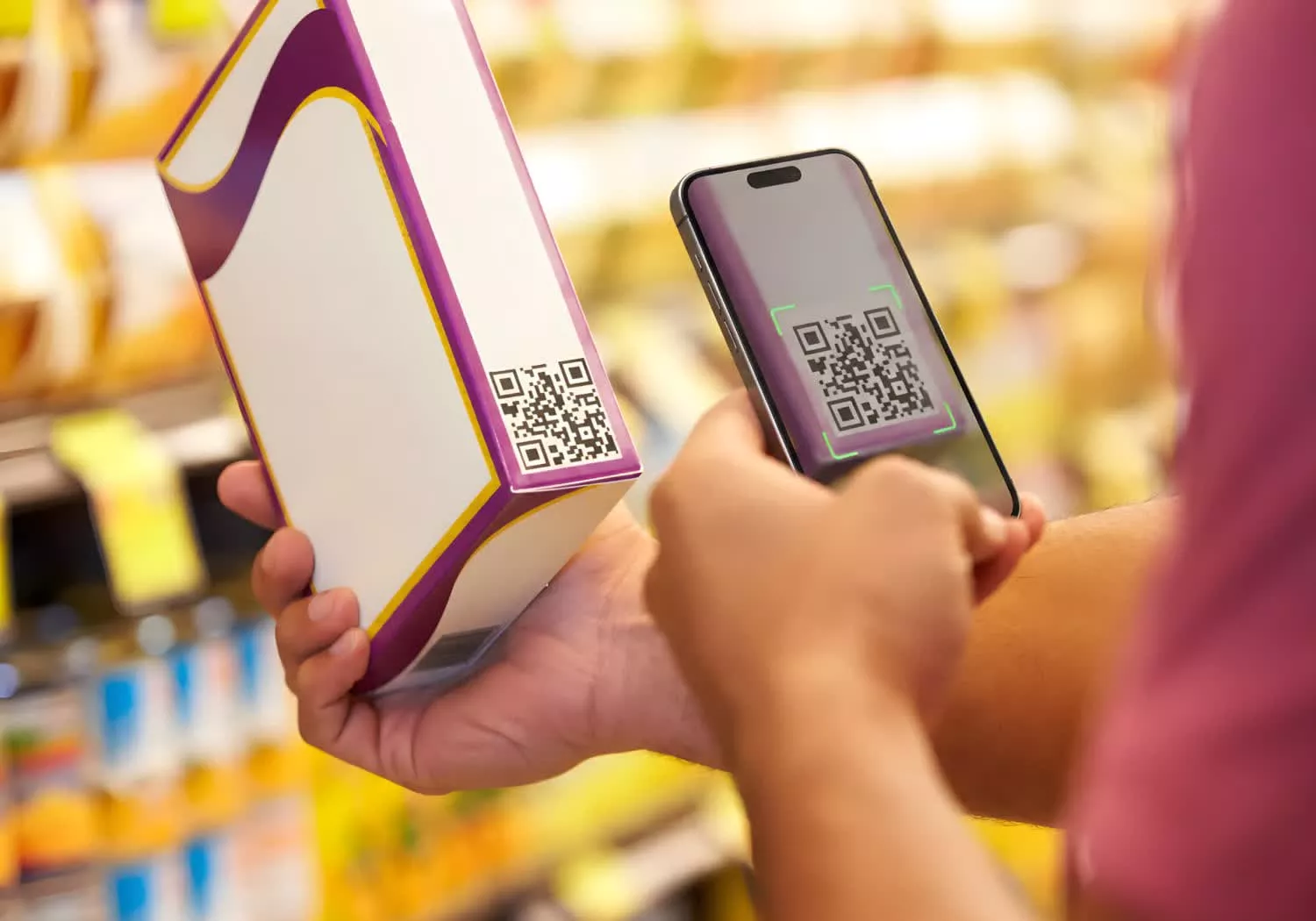
QR codes, short for Quick Response codes, were devised in 1994 by Denso, a Toyota parts supplier, to enhance production efficiency on their vehicle assembly lines. The concept aimed to store more data than traditional barcodes in a two-dimensional format, which could be scanned faster. It took nearly a decade for QR codes to transition from factory use to broader applications.
Today, QR codes are ubiquitous, used for various purposes, including Wi-Fi connections, website access, contact sharing, mobile payments, eSIM activation, and even air travel tickets.
The inception of QR codes can be traced back to Masahiro Hara, a Denso engineer, who led a team in 1992. Hara drew inspiration from the Go board game, where a grid of black and white stones could encode substantial information in a compact space. The team focused on creating a two-dimensional pattern that could hold significantly more data than a single row of bars.
They discovered that a specific black-to-white ratio, 1:1:3:1:1, nearly impossible to replicate by accident, would make for effective QR codes. This ratio formed the basis for the distinctive corner patterns in every QR code, aiding scanners in quickly locating and reading the code.
Internationally standardized in 2000 as ISO/IEC 18004, QR codes gained widespread adoption in Japan by 2002, with Denso Wave retaining patents over the technology. However, the technology is freely usable, provided the defined ISO/JIS standards are adhered to. QR codes are scanned using a camera, such as the one in a smartphone, converting the pattern into binary data. This binary data then displays information or triggers a programmed action, essentially allowing real-world objects to be hyperlinked to digital content.
Adoption of QR codes outside of Asia was initially slower, often requiring the installation of dedicated apps. However, popular apps began integrating QR code scanners for specific functionalities. By 2016, social media platforms such as Snapchat, Facebook Messenger, and Twitter adopted QR codes for adding friends, WhatsApp used them for accessing the desktop version of its chat, and Android integrated QR scanning into its camera app with iOS 11.
The COVID-19 pandemic further propelled QR codes into the mainstream, with restaurants replacing printed menus with QR codes, governments implementing QR check-in systems, and vaccination certificates being issued as QR codes. By 2022, QR codes had become fully mainstream, with even high-profile campaigns like Coinbase's Super Bowl ad featuring QR codes.
The QR code consists of black and white modules, with each module representing a single binary digit. While some modules encode data, others serve as error correction, forming a zigzag pattern that aids scanning and ensures functionality even when damaged. The size of a QR code can vary, with version 1 being the smallest at 21x21 modules, and version 40 being the largest at 177x177 modules. Each version adds four modules per side, substantially increasing the data storage capacity.
Written by urgent.news from TechSpot's reporting — not their text. Machine-written — may contain errors; check the original before relying on it.