Obi: Nigeria’s Problem Is Leadership Failure, Not Lack of Resources
• Says over 140m Nigerians live in poverty, 18m children out of school Sunday Aborisade in Abuja The presidential candidate of the Nigeria Democratic Congress (NDC), Mr Peter Obi, on
Peter Obi, the presidential candidate of the Nigeria Democratic Congress (NDC), has declared that Nigeria's greatest challenge is not a lack of resources, but the failure of leadership to effectively utilize the country's abundant wealth for human development, productivity, security, and shared prosperity. Obi made these remarks in his Independence Day address, marking Nigeria's 66th anniversary.
He highlighted the country's struggle with poverty, insecurity, hunger, unemployment, poor healthcare, and a large population of out-of-school children, despite its vast human and natural resources. Obi urged Nigerians to critically examine the country's progress since independence and whether it is still moving towards its founding fathers' vision.
He posed three fundamental questions: where Nigeria stands today, where it wants to be, and how to achieve that goal. Obi listed poverty, out-of-school children, insecurity, hunger, maternal and infant mortality, unemployment, and substance abuse as major challenges confronting the nation. He claimed that over 140 million Nigerians live in poverty and that more than 18 million children are out of school.
The NDC candidate also stated that over 35 million young Nigerians are unemployed or underemployed, and over 40 million could face extreme hunger by the end of 2026. Concerning insecurity, Obi cited terrorism, banditry, kidnapping, drug abuse, and substance misuse as significant issues affecting Nigerians. He emphasized that Nigeria's life expectancy is 54 years, far below the global average of 74 years.
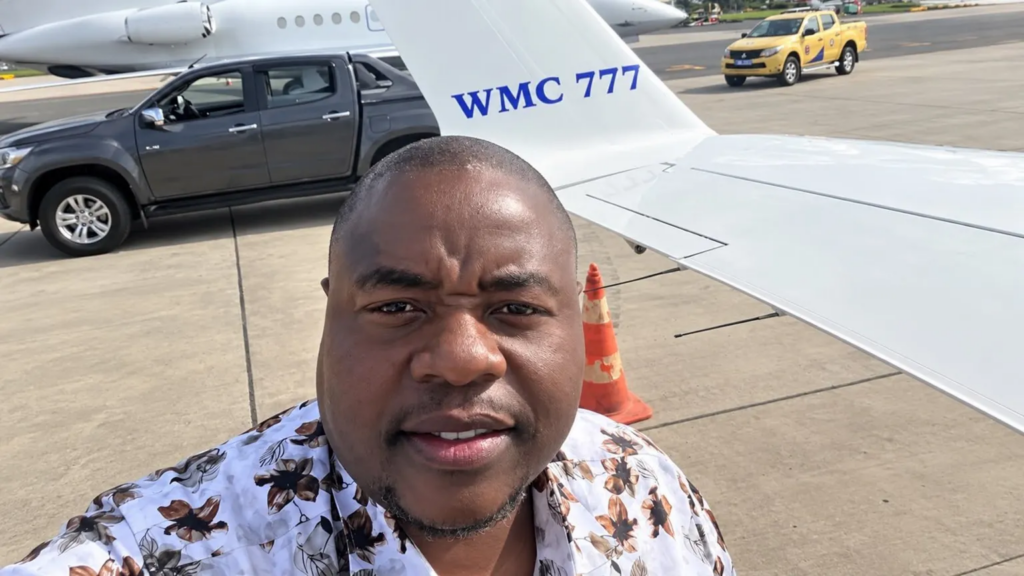
Rejecting the notion of Nigeria being inherently cursed, Obi insisted that the country is "immensely endowed and blessed." He visited Sokoto State to consult with people on various issues, including insecurity, out-of-school children, poverty, youth unemployment, and drug abuse. Their visit to an IDP camp in Sokoto metropolis revealed the deplorable conditions of displaced women and children, who lacked access to education and basic healthcare.
Obi accused political leaders of failing the country and its children, asserting that the situation must change. He pledged to make governance measurable and accountable, prioritizing the welfare and productivity of Nigerians. If elected, Obi would address insecurity to enable farmers, children, and businesses to resume normal activities.
He also promised to facilitate the safe and dignified return of displaced Nigerians to their communities. On the economy, Obi aimed to transition Nigeria from a consumption-driven economy to a productive one, creating jobs, expanding opportunities, supporting agriculture and manufacturing, and investing in human capital. He promised to prioritize education, healthcare, security, and productive enterprise.
As a unique pledge, Obi stated that if elected, he would spend his presidential holidays within Nigeria, visiting states like Zamfara, Borno, Kwara, Ebonyi, and Ekiti, to understand and connect with Nigerians.
Written by urgent.news from This Day's reporting — not their text. Machine-written — may contain errors; check the original before relying on it.