Novel GIP/GLP-1 Yields Uneven Findings in Diabetes Patients With Obesity
(MedPage Today) -- An investigational dual GIP/GLP-1 agonist achieved modest weight loss in adults with type 2 diabetes and obesity, the phase III SYNCHRONIZE-2 trial showed, but tolerability remains a concern. Participants taking 3.6 mg and 6...
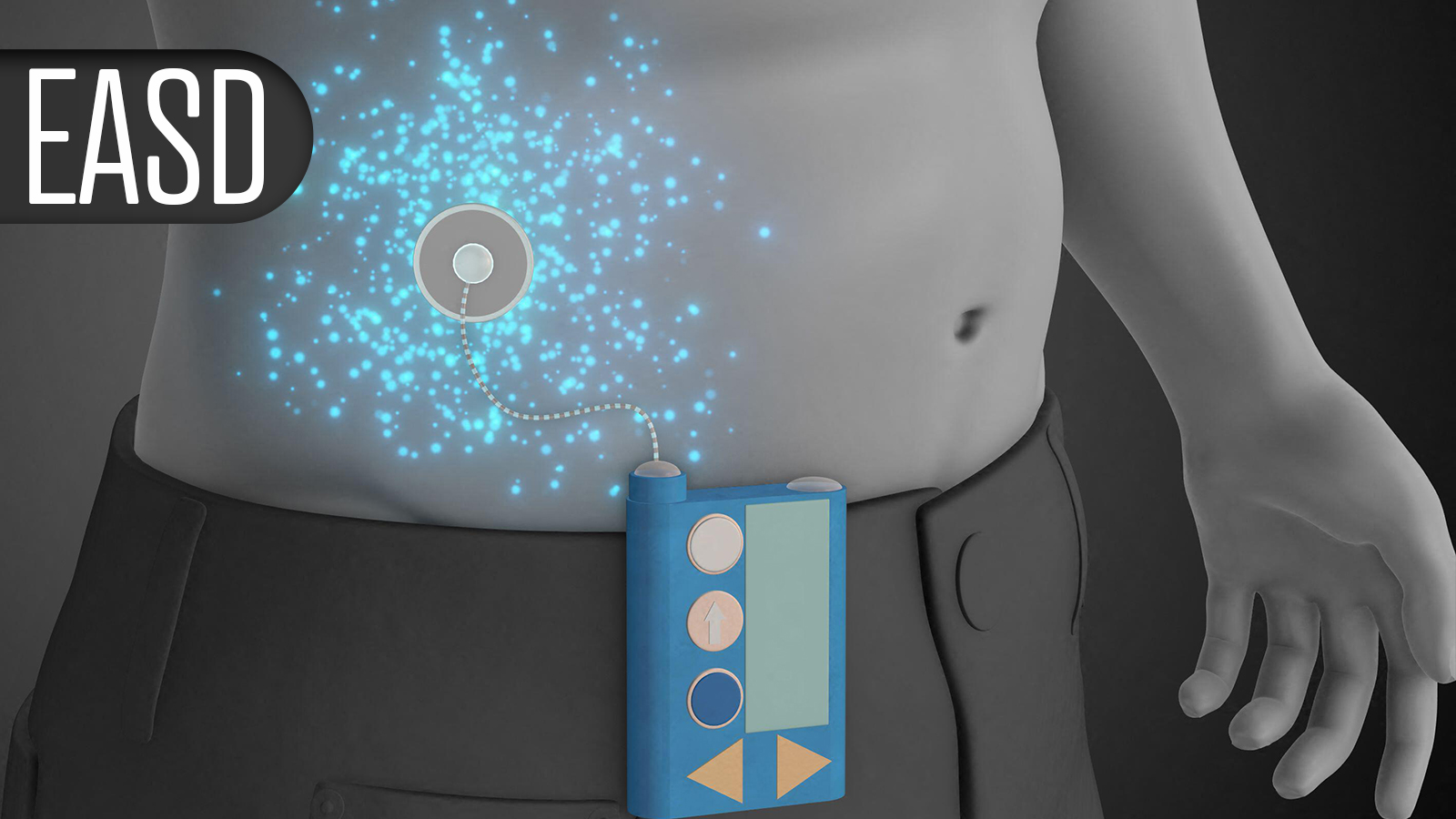
The SYNCHRONIZE-2 trial investigated a new dual GIP/GLP-1 agonist, survodutide, in adults with type 2 diabetes and obesity. Participants who received 3.6 mg and 6 mg of survodutide experienced averaging 8.2% and 9.8% body weight loss, respectively, compared to 3.9% in the placebo group. At least 5% weight reduction, a clinically significant threshold, occurred in 57.6%, 64.5%, and 35.1% of participants in the survodutide and placebo groups, respectively.
Mean HbA1c levels decreased by 0.9, 0.8, and 0.2 percentage points in the 3.6-mg, 6-mg, and placebo groups, respectively. The treatment also improved cardiometabolic parameters like systolic blood pressure, waist circumference, and lipids. However, tolerability issues were noted, with gastrointestinal adverse events occurring in 73%-78% of survodutide groups, compared to 38.6% in the placebo group.
These events led to discontinuation in 18% of participants in both treatment groups, versus 1.2% in the placebo group. Overall, discontinuation rates due to gastrointestinal events were higher with survodutide than with comparable agents. The trial's findings, published in the New England Journal of Medicine, were presented at the European Association for the Study of Diabetes (EASD) annual meeting.
Despite lower weight loss and HbA1c reduction compared to other agents, Boehringer Ingelheim plans to explore more patient-centered titration strategies in future trials to enhance tolerability.
Written by urgent.news from MedPage Today's reporting — not their text. Machine-written — may contain errors; check the original before relying on it.