No more veto power? No way!
When it takes the holders of an entrenched privilege to partake in an effort to remove that privilege, it’s a fool’s errand.
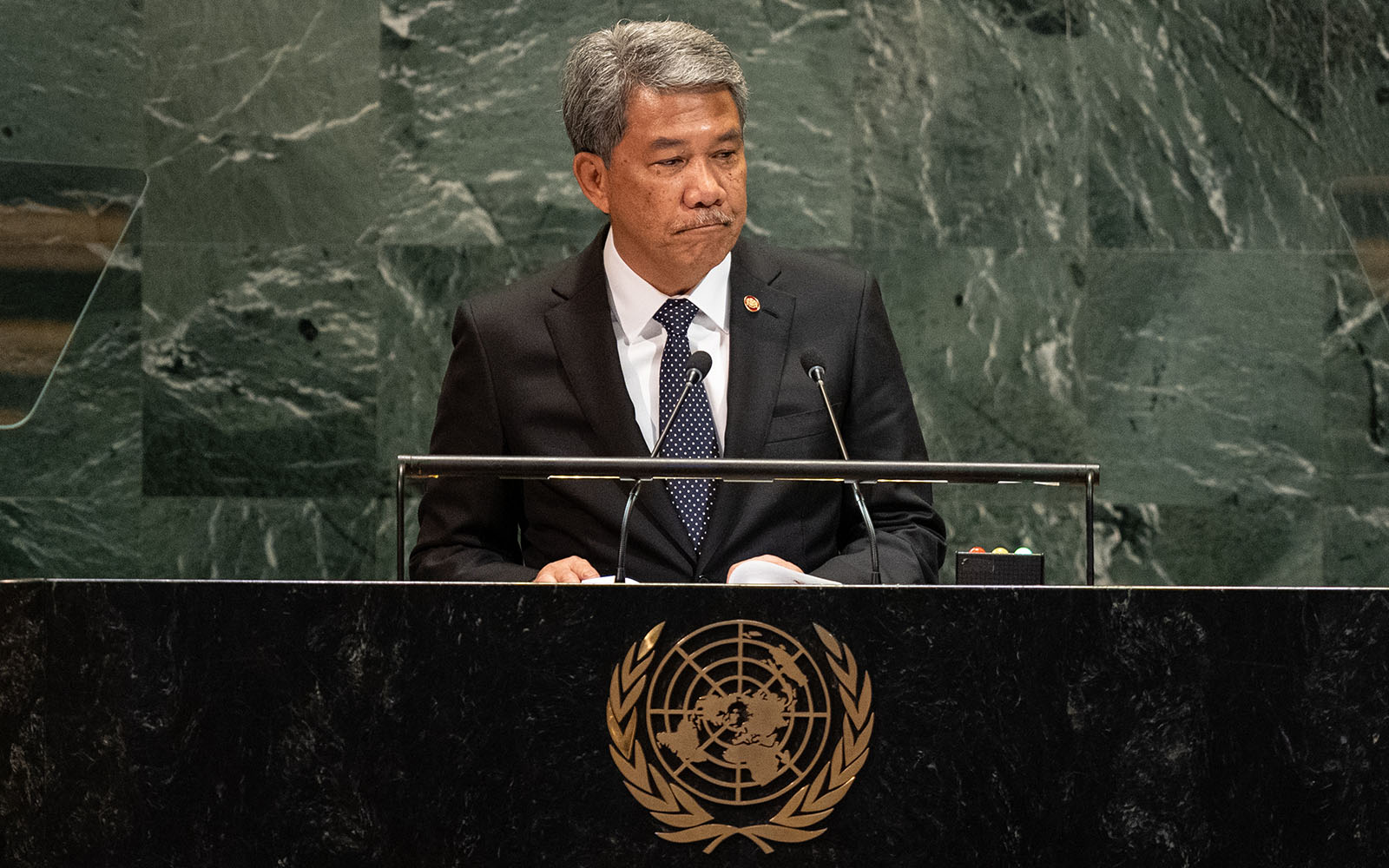
Malaysia’s foreign minister Mohamad Hasan has urged the reconsideration and potential abolition of the UN Security Council’s veto power. The existing five permanent members – China, France, Russia, the United Kingdom and the United States – continue to wield powers unavailable to other members. While expanding the Security Council may enhance representation, abolishing the veto is practically difficult given the entrenched political arrangement.
Changing the UN Charter necessitates ratification by all UN members, including the permanent five powers who benefit from the veto. This creates a paradox where the very countries that hold the veto can block any attempt to abolish it. The veto protects the national interests of the permanent members, but overuse can weaken the institution itself.
Strengthening mechanisms that scrutinize vetoes, particularly in cases of genocide or crimes against humanity, can impose a political cost on permanent members. The UN General Assembly should increasingly challenge the Security Council's paralysis. Middle powers like Malaysia should continue advocating against the permanent system of great power privilege. While formal abolition is unlikely, constraining the political use of the veto is feasible.
Written by urgent.news from Free Malaysia Today's reporting — not their text. Machine-written — may contain errors; check the original before relying on it.
This story
This is one outlet's version. Read the fullest account.
- No more veto power? No way! freemalaysiatoday.com