Nigeria’s economy grows over 4% in 2026 – Tinubu
According to the president, the oil and non-oil sectors contributed to the growth, with improved foreign exchange stability, lower inflation, and stronger non-oil exports. The post Nigeria’s economy grows over 4% in 2026 – Tinubu appeared first on Premium Times Nigeria .
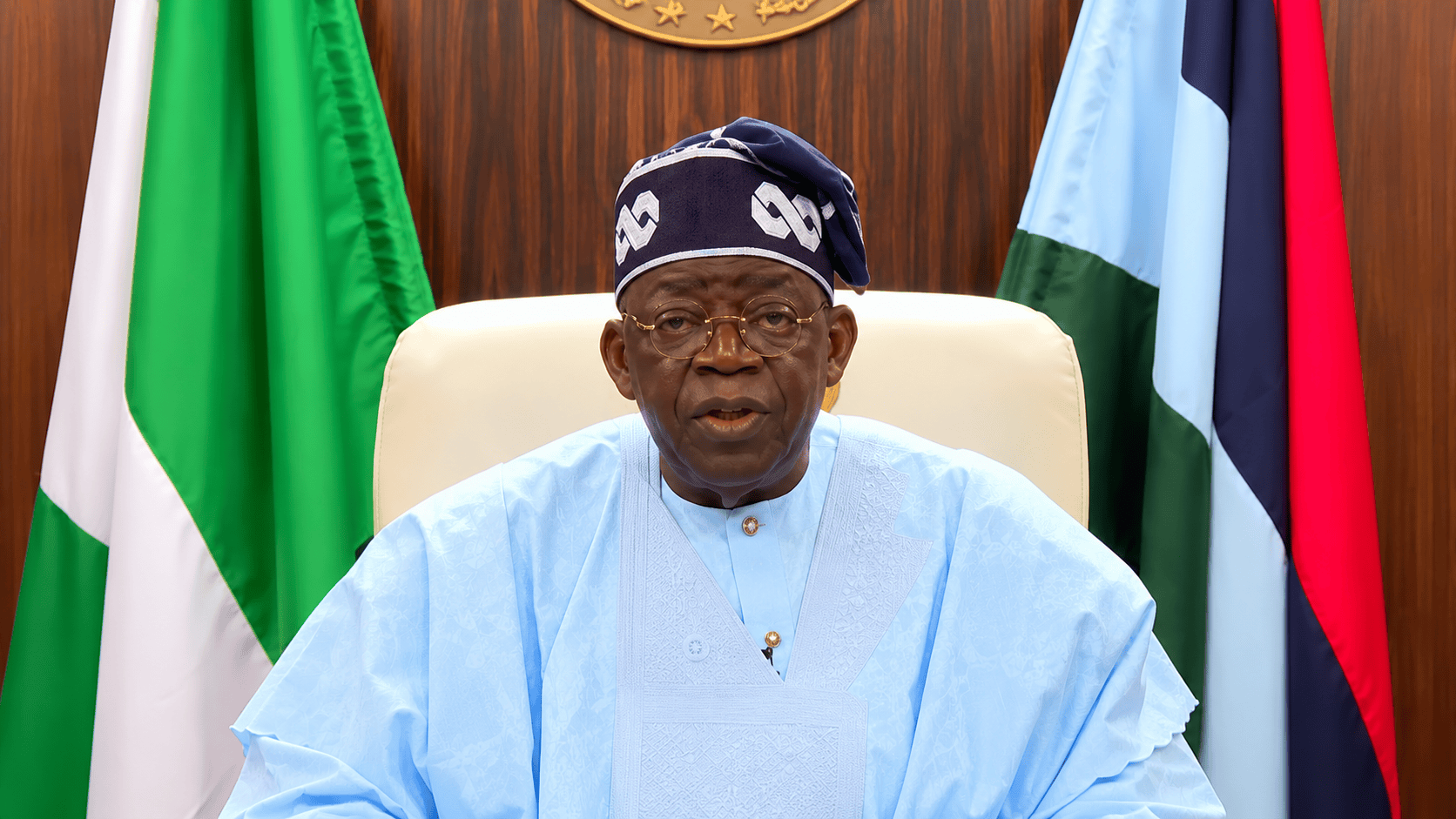
President Bola Tinubu declared in his Independence Day message that Nigeria had successfully navigated through a period of economic reforms and that prosperity was on the horizon for the nation and its people. In his message titled "From Reform to Prosperity," he defended the economic policies of his administration and urged Nigerians to remain committed to the upcoming phase of growth.
Tinubu described the painful reforms as a necessary step in correcting the country's economic direction, much like a cancer patient undergoing treatment for underlying issues rather than just managing symptoms. He likened the nation to passing through its own "Red Sea," emphasizing that the tough period was over and that a new era of prosperity was beginning.
He urged the populace to focus on the future rather than questioning the sacrifices made during the reform phase, declaring that the country had "passed through our own Red Sea" and was now on a clear path forward. Tinubu noted that the reforms were designed to address the root causes of economic problems, not merely their symptoms, likening the administration's approach to excising a cancer rather than merely administering morphine.
His administration's economic indicators showed growth exceeding four percent annually, with contributions from both the oil and non-oil sectors, stable foreign reserves, and a more stable foreign exchange market. The President also highlighted a record non-oil export revenue exceeding $6 billion in 2025 and a rising trend in foreign direct investment.
Tinubu emphasized that prosperity encompassed more than just economic growth and improved statistics. He stated that it meant ensuring farmers could produce more efficiently at lower costs, factories had access to reliable electricity, businesses could secure credit, and young people could find productive employment. Reducing the cost of living was identified as the immediate priority for the new phase, with the government aiming to achieve this through measures that would lower the cost of producing and transporting goods.
Nigerians continue to face hardships in areas such as food, education, healthcare, and transportation, which the President attributed to decades of low productivity, inadequate infrastructure, insufficient opportunities, and weak institutions. Tinubu acknowledged that these issues predated his administration's reforms but affirmed that Nigeria was now entering the new phase with a stronger position, as the fundamental direction of the economy had been corrected.
Written by urgent.news from Ripples Nigeria's reporting — not their text. Machine-written — may contain errors; check the original before relying on it.
This story
This is one outlet's version. Read the fullest account.
- Nigeria has passed through its own Red Sea, prosperity is next, Tinubu tells Nigerians in Independence Day message ripplesnigeria.com
- Tinubu lists economic gains, says Nigeria has reached turning point dailytrust.com
- Tinubu to prioritise jobs, industrial growth in Nigeria’s new prosperity era premiumtimesng.com