New study identifies four unique migraine phenotypes using artificial intelligence
Artificial intelligence can accurately identify migraine sufferers by analyzing general health data like sleep and neck pain, completely ignoring headache symptoms. The findings suggest migraines consist of several distinct biological subtypes that could require different medical treatments.
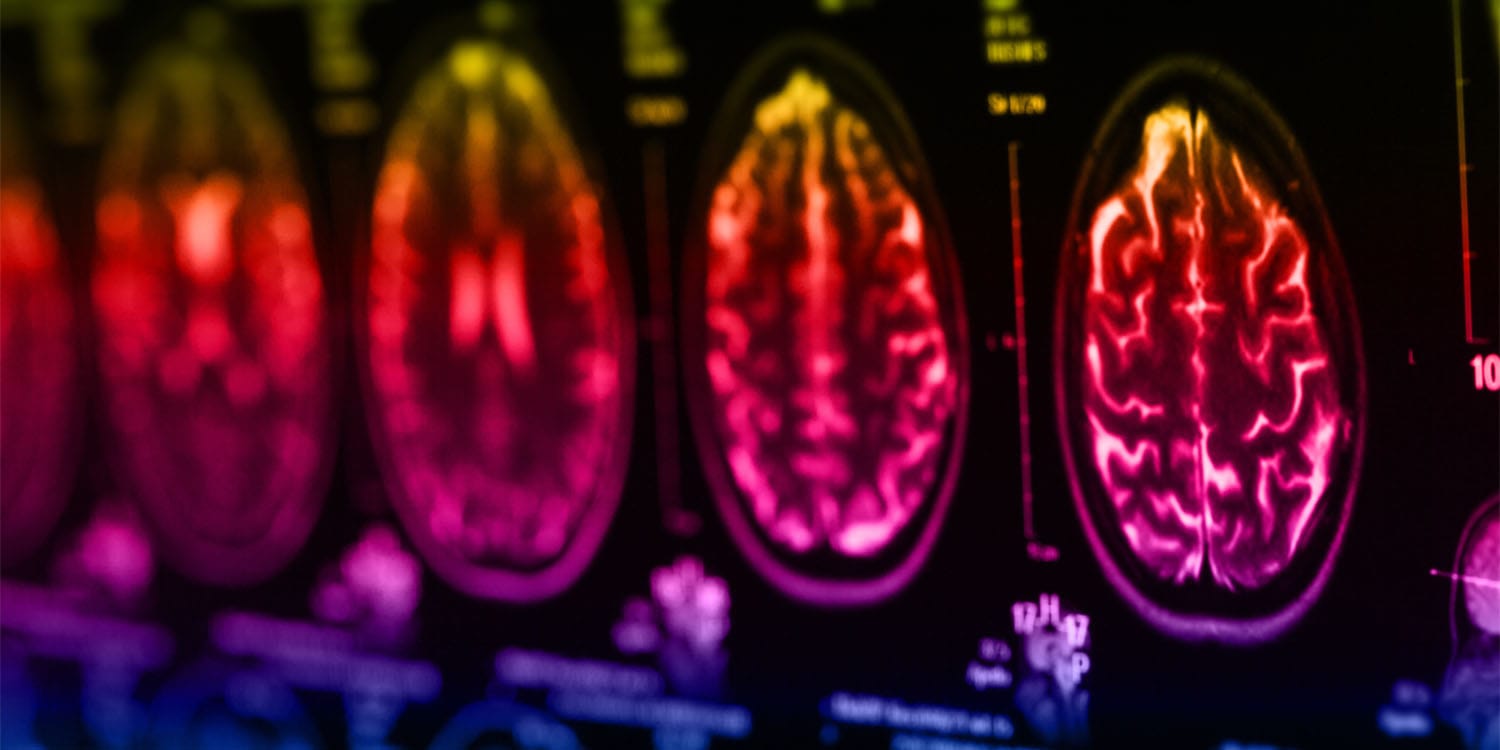
A groundbreaking study published in the journal Neurology has revealed that artificial intelligence algorithms can accurately classify individuals with migraines without relying on data about their head pain. This finding challenges the conventional understanding of migraine as a single condition, suggesting instead that it exists on a spectrum of distinct biological and clinical subtypes.
The research, led by Antonios Danelakis from the Norwegian University of Science and Technology, analyzed data from the extensive Trøndelag Health Study in Norway. The study involved 43,197 participants who provided genetic samples and completed health surveys. Researchers built predictive machine learning models to differentiate migraine sufferers from healthy controls, using clinical data such as sleep patterns, cardiovascular health, mental health, socioeconomic status, and medication use, while excluding information about the participants' actual headaches.
The models trained on one group and tested on another demonstrated high accuracy in identifying migraine sufferers. The key predictive factors included age, biological sex, neck pain, and nausea, with sleepiness, blood pressure variations, and mental health status also playing significant roles. Adding genetic data to the clinical information provided only a small improvement in accuracy, indicating that comprehensive clinical data already captures the physical manifestations of genetic risk.
In a subsequent phase of the study, the researchers employed unsupervised machine learning models to analyze a separate group of 12,185 individuals who reported headaches. These models identified two main clusters. The first cluster, containing 1,425 individuals, met the official criteria for migraine diagnosis, while the second cluster, comprising 10,760 people, included those with non-migraine headaches.
Further subclustering within the migraine group based on general health features revealed four distinct subtypes of migraine sufferers.
One subtype was exclusively male, while the second subtype was characterized by prominent neck pain and the absence of general stomach symptoms. These findings suggest that artificial intelligence can naturally distinguish migraine sufferers from other headache patients by analyzing a wide range of biological and lifestyle markers, offering a more nuanced understanding of this common neurological condition.
Written by urgent.news from PsyPost's reporting — not their text. Machine-written — may contain errors; check the original before relying on it.