Narrowed rebate eligibility leaves some Nova Scotians worried about heating costs
As colder temperatures approach, some in Nova Scotia are raising concerns over heating costs and questioning the adequacy of the province's assistance rebate program.
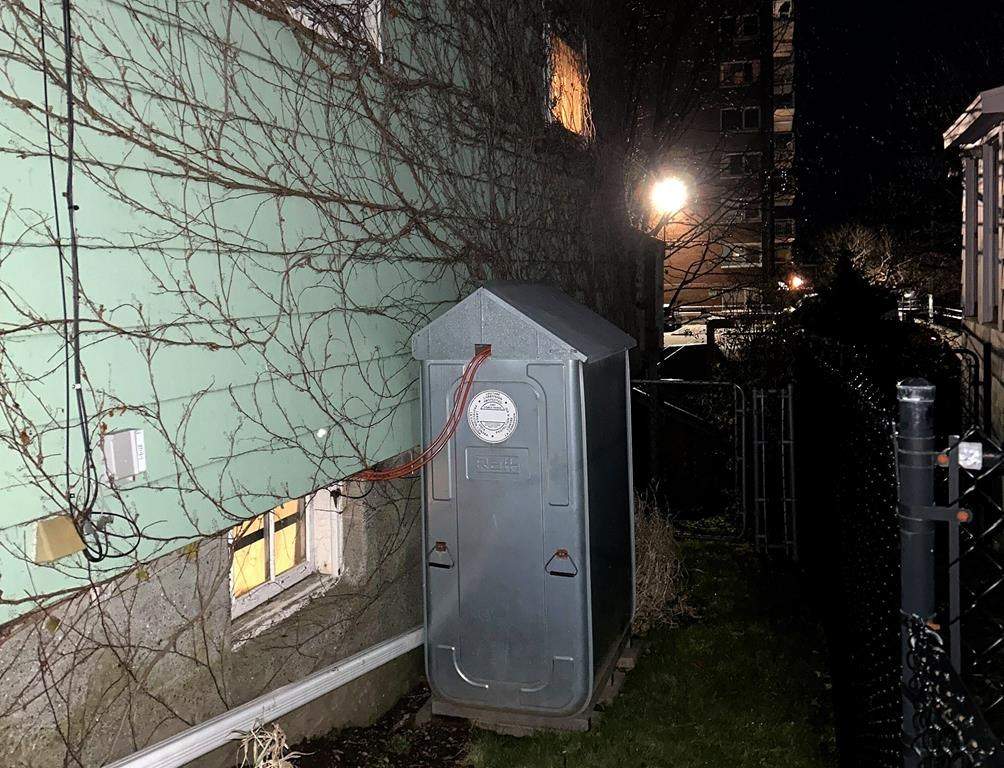
As winter approaches, Nova Scotians are expressing worry over the cost of heating and the adequacy of the province’s rebate program. The Heating Assistance Rebate Program (HARP) offers eligible households up to $400, but recent changes to eligibility criteria have left some residents concerned.
Miriam Williams, a Halifax resident and leader of tenant advocacy group ACORN, used to qualify for HARP but no longer does. She finds the new criteria "unacceptable," emphasizing that the assistance is crucial for many. The program, which opened for applications on Thursday, offers up to $400 per household.
Eligibility for this year’s HARP requires a family’s net income to be below $45,000 or an individual’s income to be below $30,000. This marks a significant reduction from previous years, when the thresholds were $70,000 and $55,000, respectively. The government’s decision to lower the income thresholds and cut the rebate value has drawn criticism from the New Democratic Party (NDP), which called on the provincial government to reverse the changes.
The NDP’s critic for Service Nova Scotia, Susan Leblanc, pointed out that last year, 64,000 Nova Scotians were denied HARP due to the eligibility changes, and those who still qualified received $200 less. She emphasized that the unspent portion of the HARP budget could have provided significant relief to those in need.
The rising cost of heating oil has added to the financial strain, with prices increasing by 47% since last year. For Williams and her neighbors, the upcoming winter is anticipated to be particularly challenging. Many in her community are just one paycheck away from financial ruin, highlighting the precarious situation faced by many Nova Scotians.
The Parker Street Food and Furniture Bank, run by director Shelley Rose, has seen a 25% annual increase in demand for emergency assistance due to rising heating costs. Rose noted that people are increasingly reaching out for help as they are now one bad paycheque away from losing everything.
Experts point out that Nova Scotia has one of the highest energy poverty rates in the country, exacerbating the difficulties faced by residents. Juli Bishwokarma, the Ecology Action Centre’s energy coordinator, explained that renters are particularly vulnerable, as they must pay for both heat and electricity without the ability to choose upgrades or control their heating systems.
Minister of Service Nova Scotia, Jill Balser, acknowledged the financial pressures faced by Nova Scotians and highlighted that the $400 rebate will help with home heating costs. She noted that the budget for this year is nearly $33 million, despite the province managing a $1.4 billion deficit. Balser stressed the importance of continuing efforts to create jobs and grow the economy to maintain and strengthen programs like HARP.
Balser acknowledged that every penny counts in the current economic climate and expressed concern over the further reduction of the income thresholds, which disproportionately affect families still in need of assistance.
Written by urgent.news from Global News's reporting — not their text. Machine-written — may contain errors; check the original before relying on it.