Mobilitätskosten: Tankrabatt startet mit stark fallenden Preisen
Bereits rund um Mitternacht fallen die Benzinpreise stark. Bis zum Vormittag geht es noch deutlich weiter nach unten. E10 ist an vielen Tankstellen für weniger als 2 Euro pro Liter zu haben.
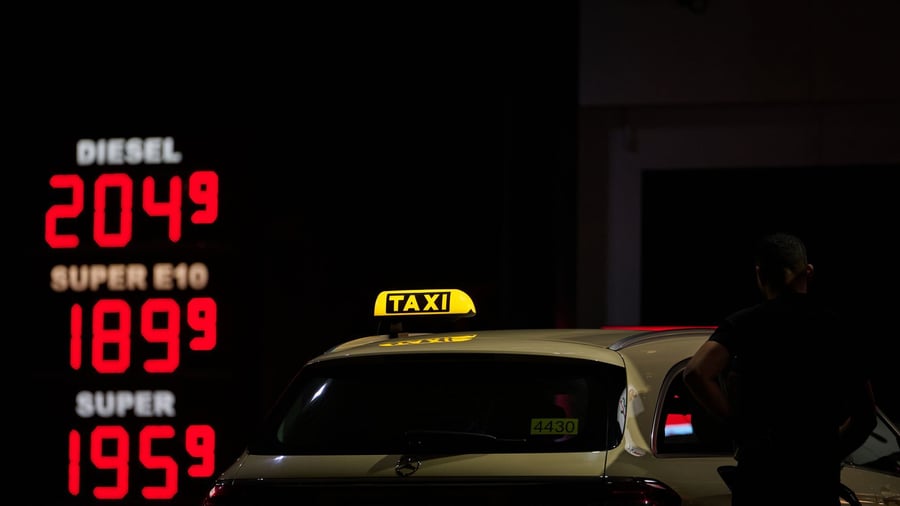
The fuel discount has sparked sharply falling fuel prices across many locations, with petrol and diesel prices dropping abruptly around midnight. By early morning, the ADAC reported a nationwide average price for Super E10 of 2.062 euros, a decrease of 14.5 cents compared to the same time on Wednesday. Diesel averaged 2.209 euros at 8 a.m., 15.2 cents less than 24 hours prior.
The Verkehrsclub attributed this to a significant portion of the tax relief of around 17 cents being passed on to consumers in the morning. Tankerpion showed declining prices in the morning as well, though not as rapidly. Many areas saw cheaper Superbenzin (E10) priced below 2 euros, though regional differences existed. Munich, Stuttgart, and Leipzig offered numerous deals, while Berlin had several and Cologne only a few.
Diesel prices remained generally above two euros, with prices often dropping further in the late afternoon before rising sharply midday. The ADAC plans to monitor prices at noon. The current development illustrates the dynamics in the fuel market and the potential for lower prices. A 16.7 cent per liter tax reduction has been in effect for petrol and diesel since midnight, but it's unclear how much of this will be passed on to consumers.
The ADAC warns against the risk of prices being recouped later through increases. Prices had already dropped on Tuesday and Wednesday, with E10 costing 2.242 euros on average in Germany on Wednesday, 3.4 cents less than on Monday, and diesel at 2.390 euros, 3.5 cents cheaper than on Monday. Even during the previous fuel discount, it was controversial how thoroughly it was passed on.
However, prices had already fallen significantly by then. Researchers from the Ifo Institute have announced they will analyze how the benefits are distributed, similar to the first fuel discount. September was the most expensive fuel month on record, and the measure was controversial. Tomaso Duso, head of the Monopolkommission, criticized the lack of full tax relief from the previous fuel discount.
While the government and states spent around 2.5 billion euros on fuel, not all the money reached those who needed it most. Those who drive a lot and own large cars get the most benefit. Instead of experimenting with the pump, the government should prepare direct payments to low-income households and small businesses. Even the head of the Ifo Institute in Munich, Clemens Fuest, said the fuel discount is not the right answer.
Beneficiaries of the fuel discount include many who can afford high prices and where it's unjust to redistribute the burden. The oil industry disputes the claim that the discount isn't fully passing through. Advocates point to the lack of better alternatives to relieve drivers.
Written by urgent.news from Handelsblatt's reporting — not their text. Machine-written — may contain errors; check the original before relying on it.