Mexican cartels target Australia with African-made meth
THE Mexican “tourists” told immigration officers in Johannesburg they had come to see the “Big Five” of South Africa’s game parks — the elephants, rhinos, lions, leopards and buffaloes that draw millions every year.
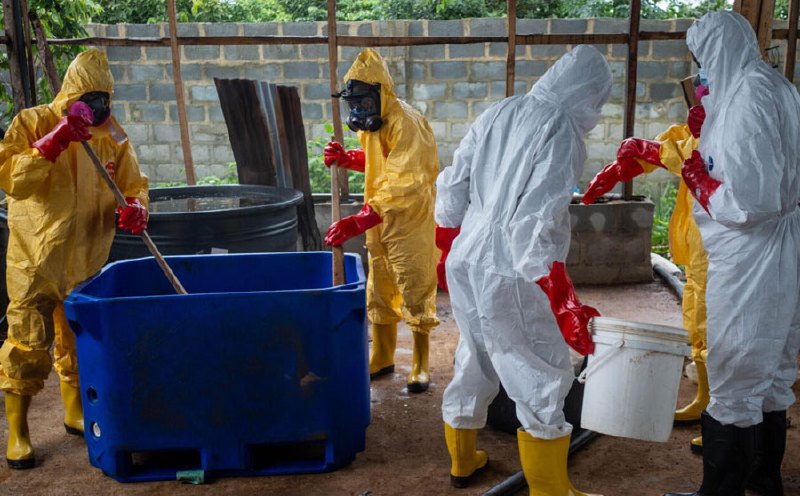
Tourists in South Africa were actually Mexican chemists from the Sinaloa cartel, who were attempting to establish an industrial-scale methamphetamine laboratory near Swartruggens, according to police. This is one of at least seven such labs discovered across southern Africa in the past two years. The Sinaloa cartel is supplying Australia and New Zealand, the most lucrative meth markets, where prices are 65 to 100 times higher than in the United States.
A seizure in January revealed that drug not only being smuggled in by sea, as a woman was arrested at Sydney airport with 39kg of powdered meth in her bags. Australian and New Zealand police have previously linked local chapters of the Comancheros biker gangs to the Sinaloa cartel's drug supply. The cartel's modus operandi is being observed in Nigeria, where four Mexicans were arrested in recent busts of meth labs.
However, the numbers of arrests in South Africa far exceed those in Nigeria, with 16 Mexicans apprehended in raids on labs since 2024. The cartel utilizes the P2P method, which involves phenyl-2-propanone and chemicals imported from China and India. Police are investigating whether the methamphetamine seized in Australia originated from the Swartruggens lab, as it passed through the port of Durban.
A concerning pattern is emerging in Nigeria, where meth labs suspected of being linked to the Sinaloa and Jalisco New Generation cartels have reappeared after being thought to have been eradicated a decade ago. Authorities are increasingly concerned about the expansion of the cartels beyond their main stronghold in Mexico, citing the region's suitability as an operating environment for the Mexicans due to their capacity to corrupt individuals.
Authorities in Mozambique have also captured two Mexicans at Maputo airport, and a large quantity of meth-making chemicals was subsequently discovered at their suspected local accomplice's home. The production and transit of synthetic drugs in Africa is not only fueling consumption in the region but also raising concerns among authorities across Africa, as middlemen are often paid in drugs instead of cash and must subsequently sell the product in local markets.
Written by urgent.news from New Straits Times's reporting — not their text. Machine-written — may contain errors; check the original before relying on it.