MACC to take six anti-graft proposals before national governance committee
PUTRAJAYA, Oct 1 — Six resolutions adopted at the Fifth National Research Conference on Governance, Integrity and...
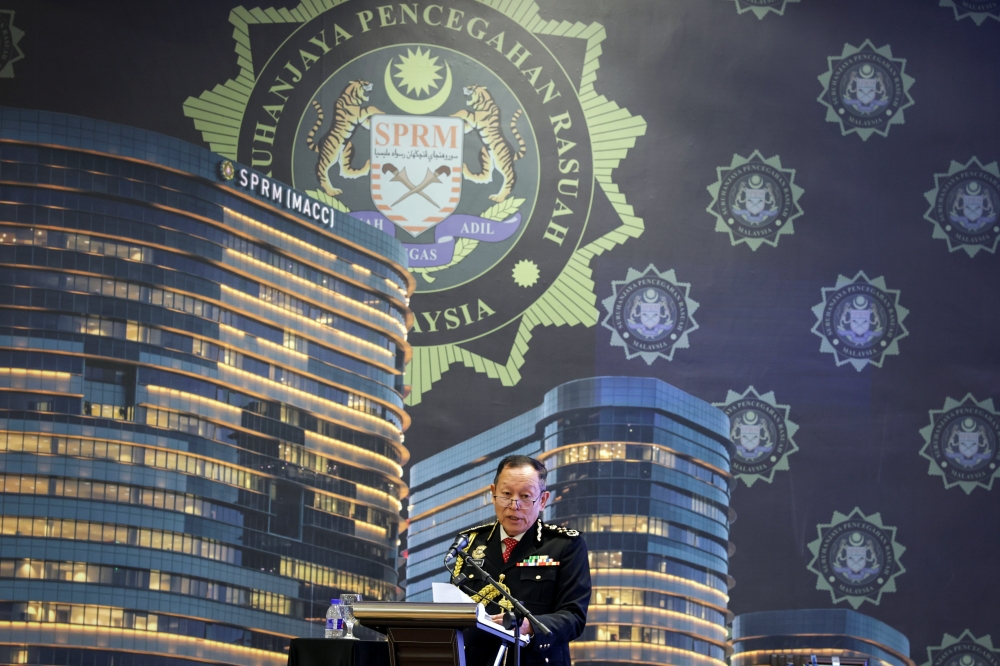
PUTRAJAYA, Oct 1 — Six anti-graft resolutions adopted at the Fifth National Research Conference on Governance, Integrity and Anti-Corruption (TIAR) 2026 will be presented to the Special Cabinet Committee on National Governance (JKKTN) for consideration at its next meeting, according to Malaysian Anti-Corruption Commission (MACC) Chief Commissioner Datuk Seri Abd Halim Aman.
Speaking at the MACC’s 59th anniversary celebration and monthly assembly, Mr. Aman emphasized that the objective was to ensure these resolutions were transformed into tangible improvements in the system, especially in strengthening corruption prevention measures rather than remaining mere conference outcomes. He highlighted one resolution pertaining to the creation of an integrated National Grant Governance Framework (KTGGN) and another set aimed at developing Government Procurement Regulations (Public-Private Partnerships) within the legal framework to bolster the management of government concessions.
Moreover, Mr. Aman mentioned plans to enhance the eCOSS ecosystem through smart data integration to monitor cooking oil transactions. The submission of these resolutions to the JKKTN is consistent with MACC’s strategy of a more proactive, targeted, and risk-based approach to corruption prevention. The JKKTN, which is chaired by Prime Minister Datuk Seri Anwar Ibrahim, convenes three times a year.
However, Mr. Aman noted that the committee could not table the six resolutions during their meeting today as the TIAR conference concluded only last Friday, indicating that the resolutions might be addressed at the committee’s subsequent meeting. In a related context, Abd Halim reiterated that corruption prevention efforts should be grounded in investigation findings, data, and risk analysis to uncover potential areas where corrupt practices might thrive.
He further advocated for the empowerment of Integrity Units as strategic partners to management, aiming to address systemic weaknesses and pinpoint risks to prevent regulatory breaches at an early stage. Earlier in his remarks, Abd Halim stressed that MACC’s efforts extend beyond addressing offenses post-commitment; instead, a stronger emphasis must be placed on prevention through a risk-based approach implemented earlier.
Written by urgent.news from Malay Mail's reporting — not their text. Machine-written — may contain errors; check the original before relying on it.