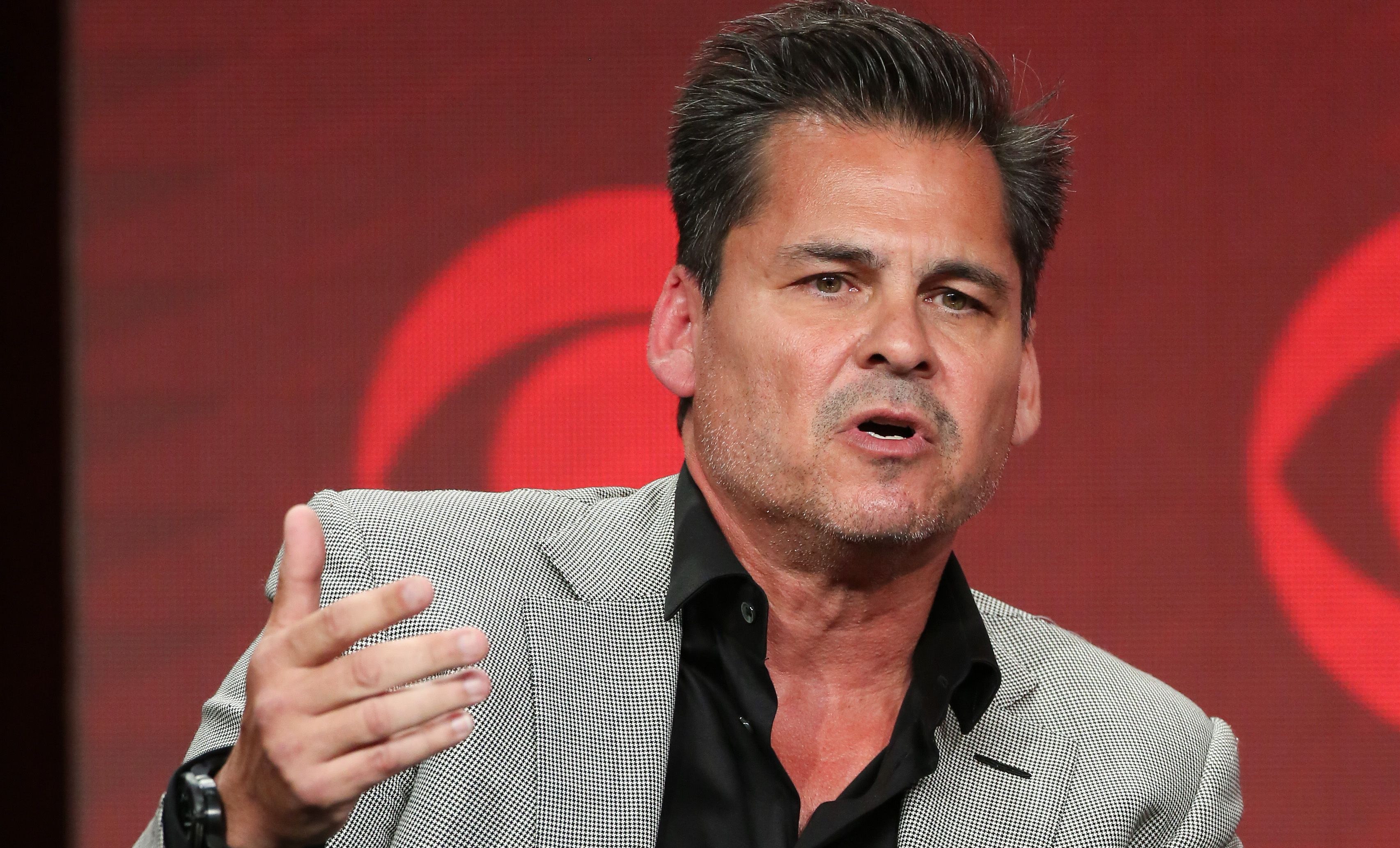
Lethal Injections Are Getting Worse
States refuse to admit the method has failed.
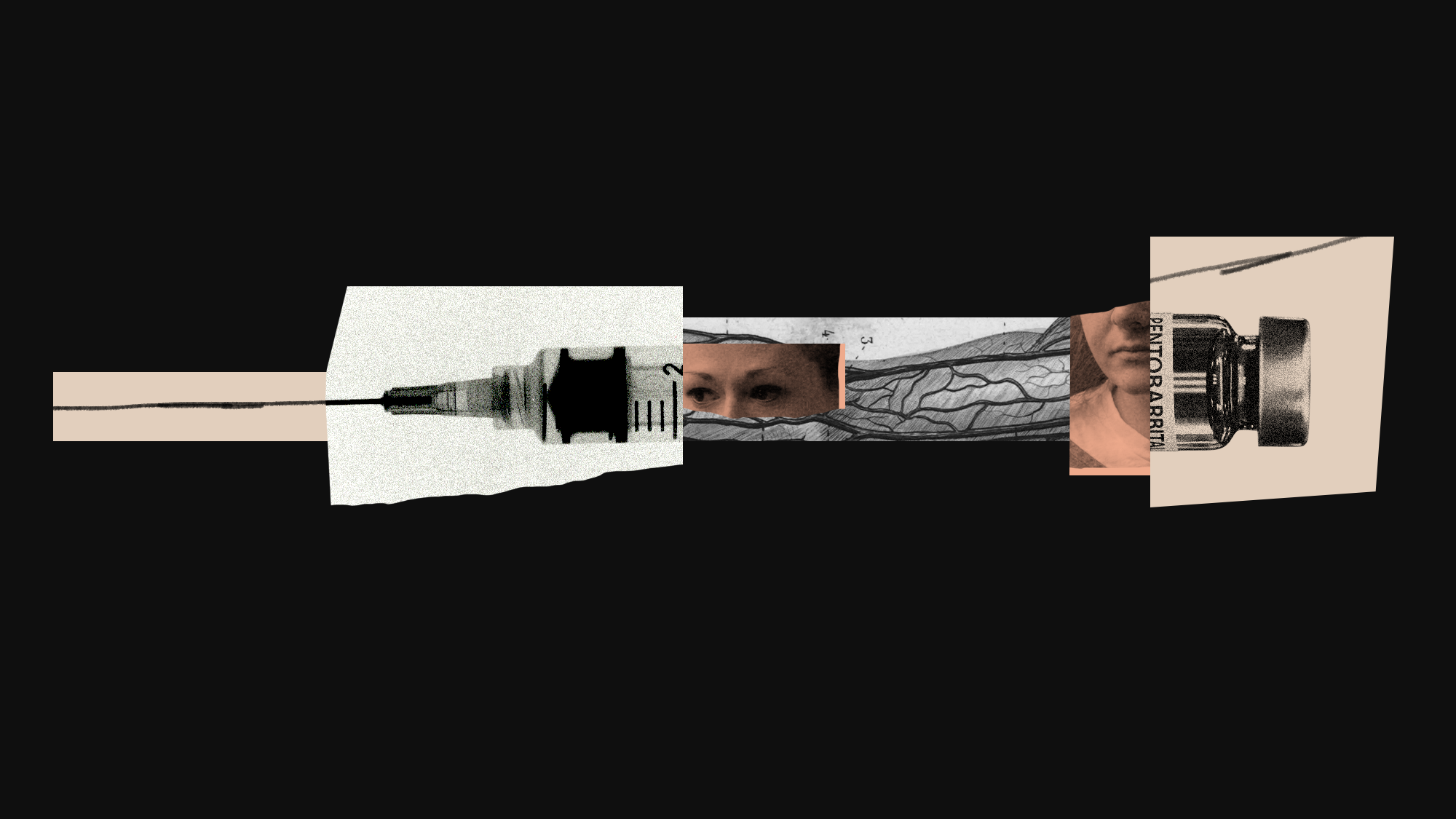
Last night, Tennessee lifted a temporary stay on the execution of Christa Pike, a woman convicted of murdering a classmate two decades ago when she was just 18 years old. After spending 30 years on death row, Pike was strapped to a gurney in the state's death chamber for lethal injection. As the staff began administering the single drug used in Tennessee executions, a barbiturate called pentobarbital, she reported a burning sensation and felt as though her arm might burst open.
Despite her distress, Pike remained conscious, prompting prison officials to close and reopen the curtains several times before concluding the execution just before 9 p.m. Pike was then transferred to a nearby hospital for medical care.
This incident is not an isolated case. In May, Tony Carruthers' execution in Nashville went awry, with needles piercing his skin and a scalpel slicing him open before the procedure was halted. Both Pike's and Carruthers' executions are part of a growing trend of botched lethal injections in recent years. In 2022, the Death Penalty Information Center found that 35% of all executions that year were flawed.
For over four decades, lethal injections have been America's primary method of execution, yet they remain scientifically unsound, frequently painful, and unreliable. As the odds of a botched procedure increase, the justification for using lethal injections as a more humane alternative to other methods becomes increasingly questionable.
Written by urgent.news from The Atlantic's reporting — not their text. Machine-written — may contain errors; check the original before relying on it.