Künstliche Intelligenz: Muse und Dots im Vergleich: Was können die KI-Agenten von Meta und OpenAI?
Die KI‑Assistenten arbeiten rund um die Uhr und kennen ihre Nutzer besonders gut. In der EU sind sie eingeschränkt verfügbar. Das Handelsblatt hat mit ersten Testern gesprochen.
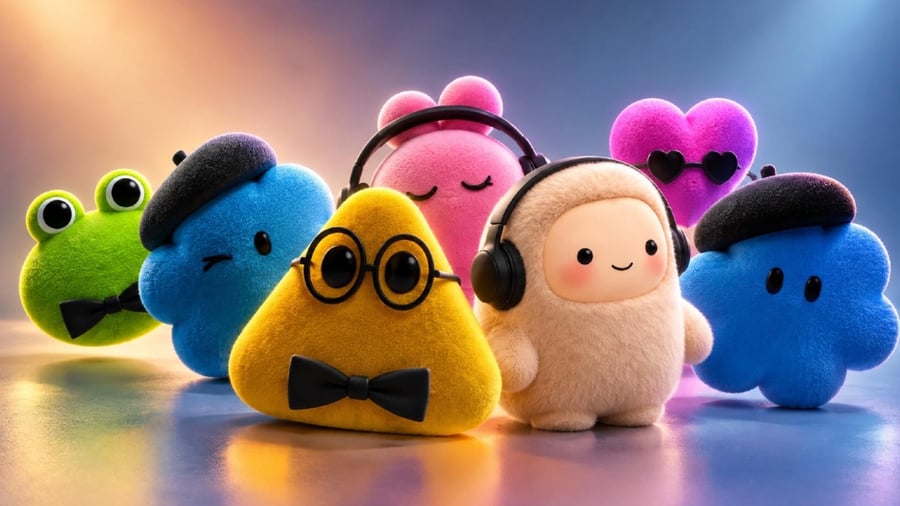
Berlin – Artificial Intelligence (AI) emerges as an alluring, ethereal phenomenon, boasting mysterious black button eyes, at least according to Meta and OpenAI. In September, the AI providers unveiled their personal AI assistants. Despite their cute and cuddly appearance, the promises are substantial: these AI agents are meant to be available round-the-clock for their users.
Mark Zuckerberg, chief of Meta, describes Muse as a "competent personal assistant" who understands users' goals and works "around the clock in their name." OpenAI's Sam Altman envisions AI as something "magical" that can "do things for you without needing to ask."
However, can these AI agents truly deliver on their promises? Neither OpenAI's Dots nor Meta's Muse are currently available to private individuals in Europe. Some early testers in Germany have, however, had the opportunity to try both AI agents. The Handelsblatt interviewed individuals who had already tested the two AI assistants.
Written by urgent.news from Handelsblatt's reporting — not their text. Machine-written — may contain errors; check the original before relying on it.
This story
This is one outlet's version. Read the fullest account.